Botox for Crow's Feet in Dubai: Practical Treatment Strategies & Safety Checklist
-
- March 09th, 2026
- 1,203 views

FREE SEO Topical Map Generator: Find Your Next Content Ideas
Detected intent: Commercial Investigation
Botox for crow's feet in Dubai: what this guide covers
This guide explains how Botox for crow's feet in Dubai is commonly performed, who qualifies, clinic-level considerations, and how to evaluate safety and cost. It clarifies techniques, recovery expectations, and a practical checklist for choosing a clinic or treatment plan.
- Botox (onabotulinumtoxinA) temporarily relaxes the orbicularis oculi muscle to soften lateral eye lines.
- Typical effects appear in 3–7 days and last 3–4 months; dosing and injection points are tailored per patient.
- Use the SAFE Botox Checklist (screening, anatomic mapping, focused dosing, aftercare, follow-up) before booking.
- Compare clinics on injector training, patient photos, safety protocols, and transparent pricing.
Who is a candidate and pre-treatment considerations
Clinical candidacy
Good candidates have dynamic lateral canthal lines that appear with smiling or squinting, realistic expectations, and no contraindicating neuromuscular conditions. A medical history review should check for pregnancy, breastfeeding, active infection around the eyes, or hypersensitivity to botulinum toxin components.
Consultation checklist
During the consultation the injector should assess facial anatomy, skin quality, previous treatments (fillers, surgery), and dynamic movement. Discuss desired look — subtle softening versus broader smoothing — and document baseline photos.
Treatment strategies and techniques
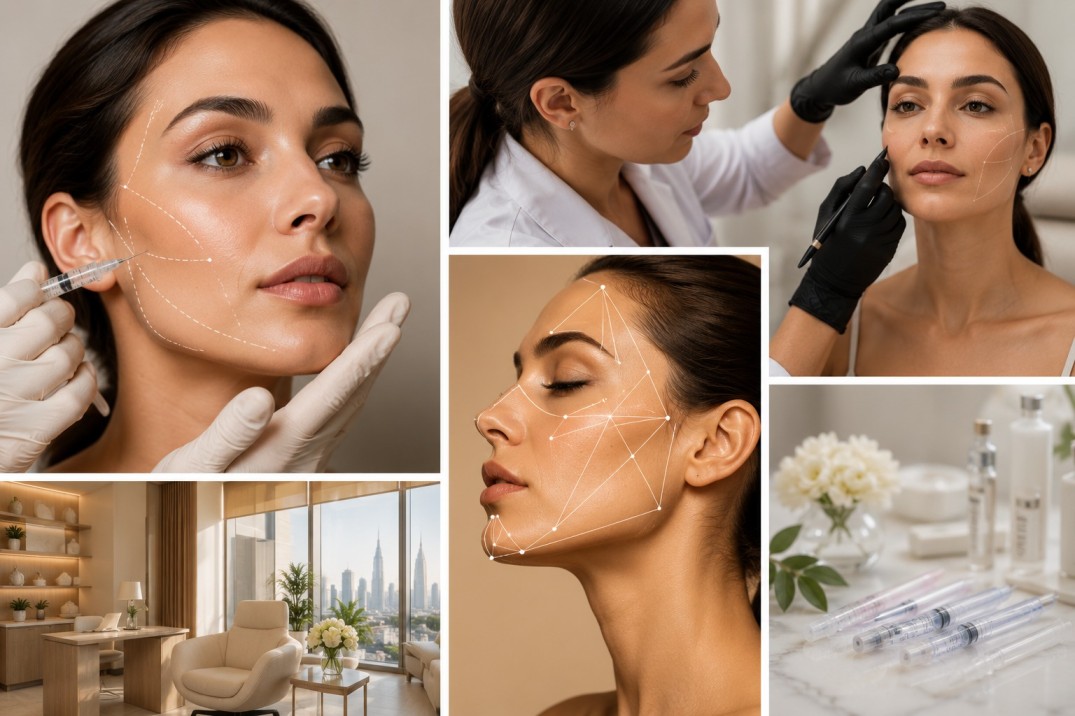
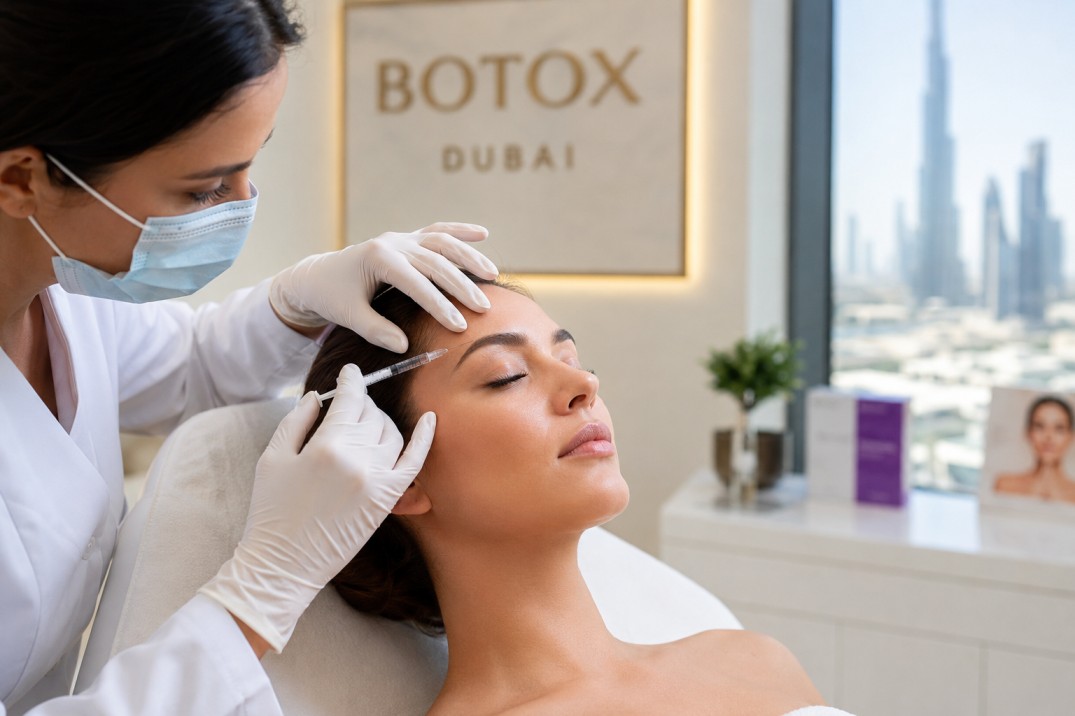
Injection strategy varies by muscle pattern. Typical approaches include 2–6 small injections per side placed lateral to the orbital rim to reduce crow's feet while preserving eye closure and expression. Lower doses and conservative placement reduce risk of eyelid heaviness or asymmetry.
Common techniques
- Micro-dosing: smaller units split across more sites to avoid concentrated weakness.
- Tailored placement: mapping orbicularis oculi fibres during animation identifies optimal points.
- Combination treatments: light skin resurfacing or topical peptides for texture alongside periorbital Botox can enhance results.
SAFE Botox Checklist (named framework)
Use the SAFE Botox Checklist before treatment to reduce complications and set clear expectations.
- Screening: medical history, medications, allergies, pregnancy/breastfeeding status.
- Anatomic mapping: mark dynamic lines and plan injection points during animation.
- Focused dosing: start conservative; document units and serial numbers of vials.
- Explain aftercare & follow-up: activity restrictions, signs of complications, and timeline for effect.
Practical example: real-world scenario
Scenario: A 45-year-old professional seeks to reduce crow's feet that appear when smiling. After screening, the injector maps three injection points per side and administers 4–6 units per side using micro-doses. Results begin at day 4, peak at 2 weeks, and are documented with follow-up photos at 2 weeks. Patient reports natural expression and no eyelid heaviness.
Costs, clinic selection, and regulatory notes
Costs in Dubai vary by injector experience and clinic location. Transparent clinics list per-unit pricing, treatment packages, and post-care policies. Confirm the injector’s credentials and whether the product is supplied with traceable batch information. Local regulation references include the Dubai Health Authority and UAE Ministry of Health for licensing standards; internationally, the FDA provides safety information on botulinum toxins (see resource below).
FDA: Botox Cosmetic safety information
Practical tips for patients
- Ask to see before-and-after photos of patients with similar anatomy and age.
- Confirm injector qualifications (dermatologist, plastic surgeon, or trained aesthetic physician) and ask about complication protocols.
- Start conservatively: conservative initial dosing reduces risk of asymmetry and can be adjusted at follow-up.
- Plan timing: schedule at least two weeks before important events to ensure settling and assessment.
Trade-offs and common mistakes
Trade-offs
Stronger dosing smooths lines more but increases risk of impaired eye closure or unnatural expression. Micro-dosing preserves movement but may require earlier retreatment. Combining Botox with other aesthetic procedures can improve texture but complicates recovery and assessment of each modality's effect.
Common mistakes
- Choosing clinics solely on price without verifying injector training or safety protocols.
- Over-treating on the first session, leading to frozen or heavy eyelids.
- Failing to disclose neuromuscular disorders or certain medications (e.g., aminoglycoside antibiotics) that can affect safety.
Core cluster questions (use for related content)
- How long does Botox for crow's feet last and when should retreatment be scheduled?
- What are the side effects of periorbital Botox and how are they managed?
- How do injector qualifications affect outcomes for crow's feet treatment?
- When should fillers be considered alongside Botox for the eye area?
- What pre- and post-treatment steps reduce bruising and swelling after periorbital injections?
Frequently asked questions
Is Botox for crow's feet in Dubai safe?
When administered by a licensed medical professional with appropriate screening and dosing, Botox for crow's feet is generally considered safe. Safety depends on injector training, accurate dosing, and clear aftercare instructions. Confirm clinic licensing and review documented safety procedures.
How soon will results appear and how long do they last?
Initial softening typically appears within 3–7 days, with peak effect around 2 weeks. Most patients experience improvement for about 3–4 months; individual metabolism and dosing can shorten or lengthen this window.
Will Botox affect my ability to smile or close my eyes?
Conservative placement and micro-dosing aim to preserve natural expression and eyelid function. Over-treatment or improper placement can cause temporary eyelid heaviness or reduced eye closure; these effects usually resolve as the toxin wears off.
Can Botox be combined with other treatments for crow's feet?
Yes. Non-invasive skin treatments like chemical peels, laser resurfacing, or topical retinoids may be combined to improve skin texture. Coordinate timing with the provider so each treatment's effects can be evaluated safely.
How to choose between clinics offering crow's feet treatment in Dubai?
Evaluate injector credentials, documented before-and-after photos, transparent pricing, a clear consent process, and an out-of-hours complication plan. Prefer clinics that provide written treatment records and a scheduled follow-up to assess results.