Botox Effectiveness in Dubai: Outcomes, Safety and Trends
-

- February 23rd, 2026
- 1,341 views
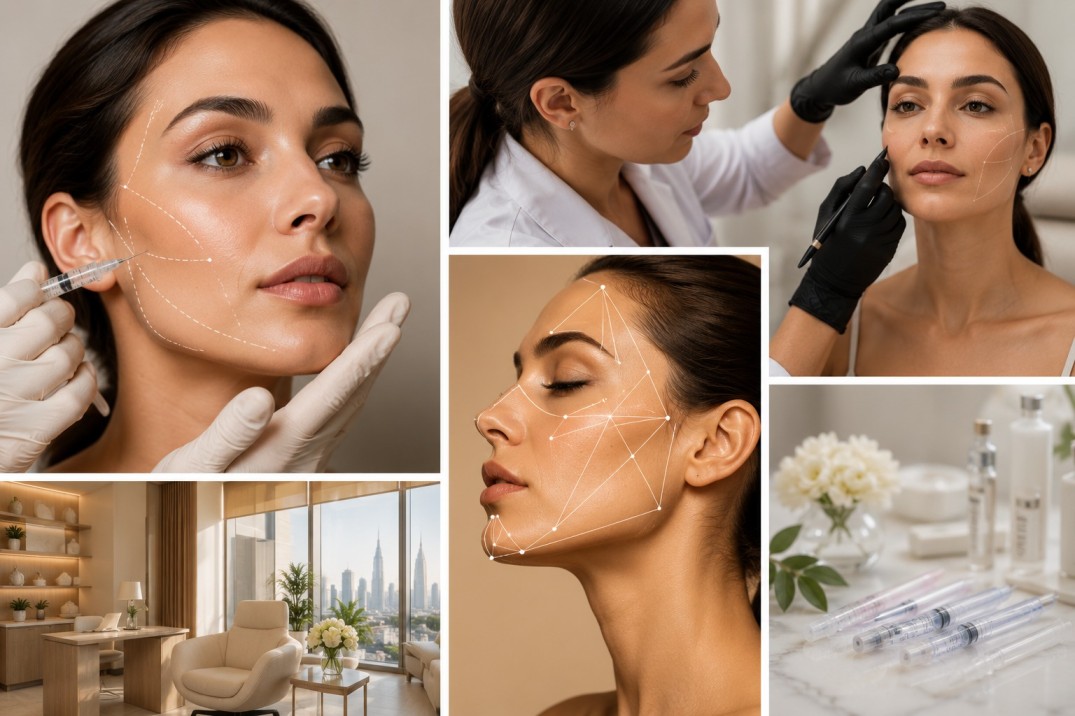
Botox effectiveness in Dubai is a frequent topic for residents and medical tourists exploring cosmetic and therapeutic options. This article summarizes published findings, clinic-reported outcomes, regulatory context, safety considerations, and practical factors affecting results in the local market.
- Botox (botulinum toxin) is used in Dubai both for cosmetic wrinkle reduction and for several medical indications.
- Effectiveness depends on indication, injector skill, dosing, and patient selection.
- Dubai Health Authority and national regulators oversee licensing, while international bodies such as the U.S. FDA provide safety guidance.
- Common patient experiences: visible improvement in dynamic wrinkles for 3–6 months; variable outcomes for off-label uses.
- Choosing accredited clinics and experienced practitioners reduces risk and improves predictability.
Botox effectiveness in Dubai: clinical uses and typical outcomes
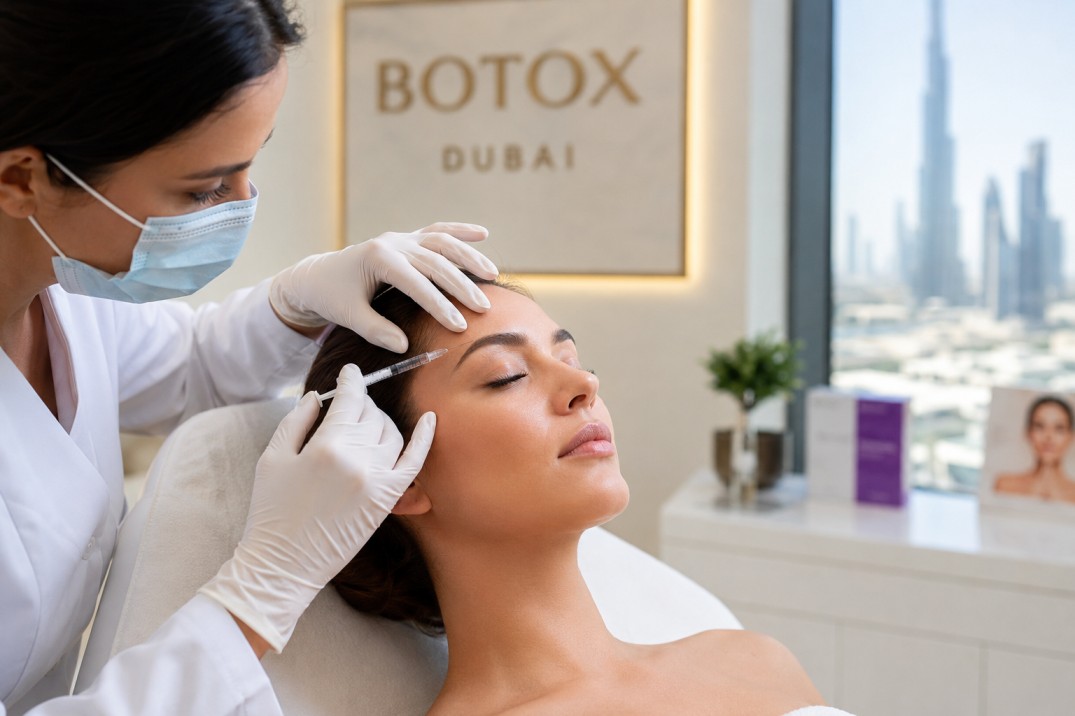
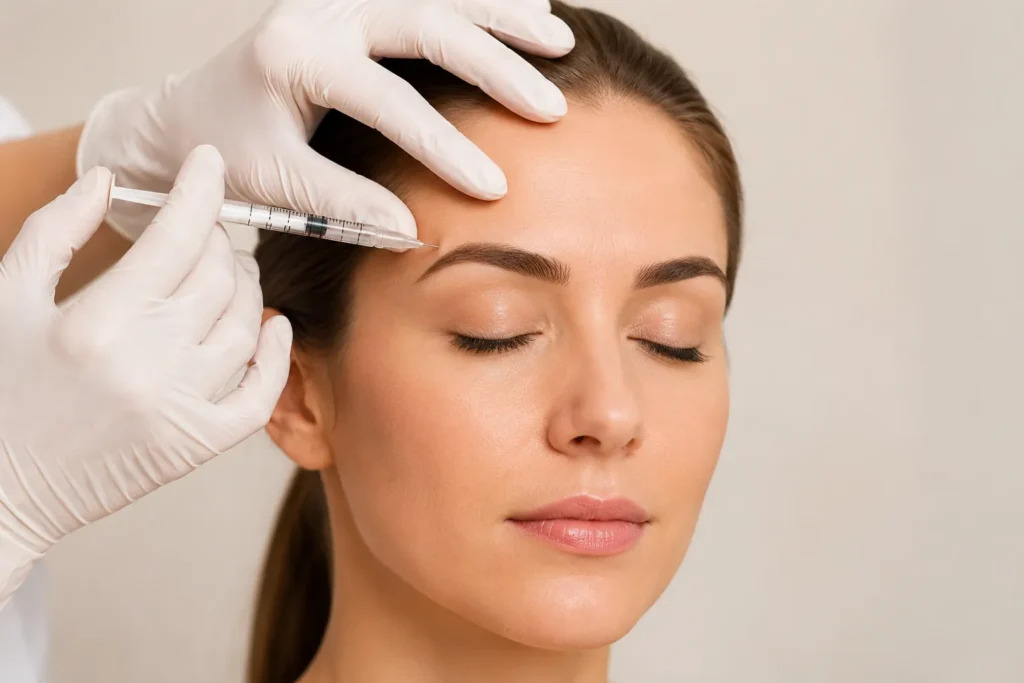
Clinics in Dubai report using botulinum toxin for cosmetic indications—most commonly glabellar lines, crow's feet, and forehead lines—and for therapeutic purposes such as chronic migraine, hyperhidrosis (excess sweating), and certain muscle spasticity disorders. For cosmetic uses, the typical outcome is a measurable reduction in dynamic wrinkles within 3–7 days, peaking around two weeks and lasting roughly 3–6 months depending on dose and individual metabolism.
Cosmetic results and patient factors
Effectiveness for reducing dynamic facial wrinkles is generally high when treatment is performed by qualified clinicians. Variables that affect results include injection technique, precise muscle targeting, product dilution and dose, prior treatment history, skin quality, and patient expectations. Repeat treatments may require dose adjustments to maintain results or address muscle changes over time.
Medical indications and variability
For approved medical indications—such as chronic migraine and severe primary axillary hyperhidrosis—controlled trials have demonstrated benefit, but individual response can vary. In Dubai, outcomes align with international reports: meaningful symptom reduction for many patients but not universal effectiveness. Off-label applications exist but have less consistent evidence and should be discussed with a licensed specialist.
Safety, regulation, and clinic standards in Dubai
Regulatory framework
Healthcare regulators in the United Arab Emirates, including the Dubai Health Authority (DHA) and the federal Ministry of Health and Prevention, set licensing requirements for clinics and practitioners offering injectable cosmetic treatments. These requirements cover facility standards, practitioner credentials, and pharmacovigilance reporting.
Adverse effects and risk mitigation
Common, transient side effects include localized bruising, swelling, and temporary weakness of nearby muscles. Rare but more serious complications—such as infection, unintended spread of toxin causing dysphagia or breathing difficulty, or allergic reactions—underscore the importance of treatment in accredited settings. Pre-procedure assessment, sterile technique, correct dosing, and post-treatment instructions reduce risks. Guidance from regulatory authorities and professional societies provides baseline safety practices.
For authoritative safety information on botulinum toxin products, consult public health resources such as the U.S. Food and Drug Administration: FDA consumer update on botulinum toxin.
Local trends: patient demographics, costs, and market dynamics
Who seeks treatment in Dubai
Patients in Dubai include local residents and international visitors. Popular demographics for cosmetic injections often span adults in their late 20s to 60s, with a concentration in the 30s and 40s age groups seeking preventive or corrective care. Medical tourism plays a role, with some visitors combining procedures with travel.
Cost and access considerations
Prices vary by clinic, practitioner experience, and dose. Many clinics offer package pricing for combined treatments. Insurance coverage for therapeutic uses depends on the specific indication and insurer policies; cosmetic procedures are typically out-of-pocket expenses.
How to evaluate effectiveness and choose a provider
Questions to ask before treatment
- Is the practitioner licensed by the DHA or the relevant UAE health authority?
- What experience does the clinician have with the intended indication?
- Are before-and-after photos and peer-reviewed outcome summaries available?
- What are the expected duration of effect and follow-up policies?
Setting realistic expectations
Effectiveness should be defined by measurable improvement in the target sign or symptom and by patient satisfaction. Clear pre-procedure communication about likely outcomes, timelines for onset and duration, and the possibility of needing touch-ups helps align expectations with typical clinical results.
Documentation and follow-up
Proper documentation of dose, injection sites, and lot numbers supports continuity of care and any pharmacovigilance reporting if adverse events occur. Regular follow-up enables dose optimization and early identification of complications.
Evidence gaps and research directions
Published literature supports many approved uses of botulinum toxin, but real-world registry data from Dubai remain limited in publicly available form. Continued collection of local outcome data, adverse event reporting to regulators, and collaboration with academic centers would improve understanding of long-term effectiveness, optimal dosing strategies for diverse populations, and comparative outcomes across clinics.
Role of professional guidelines
Clinical practice guidelines from international professional societies and national regulators provide a framework for evidence-based use. Practitioners are encouraged to follow these guidelines and participate in continuing education to maintain competence in injection techniques and safety management.
FAQs
How long does Botox effectiveness in Dubai typically last?
Duration for cosmetic indications is usually 3–6 months, with variation by dose, muscle activity, and individual metabolism. For some therapeutic uses, follow-up intervals are established by clinical guidelines and may differ.
Is Botox treatment regulated in Dubai?
Yes. Clinics and practitioners must comply with Dubai Health Authority and UAE Ministry of Health regulations concerning licensing, facility standards, and reporting. Patients are advised to confirm practitioner credentials and clinic accreditation.
What are common side effects to expect?
Common side effects include mild bruising, transient swelling, and temporary localized muscle weakness. Serious adverse events are uncommon but require immediate medical attention.
Can outcomes be improved with repeat treatments?
Some patients achieve more consistent results after a series of treatments as dosing and technique are optimized. Regular follow-up enables individualized adjustments and better long-term planning.
Where can objective information about botulinum toxin safety be found?
Trusted sources include national health regulators and international agencies that publish safety communications and guidance for clinicians. The FDA provides consumer-facing updates and safety information relevant to botulinum toxin products.
Note: This article summarizes general information and trends. It does not replace professional medical consultation. For individual advice about indications or risks, consult a licensed healthcare provider in the UAE.