How Botox Can Improve Self-Confidence in Dubai: Key Facts and Considerations
-

- February 23rd, 2026
- 1,854 views

FREE SEO Topical Map Generator: Find Your Next Content Ideas
Botox and self-confidence are often linked when people consider cosmetic injectables as a way to refresh their appearance. In Dubai, where medical tourism and aesthetic services are widely available, understanding how Botox works, what outcomes to expect, and how local regulation affects safety can help residents and visitors make informed choices.
Botox and self-confidence: How the treatment relates to appearance
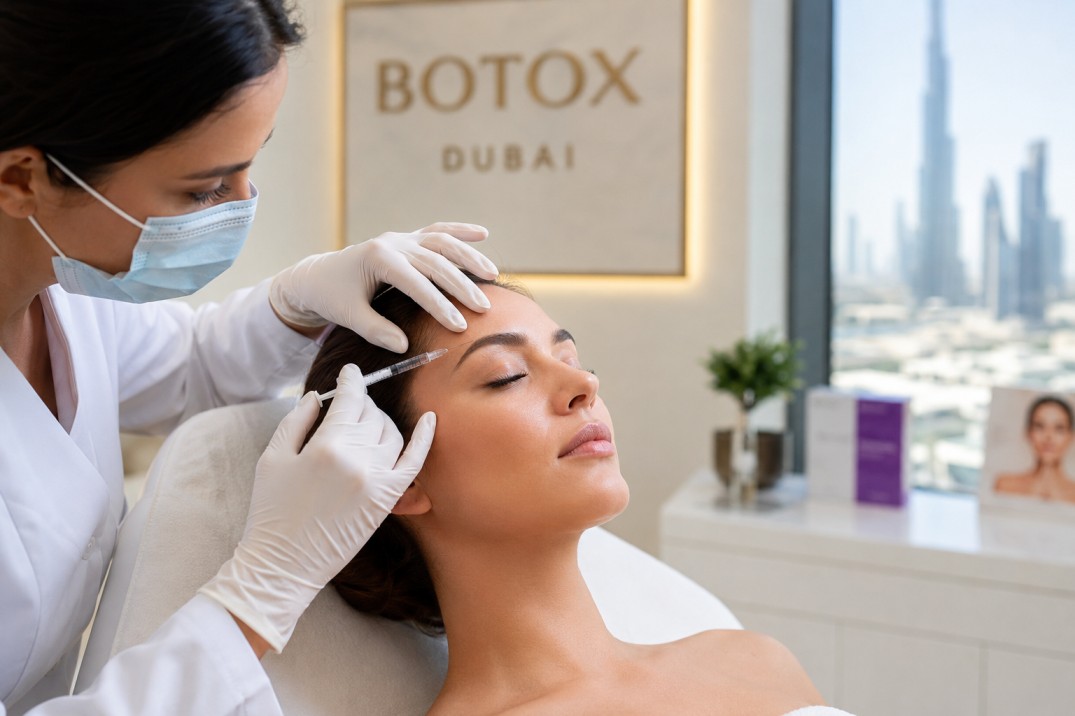
Botox is a neuromodulator used to relax specific facial muscles that cause dynamic wrinkles, such as forehead lines and crow's feet. While the procedure targets physical signs of aging, psychological research and patient surveys suggest that changes in appearance can influence self-perception and social confidence. Reported outcomes vary: some patients experience higher self-esteem and greater comfort in social or professional settings, while others report minimal change in confidence despite cosmetic improvement.
How Botox works and what it can (and cannot) do
Mechanism and typical uses
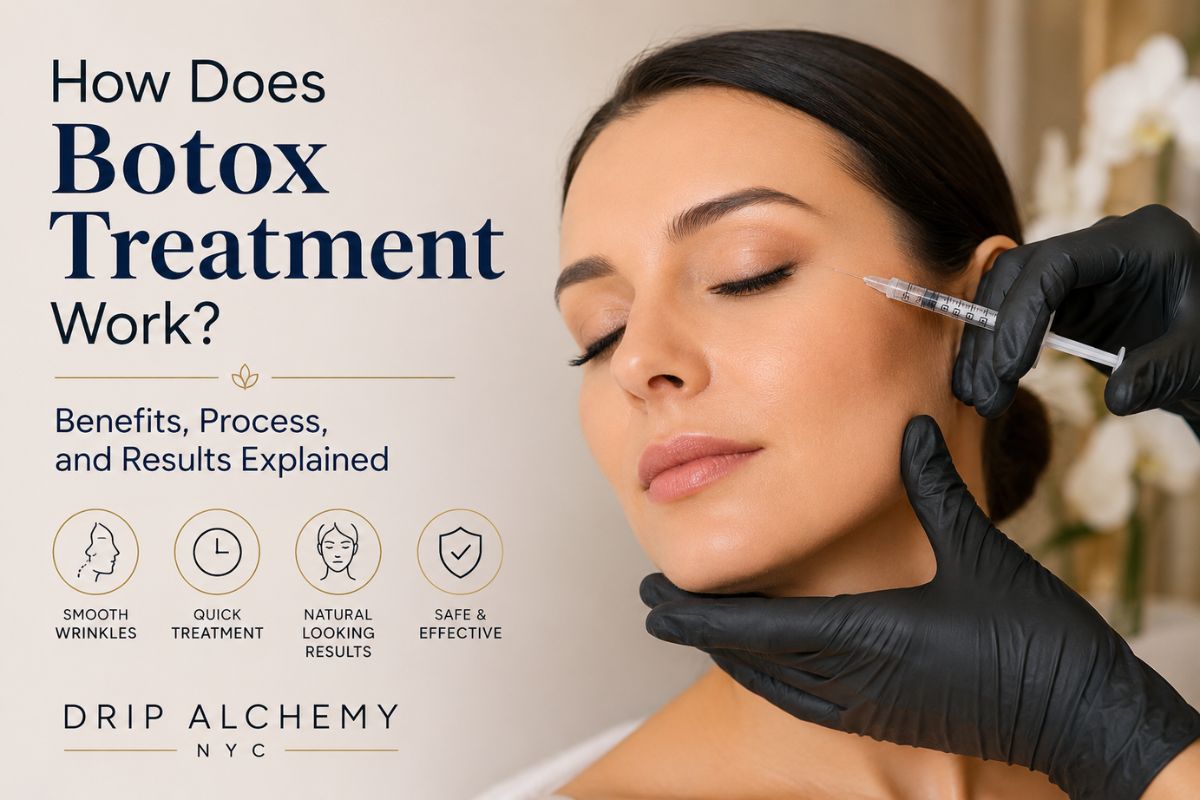
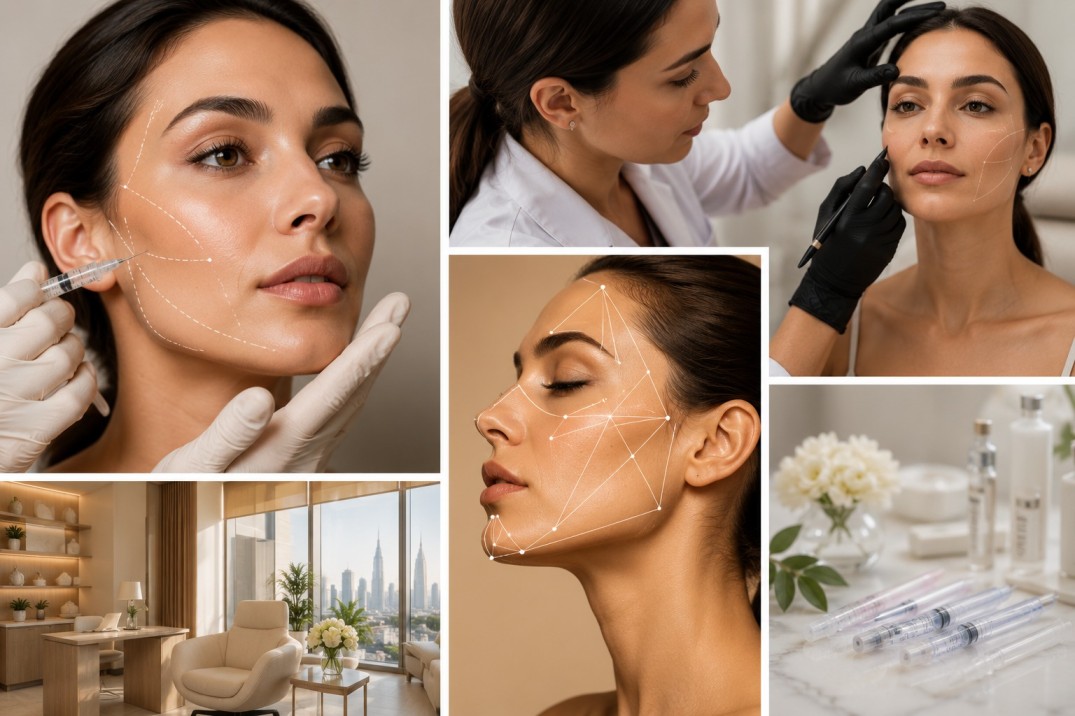
Botox temporarily blocks nerve signals to targeted muscles, reducing repetitive movement and softening expression lines. Common cosmetic uses include forehead lines, glabellar lines (between the eyebrows), and crow's feet. It is also used for medical conditions such as hyperhidrosis and certain muscle spasticity disorders, under clinical guidance.
Limitations and realistic expectations
Results are temporary (usually lasting a few months) and do not change facial bone structure or skin laxity. A single treatment will not produce permanent changes in self-image; improvements in confidence often depend on personal expectations, social support, and broader wellbeing factors. Discussing goals during a pre-treatment consultation helps align outcomes with expectations.
Safety, regulation, and finding a qualified provider in Dubai
Local regulation and clinic standards
Dubai has regulatory frameworks for healthcare and cosmetic services. Prospective patients should confirm that a clinic and practitioner are licensed and operating under standards set by local authorities such as the Dubai Health Authority. Clinics with clear accreditation, transparent pricing, and documented consent procedures typically follow recommended safety practices. For official guidance, see the Dubai Health Authority website: https://www.dha.gov.ae/
Pre-treatment consultation and informed consent
A thorough consultation should cover medical history, allergies, prior treatments, expected results, possible side effects, and aftercare. Licensed dermatologists or trained medical practitioners usually perform assessments and document informed consent. Patients should avoid clinics that pressure for immediate payment or do not provide a clear treatment plan.
Practical considerations: cost, downtime, and follow-up
Cost and value
Prices in Dubai vary by clinic reputation, practitioner experience, and treatment area. Cost should not be the only decision factor; credentials, facility hygiene, and follow-up care contribute to overall value and safety.
Downtime and aftercare
Most cosmetic Botox treatments involve minimal downtime. Common immediate effects include mild swelling or bruising at injection sites. Typical aftercare recommendations include avoiding strenuous exercise and excessive heat for 24–48 hours and following any post-procedure instructions provided by the clinician. Schedule follow-up appointments to assess results and plan maintenance if desired.
Psychological and social factors that influence outcomes
Expectations, identity, and social context
Changes in appearance can influence mood and social interactions, but effectiveness in boosting self-confidence often depends on psychological factors such as self-esteem, body image, and personal motivations. Cosmetic treatments should be considered as one aspect of self-care rather than a guaranteed solution for deeper concerns. If body image or mood concerns are significant, consultation with a mental health professional is recommended before elective cosmetic treatments.
Cultural and workplace considerations in Dubai
Dubai's multicultural environment means attitudes toward cosmetic treatments vary. Some workplaces and social circles view minimally invasive procedures as common, while others prefer more conservative approaches. Understanding local norms and any workplace policies about appearance can help set appropriate expectations.
Alternatives and complementary approaches
Non-injectable options
Options such as topical skincare, laser treatments, chemical peels, and facial rejuvenation therapies may address skin texture, pigmentation, and superficial lines. Lifestyle factors—adequate sleep, hydration, sun protection, and stress management—also affect appearance and wellbeing.
Combining treatments safely
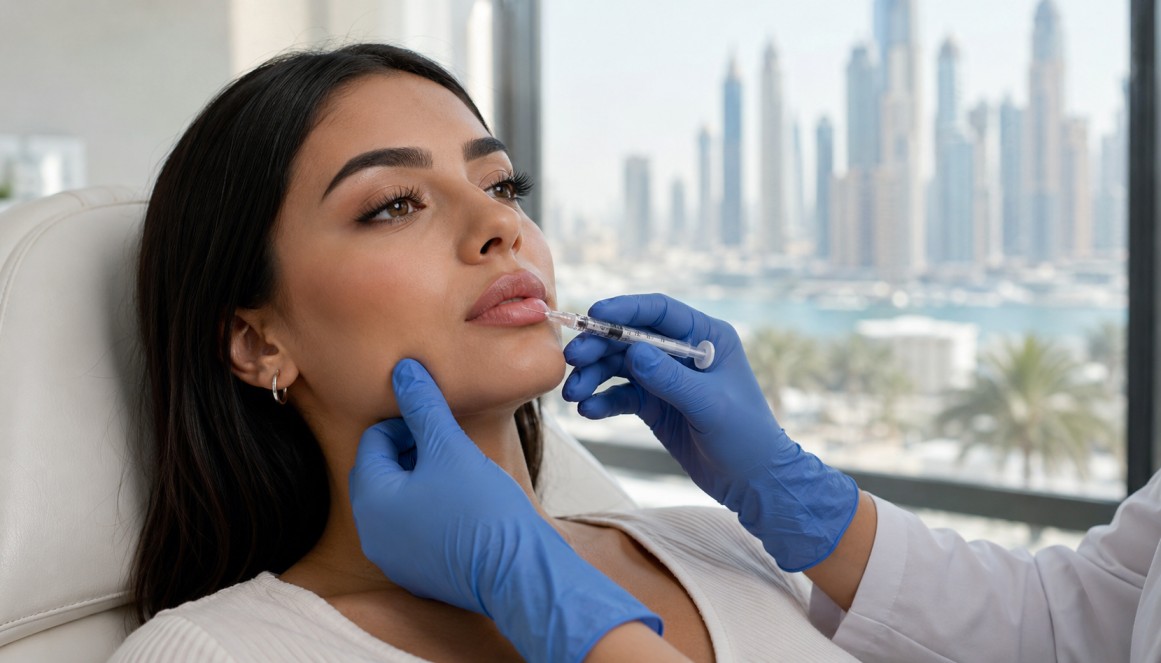
Some patients opt to combine modalities (for example, Botox with filler or skin resurfacing). These combinations should be planned and performed by qualified professionals with experience in multi-modality care to minimize risk.
Choosing whether Botox is right for one’s self-image
Deciding to pursue Botox for self-confidence is a personal choice. Careful research, realistic expectations, selection of a licensed provider, and consideration of psychological factors increase the likelihood of a satisfying outcome. For medical questions about suitability and risk, consultation with a licensed clinician is the appropriate next step.
FAQ
Botox and self-confidence: Will Botox improve my image and confidence?
Some people report improved confidence after Botox because changes in facial lines can influence self-perception, but results vary. Confidence gains often depend on expectations, underlying self-esteem, and social context. A consultation with a licensed clinician can clarify likely cosmetic outcomes for individual concerns.
Is Botox regulation strict in Dubai?
Dubai enforces healthcare regulations and licensing through local authorities. Patients should verify clinician and clinic licensure, ask about practitioner credentials, and confirm that appropriate consent and hygiene protocols are followed.
How long do Botox results typically last?
Cosmetic effects usually last several months, after which muscle activity returns and lines reappear gradually. Maintenance sessions are common for those who wish to sustain results.
What are common side effects and when to seek care?
Common side effects include temporary bruising, swelling, or mild discomfort at injection sites. Serious complications are uncommon but can occur; seek medical attention if there is significant pain, vision changes, or signs of infection. Always follow the clinician's aftercare instructions and report unexpected symptoms promptly.