Brokerage Charges Explained: How They Affect Your Investment Returns
-

- Published Updated
- 4,351 views

When you invest, it’s easy to lose sight of fees. Most people get caught up in stock prices or obsess about market trends, but there’s this sneaky little factor that eats into your returns: brokerage and transaction charges. A lowest brokerage charges here or there doesn’t sound like much, but stack them up over time, especially for frequent traders, and you are looking at a real chunk of your profits slipping away.
Knowing the ins and outs of brokerage charges isn’t just about picking the trading brokers in india charges the least. You want to actually understand what you are paying for, why the fees exist, and how they will impact your bottom line.
So, what are brokerage charges anyway?
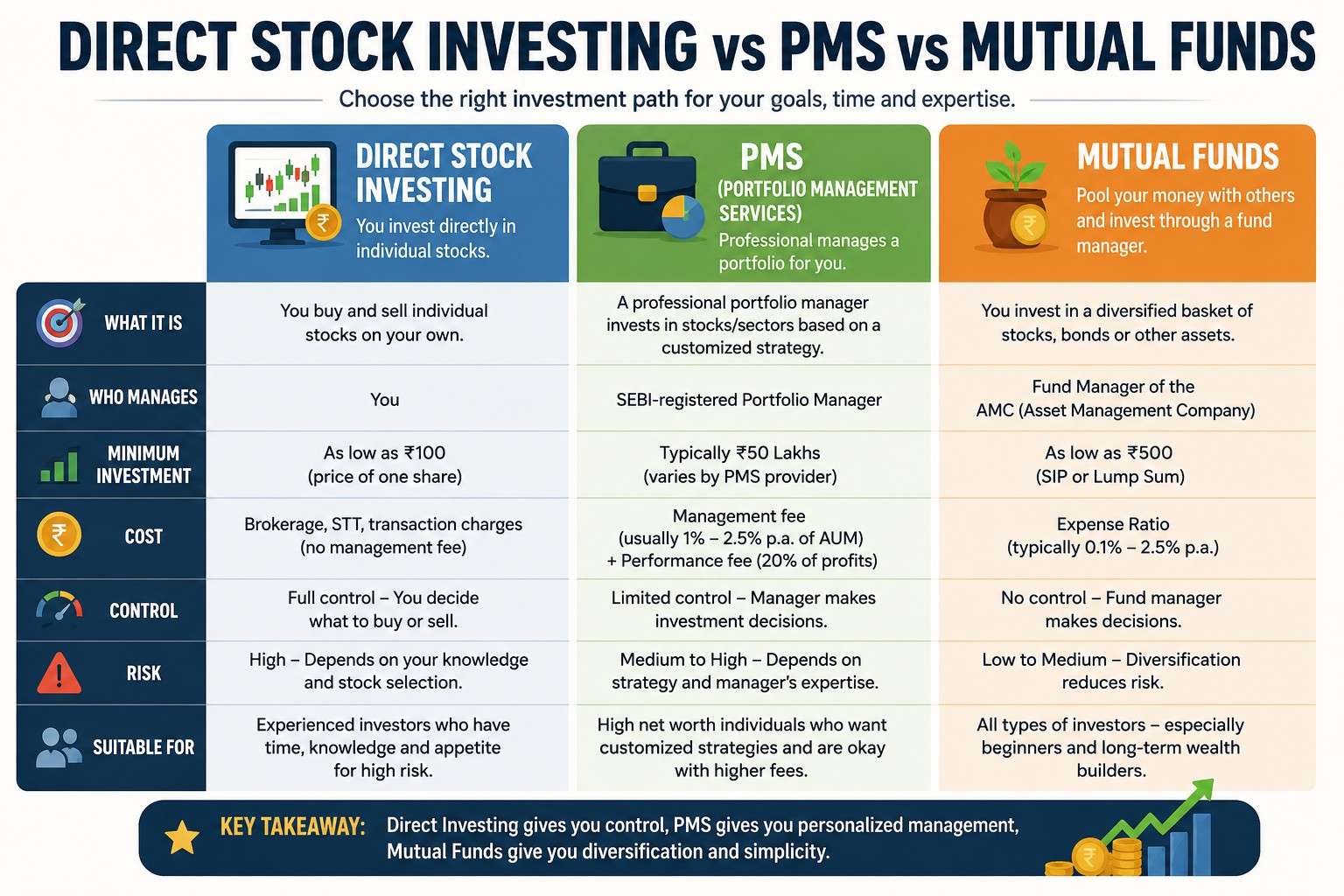
Brokers charge a fee to buy or sell stocks for you. It can be a percentage of your trade, a flat rate, or even some funky structure depending on the broker and the kind of transaction you are making and brokerage is just one part of the bigger picture. You might also have to deal with:
Securities transaction taxes
Exchange transaction charges
GST and other taxes
SEBI-related charges
Stamp duty
Depository participant costs
Account or service fees
Sounds like a lot, right? That’s why it pays to choose the best share broker in India and check out the broker’s actual pricing list instead of just trusting whatever they advertise.
Small charges, big impact
One of the biggest mistakes folks make is looking at costs on a single trade and thinking, “Eh, no big deal.” But imagine you’re turning over ₹50 lakh in trades every year. If your total charge is 0.10%, you pay around ₹5,000. Bump it up to 0.25% and the cost jumps to ₹12,500. Push it to 0.50%, and you’re out ₹25,000. Those tiny percentages translate to real money as your trading activity ramps up.
Active traders, in particular, need their strategies to pull in enough gains to cover these recurring fees, or else what’s the point?
Different investors, different effects
There’s no universal formula for brokerage charges. If you’re a long-term investor who only trades every now and then, fees aren’t nearly as important as building a good portfolio and sticking to your plan. But for traders making moves every day, even small changes in per-trade fees add up fast.
Big investors need to double-check whether their charges are percentage-based, flat, capped, or have some sort of minimum lurking in the fine print. And new investors - don’t let “zero brokerage” fool you. It doesn’t always mean zero cost. There could be plenty of other charges riding in the background.
Ultimately, what works best comes down to how you invest.
Comparing brokers isn’t always straightforward
Different brokers throw out different types of charges. Some shout out percentages, others offer flat fees, and a few tempt you with “zero brokerage” for certain trades. It’s tricky to line them up side by side and truly compare.
Investors tend to do basic math: sale value minus purchase value equals profit. But here’s the better way:
Gross gain – brokerage – transaction charges – taxes – other fees = what you actually earn.
That last number’s the one that really matters.
How to size up brokerage costs
Don’t just ask, “Which broker is cheapest?” Ask yourself these five questions:
1. What does a typical trade really cost? Add up every bit, not just the brokerage rate.
2. How often are you trading? Occasional investors need a different deal than daily traders.
3. Are there minimum or maximum fees? Different structures can give strangely different results at different transaction sizes.
4. What else comes with the fee? Look at platform reliability, reporting tools, research, customer support and Investment apps- you name it.
.
5. How much will you pay in a year? Estimate your annual trading and tally up all the costs. An annual figure makes hidden charges stand out.
A simple brokerage audit
At least once a year, take a peek at your trading history. Figure out:
Number of trades
Total turnover
Total brokerage paid
All statutory/transaction charges
Other fees
Your total investment cost
Gross returns
Net returns after costs
Then do this:
(Total investment costs ÷ total turnover) × 100 = your effective cost rate.
This helps you check if fees are starting to eat up too much relative to your trading activity.
Common pushback: “My brokerage fee is too tiny to matter.”
Sure, one little charge doesn’t move the needle. But multiply a ₹50 fee by 200 trades and suddenly you’ve spent ₹10,000. It’s not about any single fee—it’s about all those fees piling up.
On the flip side, don’t just chase the lowest-cost broker either.
Cheap isn’t always best
Of course you want to save money, but don’t make cost the only thing you care about. The broker who saves you ₹2,000 might not offer the customer support or trading tools you need. Paying more isn’t guaranteed to bring better value either.
What you really want is cost efficiency. Look for a mix of low fees and solid value.
Try this approach:
Understand the fee structure → Calculate your real costs → Compare providers → Monitor expenses vs. returns → Optimize when needed.
How professional guidance helps
Fee schedules and statements can be dizzying, to say the least, especially when you have to keep track of several different charges. That’s why Rudra Shares helps investors and businesses unravel it – with transparency, efficiency and smart decisions. We don’t look at brokerage in isolation, we make sure the overall cost fits your strategy.
For more details, check out their investment strategies and brokerage solutions.
Final takeaway
Brokerage charges might seem small, but for active investors, they compound quickly. Don’t just hunt for the lowest advertised fee. Understand your trading habits, tally your true costs, compare what you pay to what you actually get, and keep tabs on your strategy.
When you know both your costs and your returns, you are in control.
If you’re not sure whether your brokerage structure is the best fit, Rudra Shares offers a complimentary consultation. No pressure - just a candid chat about where you could improve. Book your introductory consult or reach out to their team and get started.