Smart Savings: How to Choose the Best Cheap Floor Tiles for Your Home
-

- March 23rd, 2026
- 311 views

Get a free topical map and start building content authority today.
Introduction
Finding the best cheap floor tiles for your home means balancing cost, durability, and style. This guide explains affordable tile types, realistic budget expectations, installation basics, and decision checkpoints so a home update stays attractive without overspending. Detected intent: Commercial Investigation.
- Aim: get a durable, attractive floor within a tight budget
- Top low-cost choices: ceramic, porcelain-look ceramic, vinyl plank, peel-and-stick tile
- Includes the TILE Budget Checklist (Type, Installation, Look, Estimate)
- Core intent: Commercial Investigation
Best cheap floor tiles for your home: top types and where to use them
Affordable ceramic floor tiles: proven, budget-friendly basics
Ceramic tiles are often the cheapest durable option. Unglazed and glazed ceramic tiles cost less than most porcelain pieces and come in many colors and sizes. Expect low to mid-range wear ratings suitable for light- to medium-traffic areas such as bedrooms, hallways, and living rooms. Pros: low price, easy to cut, many finishes. Cons: more porous than porcelain, so choose glazed tiles near moisture.
Low-cost porcelain floor tiles: a longer-lasting alternative
Porcelain typically costs more than ceramic but low-cost porcelain variants are available in common sizes (12x12, 12x24). Porcelain is denser, has better water resistance, and higher PEI wear ratings—useful for entryways, kitchens, or bathrooms. Trade-offs: slightly higher material cost and heavier weight, which can increase installation expense.
Budget-friendly vinyl plank flooring for moisture-prone rooms
Luxury vinyl plank (LVP) or vinyl sheet floors imitate wood and tile at a fraction of the cost of real materials. Vinyl's waterproof properties and attached underlay options make it ideal for basements, bathrooms, and kitchens. Search terms like "budget-friendly vinyl plank flooring" and look for a durable wear layer (20 mil+ for busy homes).
Peel-and-stick and vinyl tiles: DIY and lowest-cost installs
Peel-and-stick tiles are the lowest-priced route and friendly to DIY installs. Best used in small rooms or as temporary updates. They don’t last as long as ceramic/porcelain and can be sensitive to subfloor imperfections and heat.
Laminates and alternatives
Laminate is an inexpensive option that mimics wood but is less water-resistant than vinyl. For rooms with low moisture and moderate traffic, a quality laminate can be cost-effective.
TILE Budget Checklist (named framework)
Use this 4-step framework for quick, repeatable decisions before buying tile:
- Type: Ceramic, porcelain, vinyl, or peel-and-stick—match material to room use.
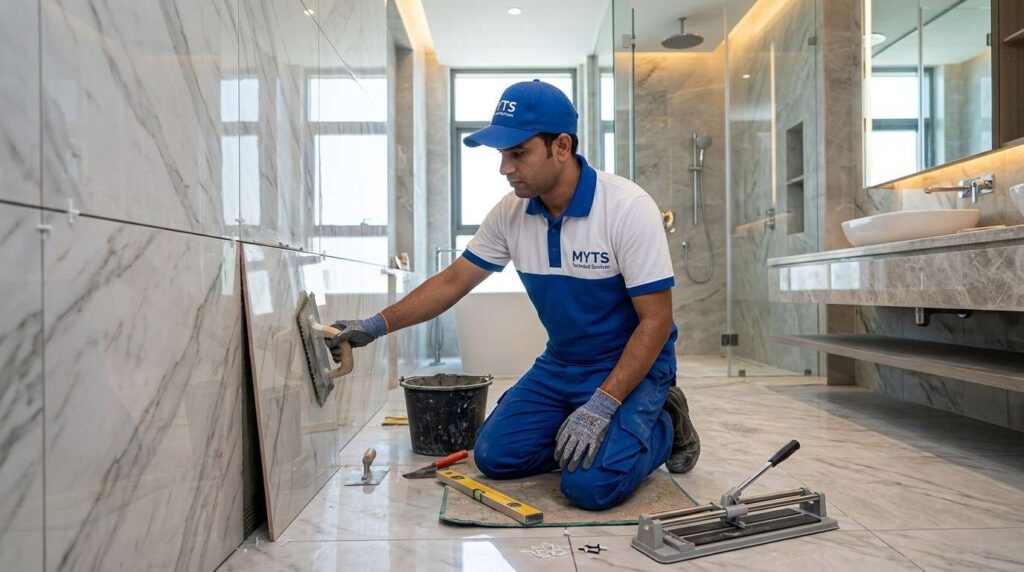
- Installation: DIY-ready vs. professional; factor labor into the total budget.
- Look: Size, color, grout choices; larger tiles can make spaces feel bigger but may cost more.
- Estimate: Material + labor + waste (add 10%–15% for cuts and breakage).
Practical example scenario
Scenario: A 120 sq ft kitchen renovation on an $800 tile budget. Choose 12x24 porcelain-look ceramic tiles at $1.00–$1.50/sq ft = $120–$180 for materials. Grout and thinset $60–$90. Tools or rental and underlayment $80. Labor (if hired) will exceed this small budget, so plan for a DIY install or increase the budget. Final cost with 10% waste allowance: approximately $300–$400 material-only. This real-world break down demonstrates how material savings can still produce a long-lasting, attractive result when paired with correct installation prep.
Installation basics and standards
Proper substrate preparation and grout selection are essential for longevity. For best-practice installation requirements and tile-specific standards, consult the industry guidelines such as the Tile Council of North America (TCNA) installation guidelines: Tile Council of North America (TCNA) installation guidelines. Poor substrate prep is a top cause of early tile failure.
Practical tips (3–5 actionable points)
- Buy sample tiles and install them in a small area to confirm color and slip behavior under your lighting.
- Order 10%–15% extra material for cuts, waste, and future repairs—cheaper to have leftovers than to rebuy a discontinued batch.
- Match tile PEI rating and slip resistance (R-rating) to room use: higher PEI for busy areas, higher R for wet zones.
- Consider larger format tiles to reduce grout lines and speed up installation—but ensure the subfloor is very flat.
- If hiring installers, get multiple estimates and check references; a low labor quote can hide corners cut on prep.
Trade-offs and common mistakes
Trade-offs: Lowest price often means thinner tile, inconsistent sizing, or limited design. Saving on labor can lead to costly repairs. Common mistakes include skipping substrate leveling, using the wrong tile adhesive, and underestimating waste. Other pitfalls: mismatching grout color (which ages differently than tile), and buying left-over tiles from different production lots without matching shade numbers.
Core cluster questions
- Which low-cost tile type lasts longest in kitchens?
- How much should be budgeted per square foot for DIY tile installation?
- When is vinyl plank a better bargain than ceramic or porcelain?
- How to choose grout and sealers that extend the life of cheap tile?
- What are the best ways to assess subfloor readiness before tiling?
FAQ
What are the best cheap floor tiles for your home?
For most homeowners seeking value, glazed ceramic and porcelain-look ceramic tiles offer the best mix of low cost, durability, and style. Vinyl plank wins when waterproofing and simple DIY installation are top priorities.
How do installation costs affect total budget?
Installation can be 50% or more of the total cost if hiring professionals. Material-only budgets should include supplies, tools, and a contingency for mistakes if attempting a DIY job.
Can peel-and-stick tile be used in kitchens and bathrooms?
Peel-and-stick works best in low-moisture, low-traffic areas. For kitchens and bathrooms, choose high-quality peel-and-stick rated for wet areas and ensure a smooth, clean subfloor.
How to choose between porcelain and vinyl on a tight budget?
Choose porcelain where water resistance and long-term wear matter and budget allows. Choose vinyl when waterproofing, lower labor cost, and speed of install are the priority. Evaluate life-cycle cost: vinyl may need replacement sooner in busy areas.
How should leftover tiles be stored for future repairs?
Store extras flat in a climate-controlled area, kept in original packaging when possible. Note the batch or shade number for future purchases; tile glazing can vary between production runs.
Making a cost-effective tile choice requires matching material properties to room use, adding realistic labor and waste allowances, and following installation guidelines. The TILE Budget Checklist reduces guesswork: pick the right Type, plan Installation, confirm the Look, and build an Estimate before buying.