What Is the Build Operate Transfer Model and Why Businesses Are Using It to Expand Globally
-

- Published Updated
- 6,444 views

When a company decides to expand internationally or set up a dedicated technology team in a new country, the choices can be overwhelming. Do you hire locally through a recruitment agency? Set up a full subsidiary from scratch? Or partner with someone who knows the terrain and hands over the keys once everything is running smoothly?
That last option has a name: the Build Operate Transfer model, commonly known as BOT. It has steadily grown into one of the most practical ways for mid-sized and enterprise businesses to build offshore or nearshore teams without taking on all the legal, operational, and HR complexity upfront.
This article breaks down how the model works, what makes it different from other expansion approaches, and what you should consider before signing any BOT engagement.
Understanding the Core Concept
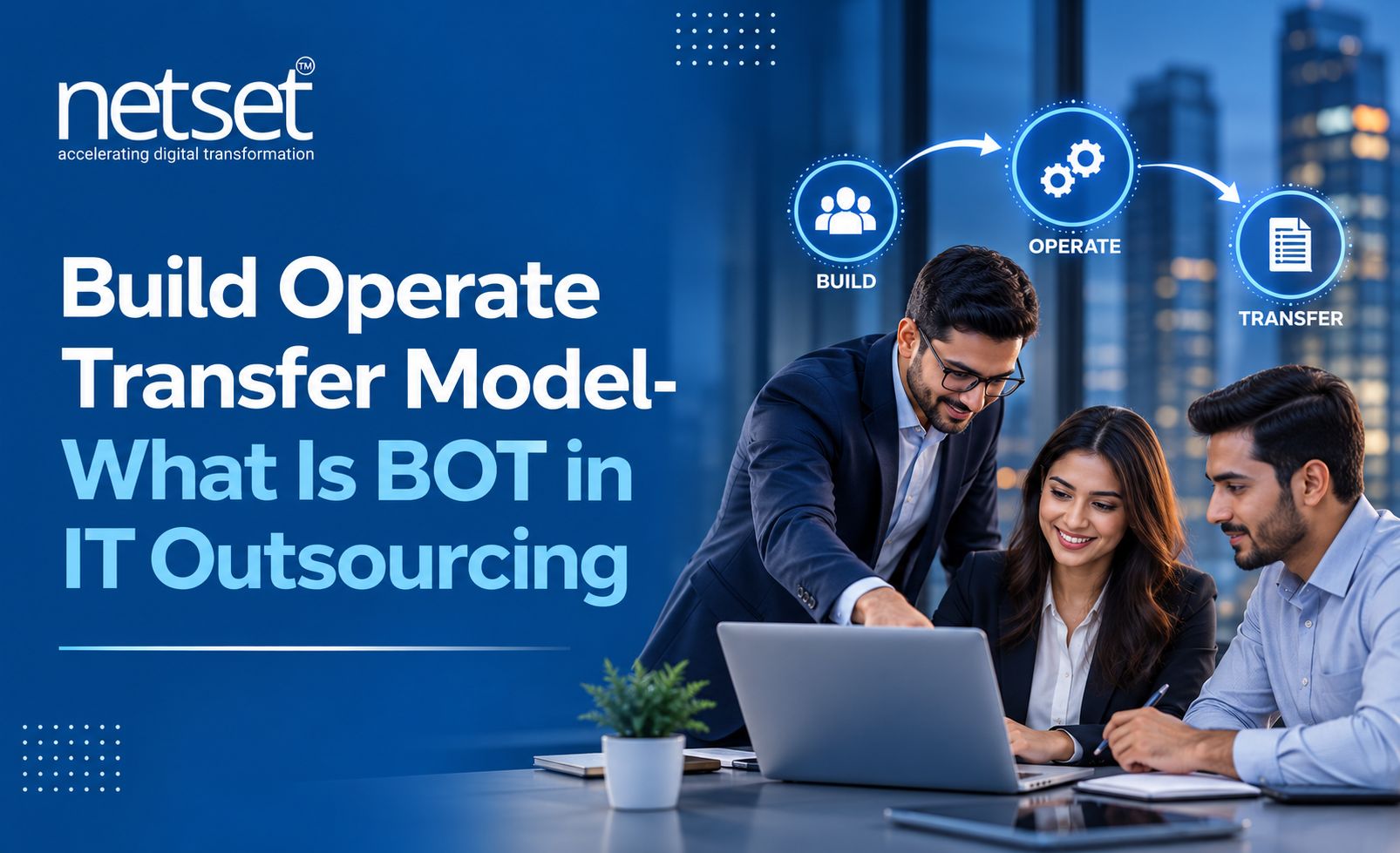
The Build Operate Transfer model is a structured outsourcing arrangement with three distinct phases. In the first phase (Build), a third-party provider sets up the infrastructure you need: office space, technology, legal entity, initial recruitment, and compliance. In the second phase (Operate), the provider runs day-to-day operations while you stay closely involved in direction and oversight. In the third phase (Transfer), full ownership of the team, the entity, and all processes passes over to you.
The appeal is obvious. You get the benefits of an established local partner during the setup phase, without having to figure out foreign employment law, local banking, or vendor management from a desk in another country.
Why the BOT Model Has Become More Relevant in 2026
Remote and hybrid work has normalized distributed teams. Companies that once considered offshore talent a last resort are now actively building global delivery centers as a strategic advantage. At the same time, the cost of getting the setup wrong has never been higher. A botched entity setup or a compliance failure in a new country can set you back months and cost significantly more than if you had done it right the first time.
The BOT model addresses this risk directly. Because the build and operate phases are handled by a partner with local expertise, mistakes that commonly occur in DIY international expansion are largely avoided.
What Happens in Each Phase
During the Build phase, expect your provider to handle employer registration, workspace arrangement, IT procurement, and the initial recruitment pipeline. This phase typically takes 60 to 90 days depending on location and team size.
The Operate phase can last anywhere from 12 to 36 months. During this window, your partner manages payroll, compliance, HR administration, and performance monitoring. You maintain full visibility and direction over the actual work being done. Think of this phase as a supervised runway. You are not just watching from the sidelines. You are learning the local market, building internal leadership capability, and preparing for the moment you take over completely.
The Transfer phase is where the relationship structure changes. The legal entity, employment contracts, intellectual property, and all operational processes are transitioned to your direct ownership. A well-written BOT agreement will spell out exactly how this transfer happens, what the conditions are, and what happens if either party wants to exit early.
BOT vs. Staff Augmentation: What Is the Difference
Staff augmentation is a shorter-term, more flexible model. You bring in talent on a contract basis through a third party, and that talent works on your projects but remains employed by the staffing company. It is great for filling specific skill gaps or scaling a team temporarily.
BOT is designed for companies that want to eventually own their offshore operation outright. The goal is not just to access talent but to build institutional capability in a new geography. These are two very different strategic outcomes.
For businesses that are in the early stages of evaluating India, Eastern Europe, or Southeast Asia as talent hubs, the BOT model offers a lower-risk entry point than setting up a wholly-owned subsidiary from day one.
Key Questions to Ask Before Choosing a BOT Partner
Not all BOT providers operate the same way. Here are a few questions worth asking during your evaluation:
How long does the Build phase take on average, and what is included in the fixed scope? What are the handover conditions in the Transfer phase? Who owns the intellectual property during the Operate phase? What happens if you decide not to transfer and want to exit the engagement early?
The answers to these questions will tell you a great deal about whether you are working with a provider that genuinely understands long-term partnership or one that is primarily focused on the short-term contract value.
What to Watch Out For
One common pitfall is choosing a BOT provider that specializes in a different industry than your own. Setting up a finance and accounting team offshore requires different compliance knowledge than setting up a software development team. Make sure your provider has done this before in a context similar to yours.
Another area to watch is the service level agreement during the Operate phase. Vague language around performance metrics, reporting cadence, and escalation procedures can create problems later. Get specifics in writing before you sign.
Why India Remains a Top Destination for BOT Engagements
India has the largest English-speaking technology talent pool in the world outside the United States. Its combination of technical skill, cost competitiveness, and a growing number of professional service providers makes it the most common destination for BOT setups across sectors including IT, BFSI, healthcare technology, and e-commerce operations.
Cities like Bangalore, Pune, Hyderabad, and Chennai have mature ecosystems for exactly this kind of structured team setup. Legal frameworks have also evolved to support foreign entities operating in India, making the transfer phase more straightforward than it was a decade ago.
If you are evaluating this model for India specifically, looking at providers that have a proven track record in the BOT space is a smart starting point. Companies like iValuePlus have structured build-operate-transfer engagements designed for overseas businesses looking to establish a presence in India without taking on full operational risk upfront.
The Long-Term Value of the BOT Approach
Once the transfer is complete, you own an operating business unit in a new country. You have a team that knows your processes, leadership that understands your culture, and infrastructure that was purpose-built for your requirements. That is a fundamentally different outcome than what you get from a long-term outsourcing arrangement where you never own anything.
The BOT model does require patience. The full cycle from Build to Transfer can take two to four years depending on the scale. But for businesses that are serious about building a global presence and not just outsourcing a few functions, it is one of the most structured and de-risked paths available.
Final Thoughts
The build-operate-transfer model is not for everyone. If you need talent quickly for a short-term project, staff augmentation or managed services will serve you better. But if you are looking to build a long-term offshore capability that you will eventually own and operate independently, the BOT model offers a clear, phased approach that reduces the risk of international expansion considerably.
Before committing, do your research, ask the right questions, and choose a partner who has done this at scale before.