Building ADHD Resilience: Practical Strategies to Overcome Challenges and Achieve Goals
-

- Published Updated
- 1,693 views
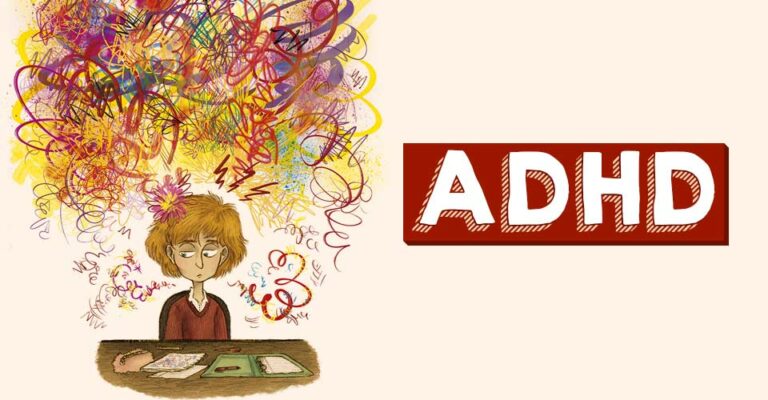
ADHD resilience describes the ability to persist, adapt, and reach objectives despite attention, impulsivity, or executive function challenges. This article explains practical strategies for building ADHD resilience, reducing barriers in daily life, and using supports that help people meet personal, educational, and workplace goals.
- ADHD resilience combines adaptive routines, environmental adjustments, and skill-building to improve functioning.
- Practical steps include structured routines, clear goals, external supports, and tailored coping strategies.
- Evidence-based supports include behavioral coaching, cognitive strategies, organizational tools, and professional evaluation when needed.
ADHD resilience: What it means and why it matters
Definition and components
Resilience in the context of attention-deficit/hyperactivity disorder covers a set of behavioral, cognitive, and social responses that reduce the impact of symptoms on daily functioning. Components include adaptive routines, problem-solving skills, social supports, and access to useful accommodations or tools.
Resilience versus symptom control
Resilience is not the same as eliminating symptoms. Instead, it focuses on strategies that compensate for or work with symptoms—such as reducing distractions, externalizing memory, and using feedback loops—so that goals remain achievable.
Practical strategies to overcome challenges
Create predictable routines and structure
Consistent schedules reduce decision fatigue and lower the chance of missed steps. Use visible calendars, time-blocking, and regular review times. Break larger tasks into short, clearly defined steps to make initiation and completion easier.
Modify the environment and use external supports
Design work and living spaces to limit distractions: minimize visual clutter, use noise controls, and place essential items in consistent locations. External supports include timers, task lists, reminder apps, physical checklists, and assistive technology tailored to attention and memory challenges.
Goal setting and time management
Set specific, measurable, achievable, relevant, and time-bound (SMART) goals. Prioritize tasks by impact and effort. Use short intervals for focused work (for example, 20–45 minutes) followed by planned breaks to maintain concentration and reward progress.
Emotional regulation and stress reduction
Techniques that support emotional regulation—such as brief mindfulness practices, paced breathing, or progressive muscle relaxation—can reduce reactivity and improve problem-solving under stress. Identifying early warning signs of overwhelm helps to deploy coping strategies before difficulties escalate.
Skill-building and coaching
Behavioral coaching and skills training can teach task initiation, planning, prioritization, and self-monitoring. Educational supports or workplace accommodations—such as extra time, clear written instructions, or quiet workspaces—can reduce barriers while skills are developed.
Leverage strengths and interests
Using personal strengths and intrinsic interests increases motivation and persistence. Aligning tasks with preferred formats (visual, auditory, hands-on) and seeking roles that use hyperfocus productively can support long-term engagement.
Support resources and professional guidance
When to seek professional evaluation
If symptoms significantly interfere with learning, work, relationships, or safety, professional assessment from a qualified clinician is useful. Diagnostic criteria and treatment planning are informed by clinical guidelines such as those published by the American Psychiatric Association and pediatric or adult psychiatric associations.
Organizations and evidence sources
Organizations that provide information and resources include national public health agencies and professional associations. For basic public guidance on ADHD, see the U.S. Centers for Disease Control and Prevention resource: CDC: ADHD. Academic literature and clinical guidelines offer additional detail on effective interventions.
Measuring progress and maintaining momentum
Track small wins and adjust plans
Document progress with simple logs or apps to identify patterns, triggers, and effective strategies. Celebrate incremental improvements to reinforce adaptive habits. When setbacks occur, review situational factors and adjust the environment or approach rather than interpreting a setback as failure.
Iterative goal cycles
Use short planning cycles (weekly or biweekly) to set clear steps, review outcomes, and recalibrate. This iterative process supports continuous improvement and aligns daily actions with larger objectives.
Build social supports
Peer groups, mentors, or accountability partners can provide structure, feedback, and encouragement. Educational institutions and workplaces may offer formal accommodations or informal arrangements that support sustained performance.
Final considerations
ADHD resilience grows from a combination of personalized strategies, supportive environments, skill development, and appropriate professional involvement. Practical adjustments that reduce friction in daily life often produce large gains in independence and productivity.
How can ADHD resilience be developed over time?
Developing ADHD resilience is a gradual process of building routines, testing supports, learning from setbacks, and reinforcing what works. Start with a few targeted changes—such as a consistent morning routine or a single external reminder system—and expand supports as habits stabilize. Regular review and small, achievable goals facilitate long-term consolidation.
What types of professional help support resilience?
Behavioral coaching, educational or occupational accommodations, therapists who specialize in skills training, and clinical evaluation by licensed providers can all support resilience. Different professionals address assessment, strategy development, and emotional factors; consult qualified clinicians for personalized recommendations.
Are there evidence-based techniques that improve daily functioning?
Yes. Structured routines, external reminders, task segmentation, and skills training have evidence of benefit for improving organization, time management, and task completion. Clinical guidelines and peer-reviewed research describe effective approaches tailored to age and context.
Where to find reliable information about ADHD and supports?
Reliable information is available from public health agencies, professional medical associations, and peer-reviewed journals. For accessible, general guidance, visit the CDC resource linked above or consult local health and educational services for region-specific supports.