Building Rehabilitation: Restore Strength, Extend Service Life
-

- Published Updated
- 3,670 views
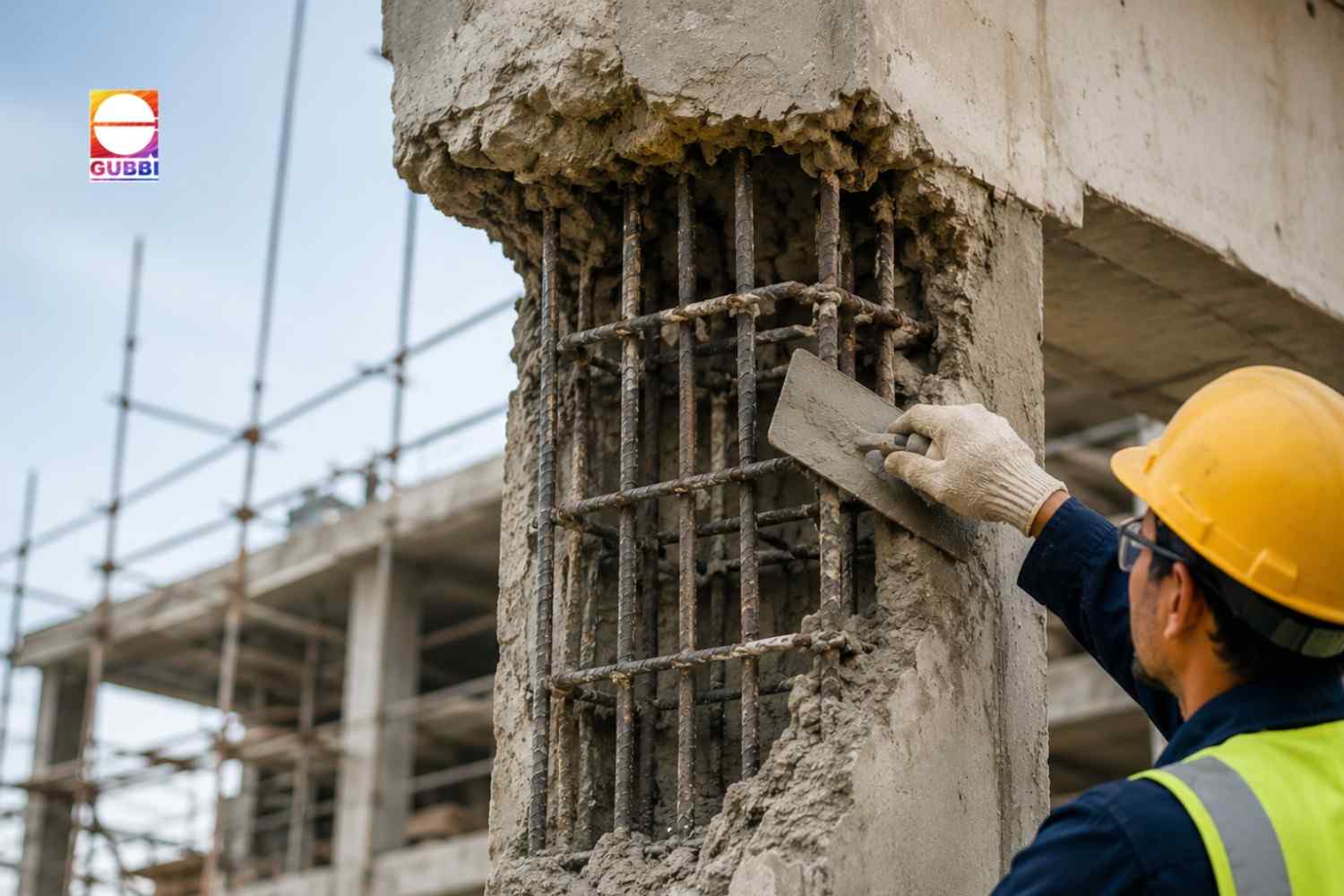
Buildings are valuable assets that are expected to serve safely and efficiently for decades. However, continuous exposure to environmental conditions, moisture intrusion, structural loading, material aging, and lack of maintenance can gradually reduce their performance. Building rehabilitation is a specialized engineering process focused on restoring damaged structures, improving durability, and extending service life. It helps owners protect their investment while ensuring the safety and functionality of existing buildings. Unlike cosmetic renovation, building rehabilitation addresses the root causes of structural deterioration. It involves detailed assessment, repair, strengthening, and upgrading of critical structural components. Whether it is a residential complex, commercial building, industrial facility, institutional structure, or infrastructure asset, rehabilitation provides a practical solution for restoring structural integrity without complete reconstruction.
What Is Building Rehabilitation?
Building rehabilitation is the process of repairing, restoring, strengthening, and upgrading an existing structure to improve safety, durability, functionality, and long-term performance. The primary objective is to bring a deteriorated building back to a stable and serviceable condition while preventing future damage. Rehabilitation focuses on structural deficiencies rather than appearance alone.
The rehabilitation process may include concrete repair, crack treatment, corrosion control, waterproofing, structural strengthening, retrofitting, foundation improvement, and load enhancement measures. Through systematic engineering interventions, buildings can continue to perform safely even after years of service and environmental exposure.
Why Buildings Require Rehabilitation
Every structure experiences gradual deterioration throughout its lifespan. Factors such as water leakage, reinforcement corrosion, thermal movement, excessive loading, chemical attack, pollution, and poor maintenance contribute to structural distress. Over time, these issues can reduce load-carrying capacity and create safety concerns if left untreated.
Many buildings constructed decades ago were designed according to older standards and may not meet current performance requirements. Changes in occupancy, equipment loads, operational demands, and environmental conditions often create additional stress on structural systems. Building rehabilitation helps bridge this gap by strengthening existing structures and improving their reliability.
Common Signs That Indicate Rehabilitation Is Needed
Structural deterioration rarely occurs without warning signs. Visible cracks in beams, slabs, columns, and walls often indicate underlying structural concerns. Water seepage, dampness, peeling plaster, and concrete spalling are also common indicators that a building requires professional evaluation and rehabilitation planning.
Other warning signs include exposed reinforcement bars, rust stains, uneven floors, settlement issues, excessive deflection, recurring leakage, and declining structural performance. Early identification of these symptoms allows property owners to implement corrective measures before the damage becomes extensive and costly to repair.
Importance of Building Rehabilitation Services
Building rehabilitation services provide a cost-effective alternative to demolition and reconstruction. By restoring existing structures, property owners can significantly reduce capital expenditure while preserving operational continuity. Rehabilitation also minimizes disruption to occupants and avoids the lengthy approval processes often associated with rebuilding projects.
In addition to financial benefits, rehabilitation improves safety, enhances durability, and increases property value. Properly executed rehabilitation projects can extend the service life of buildings by several decades, making them suitable for continued use under modern performance requirements. This approach supports both sustainability and long-term asset management objectives.
Structural Assessment Before Rehabilitation
Successful rehabilitation begins with a comprehensive structural assessment. Engineers perform visual inspections, condition surveys, material testing, and non-destructive testing to evaluate the existing condition of the structure. This process helps identify the root causes of deterioration and determine the most effective repair strategy.
Structural analysis is then conducted to assess load-bearing capacity, performance deficiencies, and future service requirements. Accurate diagnosis is critical because rehabilitation solutions must address the actual cause of damage rather than simply treating visible symptoms. This engineering approach ensures long-term effectiveness and durability.
Key Building Rehabilitation Techniques
Modern building rehabilitation services utilize a wide range of repair and strengthening technologies. The selected technique depends on the type and severity of structural distress, environmental exposure, and operational requirements. Proper selection of materials and methods is essential for achieving lasting results.
Common rehabilitation techniques include structural crack repair, epoxy injection grouting, micro-concreting, shotcreting, carbon fiber strengthening, steel jacketing, concrete jacketing, corrosion protection systems, waterproofing treatments, and foundation strengthening. These methods restore structural performance while improving resistance against future deterioration.
Concrete Repair and Restoration
Concrete deterioration is one of the most common reasons for building rehabilitation. Factors such as moisture ingress, carbonation, chloride attack, and aging often lead to cracking, spalling, and surface degradation. Concrete repair techniques restore damaged areas and protect the structure from further deterioration.
Repair methods may involve removal of deteriorated concrete, treatment of corroded reinforcement, application of bonding agents, and placement of specialized repair mortars. These solutions restore structural continuity and improve durability while preserving the integrity of existing structural elements.
Structural Strengthening and Retrofitting
In many cases, buildings require additional strength to accommodate increased loads or meet updated safety requirements. Structural strengthening enhances load-carrying capacity and improves resistance to various stresses. This is particularly important for aging buildings, industrial facilities, and structures undergoing functional changes.
Retrofitting solutions may include carbon fiber wrapping, steel plate bonding, column jacketing, beam strengthening, and slab enhancement techniques. These interventions improve structural performance while extending the service life of the building without major reconstruction activities.
Waterproofing as Part of Rehabilitation
Water infiltration is one of the leading causes of structural deterioration. Continuous exposure to moisture accelerates corrosion, weakens concrete, and creates conditions for extensive damage. Effective waterproofing is therefore an essential component of building rehabilitation services. Waterproofing systems protect roofs, terraces, basements, retaining structures, and exposed concrete surfaces from water ingress. By preventing moisture penetration, these systems improve durability, reduce maintenance requirements, and support the long-term success of rehabilitation projects.
Benefits of Hiring Building Rehabilitation Contractors
Building rehabilitation is a specialized engineering discipline that requires technical expertise, proper planning, and quality execution. Experienced building rehabilitation contractors possess the knowledge and resources needed to evaluate structural conditions accurately and implement effective rehabilitation solutions.
Professional contractors ensure that rehabilitation work follows established engineering standards and quality control procedures. Their involvement minimizes risks, improves project outcomes, and helps property owners achieve long-term structural performance. Selecting qualified specialists is critical for the success of any rehabilitation project.
Sustainability Benefits of Building Rehabilitation
Building rehabilitation contributes significantly to sustainable construction practices. Instead of demolishing structures and generating large volumes of waste, rehabilitation maximizes the use of existing assets. This reduces material consumption, conserves resources, and minimizes environmental impact.
Extending the life of existing buildings also reduces the demand for new construction materials and associated carbon emissions. Rehabilitation aligns with modern sustainability objectives by preserving structural assets while improving safety, efficiency, and functionality for future use.
Choosing the Right Building Rehabilitation Partner
The success of a rehabilitation project depends heavily on selecting the right contractor. Property owners should evaluate experience, technical capabilities, project portfolio, quality assurance processes, and engineering expertise before making a decision. A comprehensive approach ensures reliable and durable rehabilitation outcomes.
An experienced rehabilitation partner conducts detailed investigations, develops customized repair strategies, and executes work using proven technologies. This approach ensures that structural issues are resolved effectively and that the building remains safe and functional for years to come. Property owners seeking dependable solutions can consider consulting Gubbi Civil Engineers Limited for professional assessment and rehabilitation planning tailored to complex structural challenges. Building rehabilitation plays a vital role in preserving the safety, durability, and functionality of aging structures. Through systematic assessment, targeted repairs, structural strengthening, and preventive measures, rehabilitation restores structural integrity while extending service life. It provides a practical alternative to demolition and helps property owners maximize the value of existing assets. As buildings continue to age and operational requirements evolve, the demand for professional building rehabilitation services will continue to grow. Timely intervention by experienced building rehabilitation contractors helps prevent major structural failures, reduces long-term maintenance costs, and ensures safe occupancy. Investing in rehabilitation today protects structural performance and secures the future of valuable building assets.