Business Loans Explained: Types, Costs, and How to Choose
-

- February 23rd, 2026
- 1,342 views
Business loans are a common way for companies to access capital for startup costs, expansion, equipment, or working capital. This guide explains core concepts, typical loan types, underwriting criteria, costs and repayment structures, and where to find authoritative resources.
- Business loans provide financing in forms such as term loans, lines of credit, equipment loans, and invoice financing.
- Lenders evaluate credit history, cash flow, collateral, and business plans.
- Costs include interest rates, fees, and possible prepayment penalties; terms vary from short (months) to long (years).
- Regulatory guidance and borrower protections are available from agencies such as the U.S. Small Business Administration and consumer financial regulators.
Types of business loans
Term loans
Term loans deliver a one-time lump sum repaid over a fixed schedule with interest. Terms commonly range from one to ten years. Short-term loans often focus on working capital while longer terms are used for major investments.
Lines of credit
A line of credit functions like a business credit card: the borrower can draw funds up to a limit, repay, and draw again. Revolving lines suit fluctuating cash needs and seasonal businesses.
SBA-backed loans and government-supported financing
Loans guaranteed by agencies can make financing accessible to businesses that lack traditional collateral. In the United States, the U.S. Small Business Administration offers several programs and guidance for borrowers and lenders. For details, consult the SBA website: SBA.
Equipment financing and leasing
Equipment loans use the purchased asset as collateral. Leasing is an alternative when buying equipment outright would strain cash flow.
Invoice financing and merchant cash advances
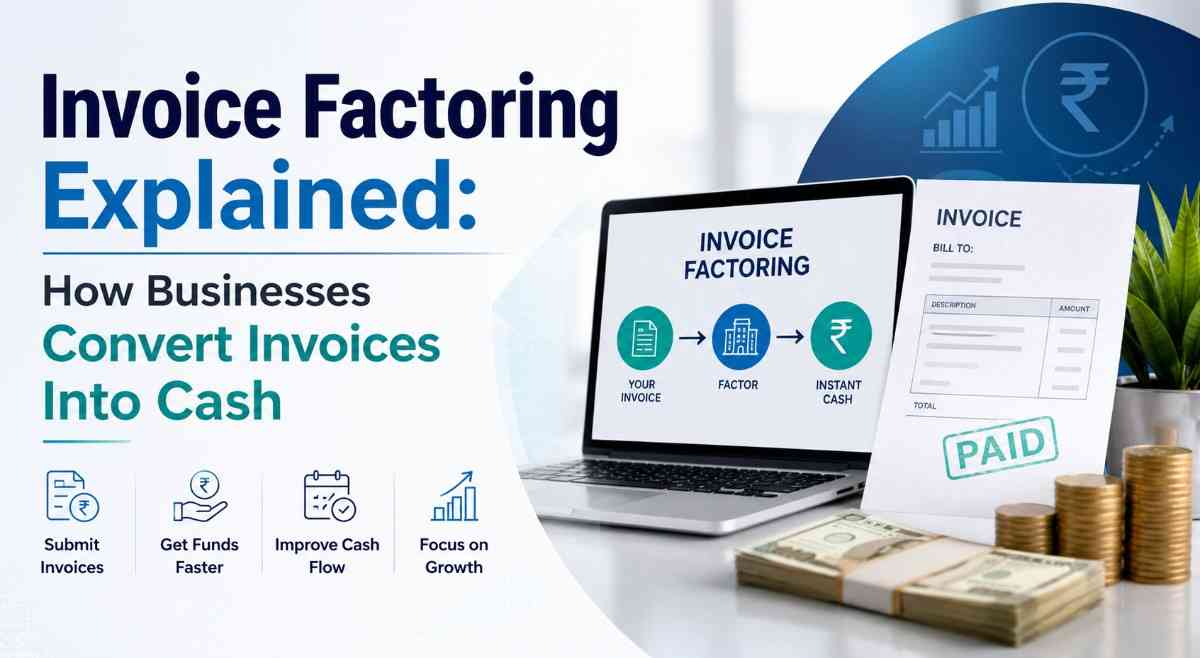
Invoice factoring and accounts-receivable financing convert unpaid invoices into immediate cash. Merchant cash advances provide funds based on future sales, often at higher effective costs.
Microloans and alternative lenders
Microloans suit very small businesses and startups. Online and alternative lenders may offer faster decisions and fewer formal requirements but can charge higher fees or rates.
How lenders evaluate applications
Credit history and credit score
Business and personal credit histories influence approval and pricing. Lenders review payment history, public records, and credit utilization.
Cash flow and debt service coverage
Projected and historical cash flow shows the business's ability to meet principal and interest payments. Debt service coverage ratio (DSCR) is a common metric.
Collateral and guarantees
Secured loans require collateral such as equipment, real estate, or receivables. Many small-business loans also require a personal guarantee from owners.
Business plan and industry factors
Lenders consider the business model, market conditions, management experience, and industry risk when underwriting a loan.
Costs, terms, and repayment
Interest rates and APR
Interest is the primary cost; annual percentage rate (APR) includes interest plus certain fees expressed as an annualized rate for comparison. Rates depend on creditworthiness, loan type, and market conditions.
Fees and prepayment terms
Origination fees, application fees, late fees, and prepayment penalties may apply. Understand fee schedules before signing an agreement.
Repayment schedules and amortization
Repayment may be structured as amortizing monthly payments, interest-only periods followed by principal payments, or variable repayments tied to sales (for certain products). Amortization affects how quickly principal is reduced.
Choosing the right financing option
Match the loan to the need
Short-term working capital needs are often best met with lines of credit or short-term loans; long-term investments generally fit term loans or equipment financing.
Compare total cost and flexibility
Evaluate APR, fees, borrowing limits, covenants, and the flexibility to prepay or draw additional funds. Factor in timing and the lender's servicing reputation.
Documentation and preparation
Common documents include financial statements, tax returns, business licenses, ownership records, and a clear explanation of how funds will be used. Preparing these in advance speeds review.
Regulatory and consumer protections
Borrowers should be aware of disclosures and protections enforced by financial regulators. In many jurisdictions, consumer-finance rules and banking regulators set disclosure standards and oversee lender practices. When evaluating lenders and loan offers, checking guidance from relevant government agencies and regulators can help clarify rights and obligations.
Frequently asked questions
What are business loans and how do they work?
Business loans provide funds to a company that must be repaid according to agreed terms, usually with interest. Structures vary by loan type, collateral, repayment schedule, and lender requirements.
How much can a small business borrow?
Borrowing capacity depends on cash flow, collateral, credit history, lender policy, and, in some programs, the size and age of the business. Lenders use underwriting models to set limits.
What is the difference between secured and unsecured loans?
Secured loans are backed by collateral that the lender may seize if payments are missed. Unsecured loans do not require collateral but typically have higher rates and stricter credit requirements.
Where can businesses find reliable information and assistance?
Official government agencies, banking regulators, and nonprofit small-business support organizations provide educational resources, counseling, and program information. In the U.S., the SBA and local small-business development centers are common starting points.
How can a business improve its chances of approval?
Improving financial documentation, demonstrating stable cash flow, reducing outstanding debt, establishing business credit, and preparing a clear plan for fund use can strengthen an application.
For regulatory details and program options, consult official agency guidance and a qualified financial advisor or accountant for analysis specific to a particular situation. References in this guide include commonly used regulatory sources for borrower education and lender standards such as banking regulators and consumer protection agencies.