Business Trip Massage Guide: Restore Energy and Comfort on the Road
-

- May 01st, 2026
- 1,719 views

FREE SEO Topical Map Generator: Find Your Next Content Ideas
Business trip massage can help reduce travel fatigue, ease neck and back tension from long flights, and support alertness for meetings. This guide explains what to expect, how to find qualified therapists, safety considerations, booking and expense tips, and simple self-care techniques suitable for short breaks between appointments.
- Business trip massage offers short, targeted treatments—often chair or table sessions—designed to reduce travel-related stiffness and stress.
- Verify therapist credentials and local licensing; consider industry organizations for standards.
- Prioritize modesty, clear communication about goals, and awareness of contraindications; employers may have reimbursement policies.
Business trip massage: definition and when to use it
A business trip massage is typically a brief, focused therapeutic session scheduled while traveling for work. Sessions can range from 10 to 60 minutes and commonly use seated (massage chair) or table formats concentrated on the neck, shoulders, back, and hands. Travelers often choose this option after long flights, extended driving, or during multi-day conferences to restore comfort and reduce stiffness.
Benefits for the weary traveler
Reduced muscle tension and improved posture
Targeted techniques relieve tight muscles commonly caused by prolonged sitting and poor posture in planes, trains, or cars. Loosening neck and shoulder muscles can help reduce headaches and improve comfort during long workdays.
Stress reduction and mental refresh
Short massage sessions may lower perceived stress and promote a sense of relaxation that supports focus and productivity. For intensive travel schedules, a brief session can act as a reset between meetings.
Improved circulation and reduced swelling
Techniques that encourage lymphatic and blood flow can reduce the feeling of heaviness in legs after long flights and support faster recovery from travel-related inactivity.
Types of business trip massage and what to expect
Chair massage
Delivered fully clothed on a portable chair, chair massage focuses on the upper back, neck, shoulders, and arms. Typical appointments are 10–30 minutes and suitable for hotels, airports, or convention halls.
Table massage (short session)
On a massage table, therapists can work on the entire back and may include glutes and legs. Sessions for travelers are often abbreviated to 30–45 minutes.
Targeted techniques
Common modalities used for short work-oriented sessions include myofascial release, trigger-point therapy, and gentle Swedish strokes. Some therapists offer specialized services for jet lag relief or pre-/post-flight care.
Finding qualified therapists and verifying credentials
Check licensure and professional associations
Massage therapist licensing varies by jurisdiction. When possible, confirm state or local licensure and look for membership in reputable professional groups. Industry organizations maintain standards of practice and directories of practitioners; for national-level guidance and resources, consult the American Massage Therapy Association.
Ask practical questions before booking
Confirm session length, location (in-room, hotel spa, or on-site), therapist qualifications, sanitation procedures, and cancellation policy. Request a brief intake about health conditions and any contraindications prior to the appointment.
Safety, hygiene, and contraindications
Basic hygiene and infection control
Expect hand-washing or sanitizing before and after sessions, clean linens, and appropriate surface disinfection. If a therapist offers in-room services, verify they follow the hotel or facility infection-prevention policies.
When to avoid or modify massage
Certain acute medical conditions, recent surgery, active infections, uncontrolled high blood pressure, or deep vein thrombosis risk may require postponing or modifying treatments. Therapists should obtain a health history and refer to local regulations or a licensed medical professional when unsure.
Booking, workplace policies, and expenses
Booking options
Common booking channels include hotel spa reservations, on-site event services, local clinics, and mobile therapists who travel to the room or meeting space. For conferences, check whether the event venue provides therapist vendors.
Employer reimbursement and expense reporting
Employer policies vary regarding business travel wellness expenses. Check corporate travel and expense policies before booking. Keep receipts and invoices that document date, duration, and provider details for reimbursement or accounting purposes.
Practical etiquette and tips for a smooth session
Communication and modesty
Clearly state preferences about pressure level and areas to avoid. Respect therapist guidance on draping and undressing; short sessions often use seated formats that require no disrobing.
Timing and preparation
Schedule sessions to allow time for check-in and a brief intake. Avoid heavy meals immediately before a treatment and allow a few minutes after the session to rehydrate and reorient before meetings.
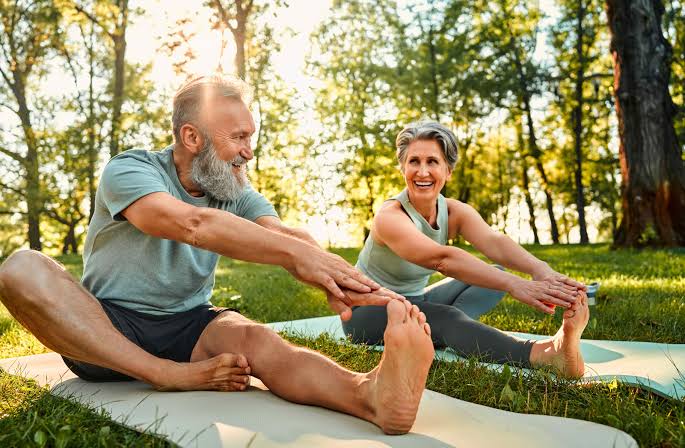
Quick self-massage and stretch techniques for travel
- Neck tilt and gentle rotations to relieve stiffness.
- Shoulder rolls and scapular squeezes to improve posture.
- Hand and forearm squeezes for those who type or use devices frequently.
- Calf and ankle pumps during flights to support circulation.
Bottom line: integrating massage into a travel routine
Short, intentional massage sessions can be a practical component of a business travel wellness strategy. When selecting services, verify credentials, communicate needs and limitations, and follow basic hygiene and safety guidance. Combining professional sessions with simple self-care and movement helps reduce travel-related discomfort and supports readiness for work obligations.
FAQ: Is a business trip massage safe during travel?
Safety depends on individual health, the therapist's qualifications, and adherence to hygiene protocols. Provide a clear health history during intake and follow therapist guidance regarding modifications.
FAQ: How long should a business trip massage last?
Common lengths are 10, 15, 20, 30, or 45 minutes; choose based on time available and areas needing attention. Shorter sessions are effective for targeted relief.
FAQ: Business trip massage — will my employer cover it?
Coverage depends on employer policy. Some organizations allow wellness or travel-related expenses; keep receipts and confirm approval before booking.
FAQ: How to find a licensed therapist while traveling?
Search local licensing boards, professional association directories, hotel spa listings, or vetted mobile therapist services. Verify credentials and contact the therapist to discuss experience with travel-focused treatments.
FAQ: What should be avoided after a short travel massage?
Avoid heavy alcohol use immediately after treatment and plan light activity and hydration. If any unusual pain or adverse reaction occurs, contact a healthcare provider.