How to Buy IPTV in the Netherlands: Legal, Technical, and Practical Guide
-

- Published Updated
- 2,355 views

This guide explains the main points to consider when buying IPTV in the Netherlands, including legal context, technical requirements, device options, and how to evaluate providers. The term IPTV refers to television content delivered over an internet connection rather than traditional broadcast or cable networks.
Quick summary
- Confirm legal status: licensed content and copyright compliance are key.
- Check technical needs: bandwidth, router and device compatibility, and streaming formats.
- Compare provider features: channel list, on-demand library, EPG, and DRM support.
- Consider security and privacy: encryption, account protection, and payment options.
- Use official regulator resources for consumer questions and complaints.
Buying IPTV in the Netherlands: legal and practical overview
When buying IPTV in the Netherlands, understanding the legal framework and consumer protections is important. The Netherlands enforces copyright law and regulates broadcasting and consumer rights through national laws and EU directives. Consumers should prefer services that clearly state licensing for channels and on-demand content to avoid unlicensed or infringing streams.
Legal considerations and consumer protections
Copyright and licensed content
IPTV services that distribute television channels, films, or sports events must have rights from copyright holders. The Dutch Copyright Act (Auteurswet) and EU regulations influence enforcement. Using or subscribing to services that offer copyrighted content without rights can expose users to legal and service interruptions.
Consumer rights and complaints
Services operating in the Netherlands must follow consumer protection rules such as clear pricing, cancellation terms, and transparent subscription details. For questions about market conduct or unfair practices, refer to the national regulator Autoriteit Consument & Markt (ACM): Autoriteit Consument & Markt (ACM). That agency provides guidance on consumer rights in digital services.
Technical requirements and performance
Internet connection and bandwidth
IPTV quality depends heavily on the internet connection. For standard-definition streams, 3–5 Mbps per stream is typical; for HD, 5–10 Mbps; and for 4K, 25 Mbps or more may be required. Account for other household uses and multiple simultaneous streams when selecting broadband speeds from an internet service provider (ISP).
Network setup and router considerations
Use a modern router with support for QoS (Quality of Service) and stable Wi‑Fi standards (at least 802.11ac) or a wired Ethernet connection for best reliability. Some IPTV setups use multicast, which can be sensitive to home network configuration; check whether the provider uses multicast or unicast streaming and whether special router settings are needed.
Streaming formats and DRM
Providers may use various streaming technologies (HLS, MPEG‑DASH) and digital rights management (DRM) systems. Confirm device compatibility and that the service supports the required DRM to access protected content.
Devices and installation
Smart TVs and streaming apps
Many IPTV providers offer apps for smart TVs (webOS, Tizen, Android TV) or web-based players. Verify that the preferred TV brand is supported and that the app offers features such as an electronic program guide (EPG) and on-demand library.
Set-top boxes, Android TV boxes, and media players
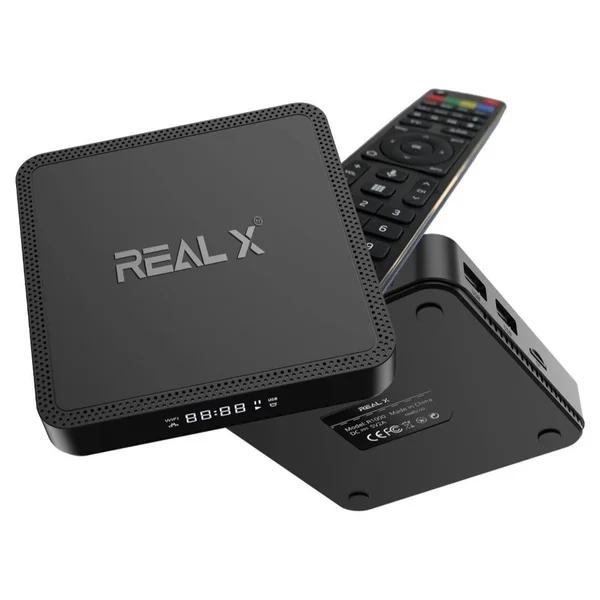
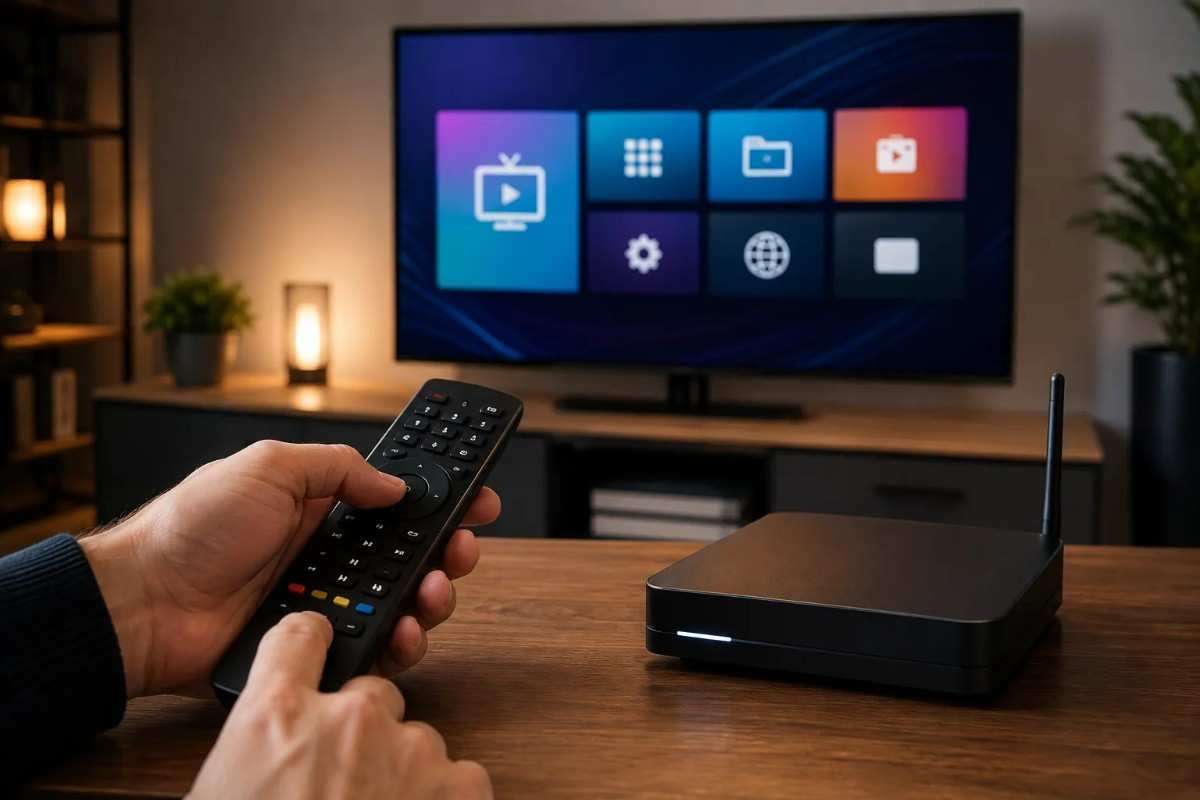
Set-top boxes or Android TV devices can provide a stable platform and often include a unified interface for live TV, catch-up, and recordings. For open platforms, check for firmware updates and security patches from device manufacturers.
Choosing a provider and comparing plans
What to compare
- Channel lineup and regional content availability
- On-demand library and catch-up features
- Simultaneous streams and device limits
- Contract length, trial periods, and cancellation terms
- Customer support options and service status reporting
Pricing models
Providers may offer monthly subscriptions, annual plans, or pay-per-view models. Some packages bundle premium channels or sports content at higher prices. Compare total cost, including equipment rental or one-time setup fees.
Security, privacy, and safe payment
Account security
Use strong, unique passwords and enable two-factor authentication if available. Watch for account-sharing rules in the terms of service to ensure compliance with provider policies.
Privacy and data handling
Review the provider’s privacy policy for information about data collection, retention, and sharing. Prefer services that minimize personal data collection and support secure payment methods (credit card, reputable payment processors).
Troubleshooting common problems
Buffering and quality drops
Check internet speed, switch to a wired connection, close other high-bandwidth applications, and verify router QoS settings. If issues persist, contact the provider to check for server-side problems or regional congestion.
App or device compatibility issues
Ensure apps are up to date and device firmware is current. Clearing app caches or reinstalling an app can resolve playback errors on some platforms.
Summary and best practices
Select services that clearly disclose licensing, technical requirements, and consumer terms. Confirm device compatibility, secure account practices, and sufficient broadband capacity before subscribing. For unresolved consumer issues, consult national consumer authorities and official regulators.
Frequently asked questions
Is buying IPTV in the Netherlands legal?
Buying IPTV is legal when the service distributes licensed content and complies with copyright and consumer laws. Avoid services that openly advertise unlicensed or pirated channel lists.
What internet speed is needed for IPTV?
Typical requirements are 3–5 Mbps for SD, 5–10 Mbps for HD, and 25 Mbps or more for 4K per simultaneous stream. Higher speeds are recommended for households with multiple users.
Which devices work best with IPTV?
Smart TVs with native apps, dedicated set-top boxes, Android TV devices, and streaming media players commonly provide reliable IPTV playback. Wired Ethernet connections usually offer the best performance.
How can consumers report problems with a provider?
First contact the provider’s customer support. For unresolved complaints about consumer rights or market conduct, the national regulator Autoriteit Consument & Markt (ACM) provides information and complaint channels for digital service issues.