Calf Size Reduction in Riyadh: Procedures, Recovery, Costs & Expectations
-

- February 26th, 2026
- 546 views

FREE SEO Topical Map Generator: Find Your Next Content Ideas
Calf Size Reduction Riyadh: Top Procedures and What to Expect
This guide explains calf size reduction Riyadh options, how each procedure works, expected recovery and realistic results. It helps compare surgical and non-surgical choices, lists safety checks, and gives practical steps for selecting a qualified provider in the Riyadh market.
- Surgical options (calf reduction surgery Riyadh) include selective muscle resection, partial gastrocnemius removal, and liposuction for fat-dominant calves.
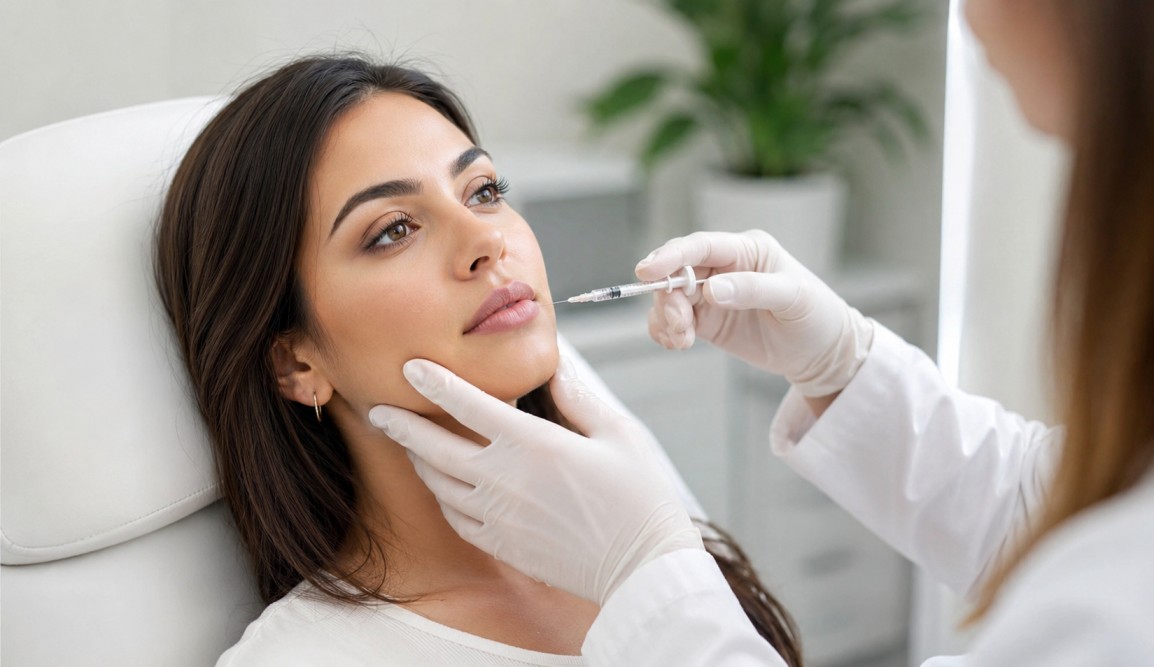
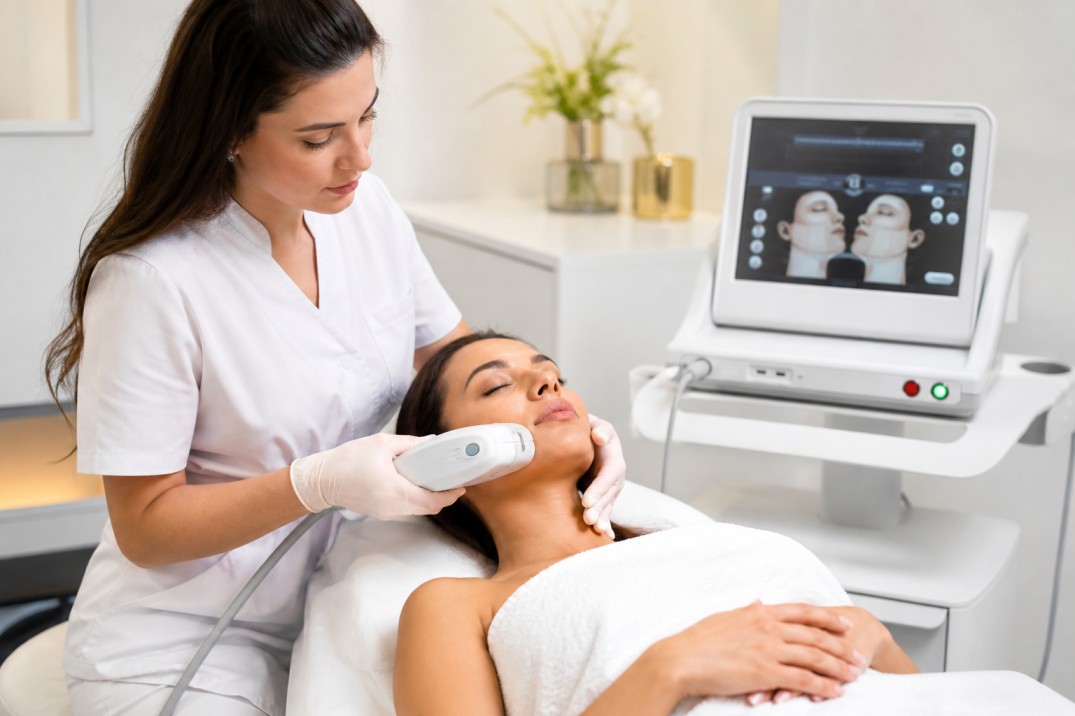
- Non-surgical choices (non-surgical calf slimming Riyadh) include botulinum toxin injections, radiofrequency, and focused ultrasound—less downtime but more gradual or temporary results.
- Recovery ranges from days (non-surgical) to 2–6 weeks (surgical) for everyday activity; full contour can take months.
- Follow a checklist (CALF CARE Checklist) and verify credentials, facility accreditation and complication protocols before booking.
Detected intent: Informational
How calf size reduction works: surgical and non-surgical options
Calf size reduction Riyadh treatments target one of three contributors to calf bulk: muscle, fat, or skin. Choosing the right approach depends on anatomy, goals, and tolerance for downtime.
Calf reduction surgery Riyadh: surgical options
Surgical methods address muscular or fatty volume. Common procedures include selective gastrocnemius muscle partial resection or debulking, and liposuction for fat-dominant calves. Surgery provides predictable, often permanent changes but requires general or regional anesthesia, a brief hospital stay in some clinics, and longer recovery.
Non-surgical calf slimming Riyadh: botox, energy devices, and fat reduction
Non-surgical approaches are less invasive: botulinum toxin injections weaken the gastrocnemius to reduce muscle bulk over weeks; radiofrequency and focused ultrasound can tighten skin and reduce small fat deposits. Results may be temporary and often need repeat treatments.
Combination approaches and choosing between them
Some cases benefit from a combined plan—liposuction to remove fat plus botox to slim muscle contours. Decision factors include desired permanence, recovery window, and vascular or nerve anatomy that may affect safety.
Safety standards and credentials
Confirm that the surgeon or clinician is licensed and that the facility follows accredited surgical safety standards. International and local standards from recognized organizations improve outcome predictability and safety. For general guidance on plastic surgery safety and qualifications, consult a recognized professional body such as the American Society of Plastic Surgeons.
CALF CARE Checklist (named framework)
Use this practical checklist to evaluate providers and prepare for treatment:
- Credentials: Confirm surgeon registration and board certification.
- Assessment: Ask for a physical exam and pre-op imaging or photos.
- Logistics: Verify anesthesia plan, facility accreditation, and emergency protocols.
- Financials: Get a detailed quote including follow-ups and potential revision costs.
- Consent: Receive written consent, risks, and realistic outcome examples.
- Aftercare: Confirm post-op instructions, compression garments, and follow-up schedule.
- Rehab: Clarify activity restrictions and physiotherapy needs.
- Expected timeline: Understand recovery milestones and when final results appear.
What to expect: timeline, recovery, and results
Expectations vary by method. Non-surgical calf botox Riyadh injections typically show noticeable softening in 2–8 weeks and require repeat injections every 6–12 months. Surgical calf procedures often require 1–3 weeks before returning to light activity and up to 6–12 weeks for more active routines; swelling and scar maturation occur over months.
Common complications and trade-offs
Trade-offs include permanence versus downtime. Surgery can deliver more permanent recontouring but carries higher risk of infection, nerve injury, or unsatisfactory scarring. Non-surgical methods reduce immediate risk and downtime but may need repeat treatments and deliver more modest change. Common mistakes include selecting a provider based solely on price, ignoring vascular or nerve mapping, and skipping a realistic-photo consultation.
Real-world example
Scenario: A 34-year-old resident in Riyadh with prominent medial gastrocnemius muscles who prefers minimal time off chose a staged plan: botulinum toxin to test cosmetic effect followed by liposuction in areas with fatty deposits. The botox produced visible narrowing after 6 weeks; liposuction later refined contour. Recovery for the liposuction stage included compression for 4 weeks and gradual return to exercise at 6 weeks.
Practical tips before booking treatment
- Request before-and-after photos of the exact procedure and ask for patient references or reviews specific to calf work.
- Ask the provider to explain alternatives and why a specific technique fits the anatomy and goals.
- Confirm all costs in writing, including anesthesia, facility fees, garments, and expected follow-up visits.
- Plan schedules around recovery windows—surgical options may require 2–6 weeks away from strenuous work or exercise.
- Follow pre-op instructions: smoking cessation, medication review, and realistic weight stabilization improve outcomes.
Costs and typical price ranges in Riyadh
Costs vary widely by clinic, surgeon experience, facility, and chosen technique. Non-surgical treatments generally cost less per session but may add up over time. Surgical procedures carry higher single-event costs that include anesthesia and facility fees. Request a written estimate and compare what is included rather than only the headline price.
Core cluster questions (for related articles or internal links)
- How does botulinum toxin slim calves and how long does it last?
- What are the surgical techniques for calf muscle reduction and their risks?
- How to choose between liposuction and muscle-focused procedures for calf contouring?
- What is the recovery timeline after calf reduction surgery?
- How to prepare for a calf reduction consultation and what questions to ask?
Common mistakes when pursuing calf size reduction
Relying on photos without clinical assessment
Photos can mislead; a hands-on assessment identifies muscle versus fat cause, scar placement, and vascular concerns.
Underestimating rehabilitation
Not planning for post-op compression, physiotherapy or temporary activity restrictions can slow recovery and affect final shape.
Next steps and making a decision
Book a consult with a qualified, licensed plastic surgeon or experienced specialist who offers an in-person anatomical evaluation. Use the CALF CARE Checklist to compare options, confirm safety protocols, and get a written plan with timelines and costs before committing.
Frequently asked questions
Is calf size reduction Riyadh surgery safe and who is a candidate?
Safety depends on the patient's health, accurate diagnosis of calf composition (muscle vs fat), and the provider's experience. Candidates are adults in good general health with realistic expectations and no medical contraindications. Preoperative assessment should include vascular and nerve risk evaluation.
How long do results last with botox versus surgery?
Botox typically gives 6–12 months of effect and requires repeat injections for maintenance. Surgical change to muscle or permanent liposuction removal is usually long-lasting, though natural aging and weight changes can alter appearance over time.
What is the typical recovery timeline after calf reduction surgery?
Expect light activity within days, return to non-strenuous work within 1–2 weeks, and gradual return to full exercise in 4–8 weeks. Swelling and contour refinement can continue for several months.
Can non-surgical treatments like radiofrequency replace surgery?
Non-surgical treatments can improve skin laxity and reduce small fat pockets but are less effective for large muscular bulk. They are best for mild to moderate contouring or as adjuncts to surgical plans.
How to verify a clinic’s credentials and safety standards?
Confirm surgeon or clinician licensing, ask about facility accreditation, review anesthesia and emergency protocols, and request written consent detailing risks. Consult professional association resources for credential verification.