California Muscle Car Finder: Buy, Events, and Registration Guide
-

- Published Updated
- 1,522 views
Introduction
Locating American muscle cars in California can be rewarding for collectors, restorers, and performance enthusiasts. This guide explains where to look for classic and modern muscle cars, what to expect from private and commercial sales, and the state rules that affect ownership and registration.
- Search private classifieds, specialty dealerships, auctions, and car shows to find a wide range of muscle cars.
- Expect registration, smog, and historical plate rules from the California Department of Motor Vehicles and emissions testing from the Bureau of Automotive Repair.
- Inspect vehicles for rust, VIN history, and mechanical condition; use vehicle history reports and professional inspections when possible.
American muscle cars in California: Where to look
Popular search channels for American muscle cars in California include private classifieds, classic car dealers, organized auctions, enthusiast meetups, and online marketplaces. Each channel typically offers different price ranges, transparency levels, and selection depth.
Private sellers and classified listings
Private sellers often list restored or driver-condition vehicles on regional classifieds and online marketplaces. Advantages include lower asking prices and negotiability; disadvantages include variable disclosure and limited inspection options. When buying from a private seller, request the vehicle title, maintenance records, and a current smog certificate if required by state law.
Specialty dealerships and consignment lots
Dealerships that specialize in classic and performance cars offer curated inventories and often provide limited warranties or vehicle histories. Consignment lots list cars on behalf of owners and may handle documentation and marketing. Expect higher prices but more predictable transactions and a chance to see pre-sale inspections.
Auctions and online bidding
Public and collector auctions—both live and online—are common ways to acquire rare or highly desirable muscle cars. Auctions can yield bargains or premium prices depending on competition. Review auction terms, buyer's fees, and transport logistics before bidding. For large or notable auctions, vehicle condition reports and provenance documentation are usually available.
Car shows, swap meets, and enthusiast clubs
Local car shows and swap meets are practical for meeting private owners and learning about cars before they go to market. Classic car clubs and regional enthusiast groups can provide leads, restoration referrals, and advice on model-specific issues. Clubs are also good sources for authentic parts and period-correct restoration guidance.
Restoration shops and parts suppliers
Shops that restore muscle cars sometimes sell trade-in projects or completed restorations. Visiting restoration facilities can reveal cars not yet listed publicly. Parts suppliers and repro vendors often maintain networks of sellers and can point to available projects.
Inspecting and evaluating a muscle car
Vehicle history and VIN checks
Check the VIN for title history, odometer records, and salvage or theft reports. A vehicle history report helps validate mileage and past damage. For older vehicles, research matching numbers and documentation for engine and transmission if originality affects value.
Rust, frame, and structural issues
California's coastal humidity and historic road treatments can accelerate corrosion. Inspect floors, trunk pans, quarter panels, and suspension mounts for rust repairs or structural compromise. Professional inspectors or restoration shops can identify hidden corrosion and frame repairs.
Mechanical condition and test drive
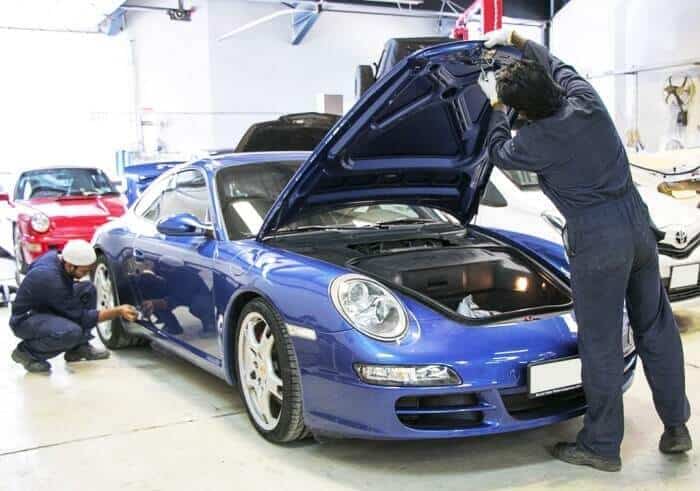
Assess engine performance, transmission shifting, braking, and suspension. Test drives should include highway speeds if possible. For high-value purchases, consider a pre-purchase inspection from an independent mechanic experienced in classic cars.
Registration, smog, and title considerations in California
Ownership and registration of muscle cars in California are governed by state rules on titles, emissions, and historical vehicle designations. Expect requirements for a clear title and, in many cases, a smog inspection. For authoritative guidance on registration and title transfers, consult the California Department of Motor Vehicles' official resources: California DMV. Additional technical guidance on emissions standards is available from the Bureau of Automotive Repair and the U.S. National Highway Traffic Safety Administration (NHTSA).
Smog exemptions and historical plates
Some older vehicles may qualify for special or historical registration categories, which can affect smog testing requirements and usage limitations. Check eligibility criteria for collector or historical plates before purchasing if reduced emissions testing is a factor.
Import, modification, and safety compliance
Modified vehicles or those imported from outside the U.S. may need inspections to verify safety compliance, emissions control equipment, and accurate documentation for title issuance. Keep records of modifications and parts used during restoration to aid in registration.
Payment, transport, and insurance
Secure payment and transfer
Use traceable payment methods and ensure the title is properly signed and transferred at the time of sale. For higher-value transactions, escrow services and written sales agreements help reduce risk.
Shipping and storage
Arrange transport through carriers experienced with classic cars. Consider environmental controls for long-term storage, and document vehicle condition before shipment.
Insurance for classic cars
Classic car insurance often differs from standard auto policies. Look for agreed-value policies and usage terms that suit occasional driving, shows, and restoration work.
Local resources and communities
California hosts many regional clubs, restoration shops, and specialty dealers focused on muscle cars. State and national organizations such as the SEMA (Specialty Equipment Market Association) and classic car clubs provide events and technical resources. Local swap meets, regional auctions, and club meetups are practical ways to find vehicles and build a network.
FAQs
Where can I find American muscle cars in California?
Search private classifieds, specialty dealerships, online auctions, and enthusiast events. Clubs, swap meets, and restoration shops also frequently list cars for sale. Combine online research with in-person inspections to find the best options.
Do older muscle cars need smog checks in California?
Smog requirements depend on a vehicle's model year and registration status. Some older or historically registered vehicles may qualify for exemptions or different testing schedules. Confirm current rules with the California DMV and the Bureau of Automotive Repair.
What should be inspected before buying a classic muscle car?
Key items include VIN and title history, rust and frame condition, engine and transmission performance, and documentation of past repairs or restorations. A professional pre-purchase inspection is recommended for high-value or unusual vehicles.