Microfiber Car Drying Towels vs Chamois: Which Wins?
-

- April 15th, 2026
- 5,831 views

FREE SEO Topical Map Generator: Find Your Next Content Ideas
If you care about your car’s finish, drying matters just as much as washing. This is where most people make mistakes. They spend time cleaning their car, then ruin the finish with the wrong drying tool.
So here’s the real question:
Should you use microfiber car drying towels or a traditional chamois?
Both have been around for years. Both claim to give you a spotless, streak-free finish. But when you compare cost, performance, durability, and safety, the gap becomes obvious.
Let’s break it down in a way that actually helps you make the right decision.
What Is a Microfiber Car Drying Towel?
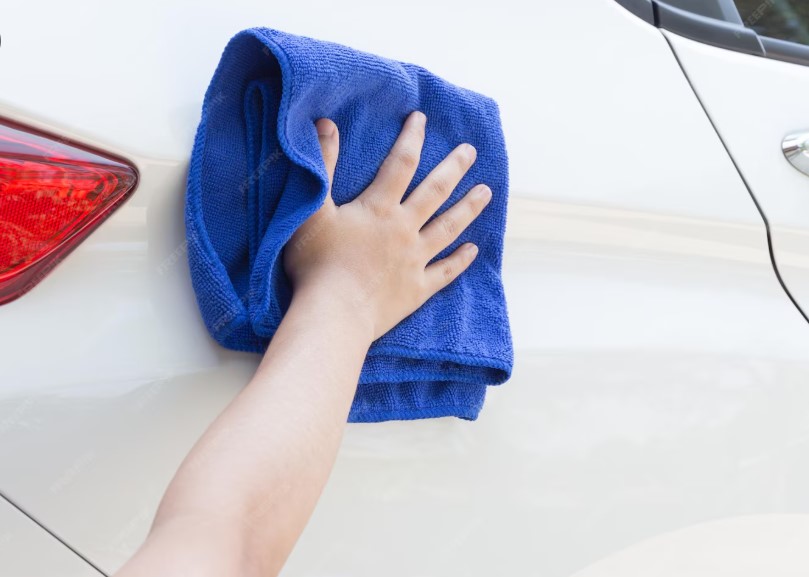
A microfiber car cleaning cloth is made from ultra-fine synthetic fibers designed to trap water, dirt, and dust without scratching your car’s surface.
High-quality microfiber towels for cars—like those available at
👉 https://ecofineproducts.com/product/microfiber-car-cleaning-cloth/are built for professional-level detailing, even if you’re just cleaning your car at home in Texas.
Why Microfiber Works So Well:
It absorbs 7–10x its weight in water
It lifts dirt instead of dragging it across paint
It reduces swirl marks and scratches
It works on paint, glass, and interiors
This is why professional detailers don’t mess around with cheap alternatives anymore.
What Is a Chamois?
A chamois (often called “shammy”) is a traditional drying cloth made from natural leather or synthetic material. It has been used for decades in car care.
What Chamois Does Well:
Absorbs water quickly
Leaves minimal streaks if used correctly
Where It Struggles:
Needs constant wringing
Can drag dirt across paint
Requires more maintenance
Loses softness over time
Here’s the truth: chamois isn’t bad—it’s just outdated compared to modern microfiber technology.
Microfiber Towels vs Chamois: Side-by-Side Comparison
Feature |
Microfiber Towels for Cars |
Chamois |
Absorbency |
Very high |
High |
Scratch Risk |
Low (safe on paint) |
Higher if dirt present |
Ease of Use |
No wringing needed often |
Requires frequent wringing |
Durability |
Long-lasting, washable |
Wears out faster |
Maintenance |
Easy machine wash |
Needs careful cleaning |
Versatility |
Multi-use (paint, glass, interior) |
Mostly drying only |
Cost Value |
Better long-term |
Lower upfront, higher replacement |
Why Microfiber Towels Win in Real Use
1. Better Protection for Paint
Microfiber towels lift dirt into their fibers. Chamois drags it across your car.
That’s the difference between a clean finish and swirl marks.
2. Faster Drying
A super absorbent car drying towel can dry an entire vehicle without constant wringing.
3. Less Effort
Microfiber glides smoothly. Chamois sticks when it gets dry.
4. Multi-Purpose Use
Use microfiber for:
Drying
Polishing
Interior cleaning
Glass wiping
Pros and Cons: Honest Breakdown
Microfiber Car Drying Towels
Pros:
Scratch-free cleaning
Highly absorbent
Durable and reusable
Easy to maintain
Professional results
Cons:
Slightly higher upfront cost
Cheap microfiber towels can be low quality
Chamois Towels
Pros:
Good water absorption
Lower initial cost
Cons:
Can damage paint if misused
Requires frequent wringing
Less durable
Limited use
Cost vs Performance: What Actually Matters
Let’s talk money, because that’s what you really care about.
Upfront Cost:
Cheap microfiber towels: $3–$5
High quality microfiber towels: $8–$20
Chamois: $10–$25
Long-Term Value:
Microfiber lasts hundreds of washes
Chamois needs replacement sooner
A cheap towel that scratches your paint will cost you more in polishing or repainting.
Spending a little more on a high-quality microfiber car cleaning cloth saves money long-term.
How to Choose the Best Towel to Dry Your Car
If you’re serious about results, don’t just buy anything labeled “microfiber.”
High GSM (thicker = better absorption)
Soft edges (no scratches)
Large size for full coverage
Trusted brand quality
These towels are designed for durability, performance, and safe drying, especially in Texas weather conditions.
Step-by-Step: How to Dry Your Car Properly
Wash your car thoroughly
Rinse off all soap
Use a clean microfiber drying towel
Gently place and drag—don’t scrub
Start from top, move downward
Flip towel to a dry side when needed
Never use a dirty towel. That’s how scratches happen.
Real Customer Insights (Market Reality)
Switched from chamois to microfiber. Huge difference in shine.
No more streaks. My car dries faster now.
EcoFine microfiber towels feel premium and last long.
The trend is clear. The market has already moved toward microfiber for a reason.
When Should You Use Chamois?
Let’s be fair. Chamois still has limited use cases:
Quick drying for older vehicles
Low-budget situations
Backup option
But if you care about paint protection, microfiber wins every time.
People Also Ask:
1. What is the best towel to dry a car without scratching?
A high-quality microfiber drying towel is the safest option. It lifts dirt and prevents scratches.
2. Are microfiber towels better than chamois?
Yes. Microfiber offers better absorbency, durability, and paint protection.
3. Can cheap microfiber towels damage car paint?
Yes. Low-quality microfiber can scratch surfaces. Always choose high-quality towels.
FAQs:
Q1: How long do microfiber car towels last?
A: With proper care, they can last hundreds of washes.
Q2: Can I wash microfiber towels in a washing machine?
A: Yes. Use mild detergent and avoid fabric softeners.
Q3: Are microfiber towels safe for all car surfaces?
A: Yes. They work safely on paint, glass, chrome, and interiors.
Final Verdict:
If you want cheap and basic, go with chamois
If you want safe, fast, and professional results, go with microfiber
There’s a reason professionals don’t debate this anymore.
Microfiber car drying towels win—on performance, durability, and value.