How Carpet Cleaning Reduces Allergens and Improves Indoor Air Quality
-

- February 23rd, 2026
- 1,379 views

FREE SEO Topical Map Generator: Find Your Next Content Ideas
Carpet cleaning and allergen reduction are closely linked: cleaning methods can remove or reduce common indoor allergens such as dust mite feces, pet dander, pollen, and mold spores that accumulate in carpet fibers and padding. Understanding how different cleaning practices affect allergen levels helps occupants choose effective approaches and reduce exposure that can affect indoor air quality.
Regular carpet cleaning—combining vacuuming with high-efficiency filtration, periodic deep cleaning (hot water extraction or steam cleaning), and moisture control—reduces allergen reservoirs in carpets. Effectiveness depends on technique, frequency, vacuum filtration (HEPA), moisture management, and addressing sources like pets and outdoor tracking. Official guidance from public health organizations emphasizes cleaning as one part of a broader indoor air quality strategy.
How carpet cleaning reduces allergens
Carpet fibers trap a range of allergens: dust mite particles, pet dander, pollen, insect fragments, and mold spores. Mechanical removal (vacuuming) and extraction (hot water or professional cleaning) reduce the concentration of these particulates. Removing surface and embedded particles lowers the likelihood that allergens will become airborne during normal activity, which can improve perceived air quality and reduce short-term exposure peaks.
Common indoor allergens found in carpets
Dust mites
Dust mites thrive in humid environments and feed on shed skin cells. Carpets provide abundant surface area and microenvironments where mites and their waste accumulate. Regular cleaning reduces the reservoir of mite allergens but will not eliminate mites entirely without combined humidity control.
Pet dander and hair
Pets shed dander and hair that lodge in carpet fibers. Frequent vacuuming with a high-efficiency vacuum and occasional deep cleaning help reduce the amount of pet-related allergenic material.
Mold spores
Moisture-damaged carpet and padding can support mold growth. Addressing water intrusion, drying wet materials promptly, cleaning affected carpets, and replacing contaminated padding where necessary are important for reducing mold allergen sources.
Effective cleaning methods and technologies
Vacuuming with HEPA filtration
High-efficiency particulate air (HEPA) vacuums remove finer particles than standard models. Frequent vacuuming (several times per week in high-traffic or pet areas) reduces surface allergen load. Ensure proper maintenance, such as replacing or cleaning filters and emptying bags/containers outdoors.
Hot water extraction (steam cleaning)
Hot water extraction, often called steam cleaning, uses heated water and agitation to loosen embedded dirt and allergens, followed by extraction to remove soils and moisture. When performed correctly, this method is effective at reducing allergen load. Allow carpets to dry thoroughly to prevent mold growth.
Dry cleaning and encapsulation
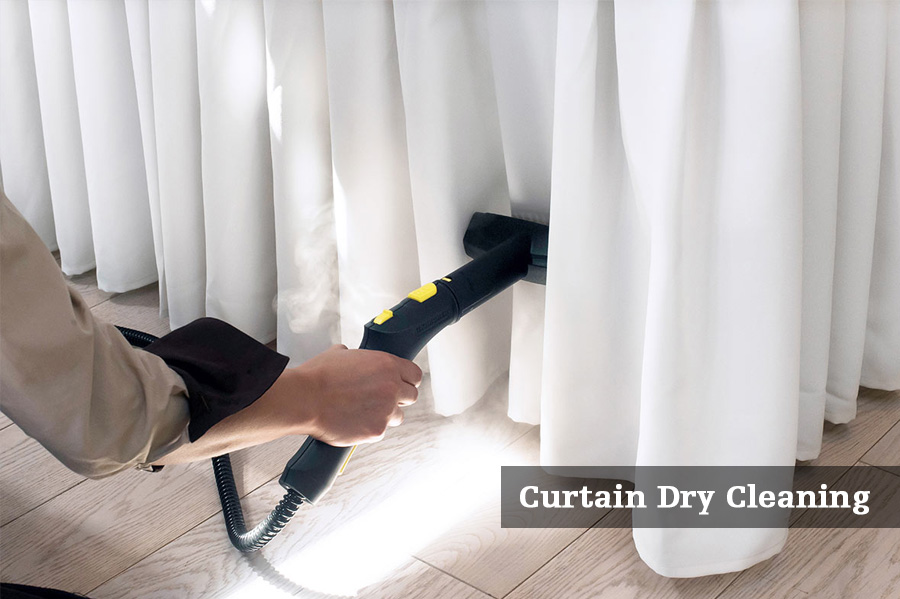
Dry cleaning methods or encapsulation products can bind soils for removal. These techniques may be useful where moisture is a concern, but results vary by product and application; follow manufacturer and professional guidance.
Professional cleaning frequency
Professional deep cleaning intervals depend on household conditions: recommended ranges commonly fall between 6 to 18 months. Homes with pets, allergy sufferers, or high foot traffic may benefit from more frequent deep cleaning combined with regular vacuuming and source control.
Complementary strategies to lower allergen exposure
Source control
Reducing indoor sources—bathing pets, using doormats, removing shoes, and storing allergen-prone items—reduces how much material reaches carpets in the first place.
Humidity and ventilation
Maintaining indoor relative humidity between about 30–50% discourages dust mites and mold. Adequate ventilation and HVAC maintenance, including using high-efficiency filters and cleaning ductwork as indicated, support overall indoor air quality.
Flooring choices and targeted cleaning
Hard flooring is less likely to trap allergens than carpets and can be easier to clean in some settings. In rooms where carpets remain, consider area rugs that can be laundered or removed for cleaning.
What research and official guidance say
Public health organizations and published studies note that cleaning reduces allergen reservoirs but is most effective when combined with source control and environmental management. For general indoor air quality guidance, the U.S. Environmental Protection Agency (EPA) provides resources on reducing indoor pollutants and moisture control: EPA Indoor Air Quality. The American Lung Association and other health organizations also offer information on reducing triggers for people with respiratory conditions.
Practical checklist for reducing carpet allergens
- Vacuum high-traffic areas 2–3 times per week with a HEPA-equipped vacuum.
- Schedule professional hot water extraction or equivalent deep cleaning every 6–18 months based on household conditions.
- Dry wet carpets within 24–48 hours to prevent mold growth; replace padding if contaminated.
- Control indoor humidity (30–50%) and address leaks or condensation promptly.
- Limit indoor shoe use and use entry mats to reduce tracked pollutants.
Limitations and realistic expectations
Cleaning reduces allergen levels but does not guarantee complete removal or elimination of symptoms. Individual responses vary, and cleaning is one component of a comprehensive approach that may include environmental controls and medical management for people with diagnosed allergies or asthma. Consultation with licensed health professionals is recommended for personal medical concerns.
Frequently asked questions
How often should carpets be cleaned to support carpet cleaning and allergen reduction?
Frequency depends on occupancy, pets, and sensitivity: general guidance recommends deep cleaning every 6–18 months and more frequent vacuuming; homes with allergy sufferers or pets may need more frequent interventions.
Does steam cleaning kill dust mites?
High-temperature steam cleaning can reduce dust mite numbers on the surface but may not reach all microenvironments where mites live. Combining steam cleaning with humidity control and regular cleaning improves results.
Can mold be removed from carpet?
Small, surface-level mold can sometimes be cleaned, but extensive contamination—especially involving padding—often requires removal and replacement of affected materials to prevent ongoing exposure.
Are HEPA vacuums necessary for allergy control?
HEPA filtration captures finer particles and reduces re-emission of allergens during vacuuming. While not strictly required in every setting, HEPA vacuums offer measurable benefits for households concerned about allergen exposure.