Cash for Cars Darwin: Environmental Effects and Paths to Vehicle Recycling
-

- Published Updated
- 2,003 views
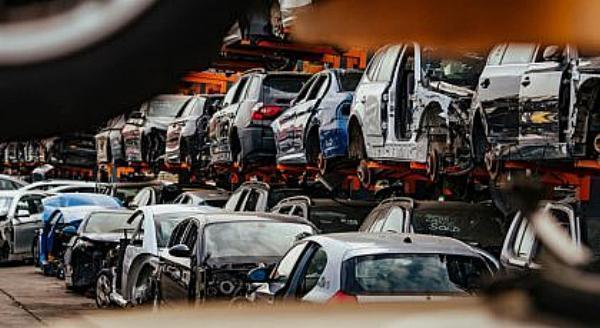
Cash for Cars Darwin services offer a route to remove end-of-life vehicles while generating material recovery and reducing long-term waste. Understanding the environmental impact of Cash for Cars Darwin helps residents, councils, and businesses assess benefits and risks associated with vehicle disposal, salvage, recycling, and hazardous material management.
Cash for Cars Darwin programs can divert metals and components from landfill, recover valuable resources, and lower demand for virgin materials. Environmental outcomes depend on proper fluid management, licensed recycling, transparent documentation, and local regulatory oversight. Consumers can improve results by choosing licensed recyclers and asking about end-of-life processing.
Cash for Cars Darwin: environmental footprint
Programs marketed as Cash for Cars Darwin influence several environmental pathways: resource recovery (steel, aluminium, glass), hazardous waste handling (oil, coolant, batteries), transport and processing emissions, and landfill avoidance. The net environmental footprint depends on whether vehicles are dismantled and recycled according to accepted standards, whether hazardous materials are captured, and how far vehicles are transported for processing.
How vehicle recycling works in Darwin
Collection and decommissioning
End-of-life vehicles are typically collected from homes or public yards, then brought to a dismantling facility. Decommissioning includes draining fuels and fluids, removing batteries and tyres, and documenting vehicle identity for regulatory compliance. Proper decommissioning minimizes spills of oil, petrol, brake fluid, and coolant—substances that can contaminate soil and waterways.
Materials recovery and scrap processing
After dismantling, reusable parts may be resold and the remaining shell is compacted for scrap metal recycling. Steel, aluminium, copper, and other metals are reclaimed through shredding and separation processes; recycled metal reduces the need for new mining and lowers greenhouse gas emissions compared with primary metal production.
Handling hazardous components
Vehicles contain hazardous items such as lead-acid batteries, mercury-containing switches, and electronic modules. Responsible operators isolate these items for specialist treatment. Batteries are typically recycled to recover lead and acid, while electronic waste requires appropriate recycling to prevent heavy metal and persistent organic pollutant releases.
Environmental benefits and trade-offs
Benefits
Key environmental benefits include reduced landfill use, recovery of metals and plastics for remanufacture, and decreased demand for virgin ore and petroleum-based feedstocks. Recycling metal from scrapped vehicles can save energy and reduce lifecycle greenhouse gas emissions compared with producing primary metals.
Trade-offs and risks
Trade-offs include emissions from towing and transport, energy used in shredding and processing, and the environmental cost of improper dismantling. If fluids and hazardous parts are not removed and treated correctly, soil and groundwater contamination can result. Informal or unlicensed activities pose higher environmental risks.
Regulation, oversight and best practices
Regulatory oversight in the Northern Territory and at the national level shapes environmental outcomes for vehicle recycling. The Northern Territory Department of Environment, Parks and Water Security provides local environmental guidance, while national policy frameworks outline waste and recycling principles. For national context on waste policy and environmental protection, see the Australian Government information on waste and environment: Australian Government - Department of Climate Change, Energy, the Environment and Water.
Licensing and documentation
Licensed recyclers and dismantlers must follow rules for fluid capture, hazardous waste transport, and record keeping. Proper documentation helps prevent illegal dumping and ensures material flows into legitimate recycling channels.
Consumer choices that improve outcomes
Consumers who ask about a recycler’s processes, request documentation of disposal, and prefer licensed facilities support better environmental outcomes. Choosing local dismantlers that follow standards reduces transport emissions and helps keep hazardous materials contained and treated.
Measuring impact: indicators and tools
Environmental performance can be assessed through indicators such as tonnes of material diverted from landfill, percentage of components reused, volumes of hazardous waste safely treated, and lifecycle greenhouse gas savings from recycled metals. Life-cycle assessment (LCA) methods used by academic and industry researchers quantify emissions across vehicle disposal and recycling pathways and help compare scenarios such as reuse versus shredding.
Future trends and circular economy opportunities
Opportunities to increase environmental benefits include stronger markets for remanufactured parts, improved collection networks, investment in local recycling infrastructure, and digital traceability for end-of-life flows. A circular economy approach emphasizes repair, reuse, and remanufacture to extend the useful life of materials recovered through Cash for Cars Darwin programs.
FAQ
How does Cash for Cars Darwin affect local recycling and emissions?
When vehicles are processed by licensed recyclers with proper fluid and hazardous material controls, Cash for Cars Darwin programs divert materials from landfill, recover metals that reduce primary production emissions, and limit contamination risks. Transport and processing create emissions, so local, compliant processing generally offers the best environmental balance.
What should be asked before using a Cash for Cars Darwin service?
Ask whether the provider is licensed, how fluids and batteries are handled, whether there is documentation of dismantling, and where metal and parts are sent. Confirming these points helps ensure environmental safeguards are followed.
Are there laws in the Northern Territory governing vehicle disposal?
Yes. Regulatory requirements address hazardous waste management, pollution prevention, and licensing for waste facilities. Contact the Northern Territory Department of Environment, Parks and Water Security for local rules and compliance guidance.