CCTV Systems Dubai: Complete Guide to Surveillance, Installation & Compliance
-

- Published Updated
- 552 views
Detected intent: Informational
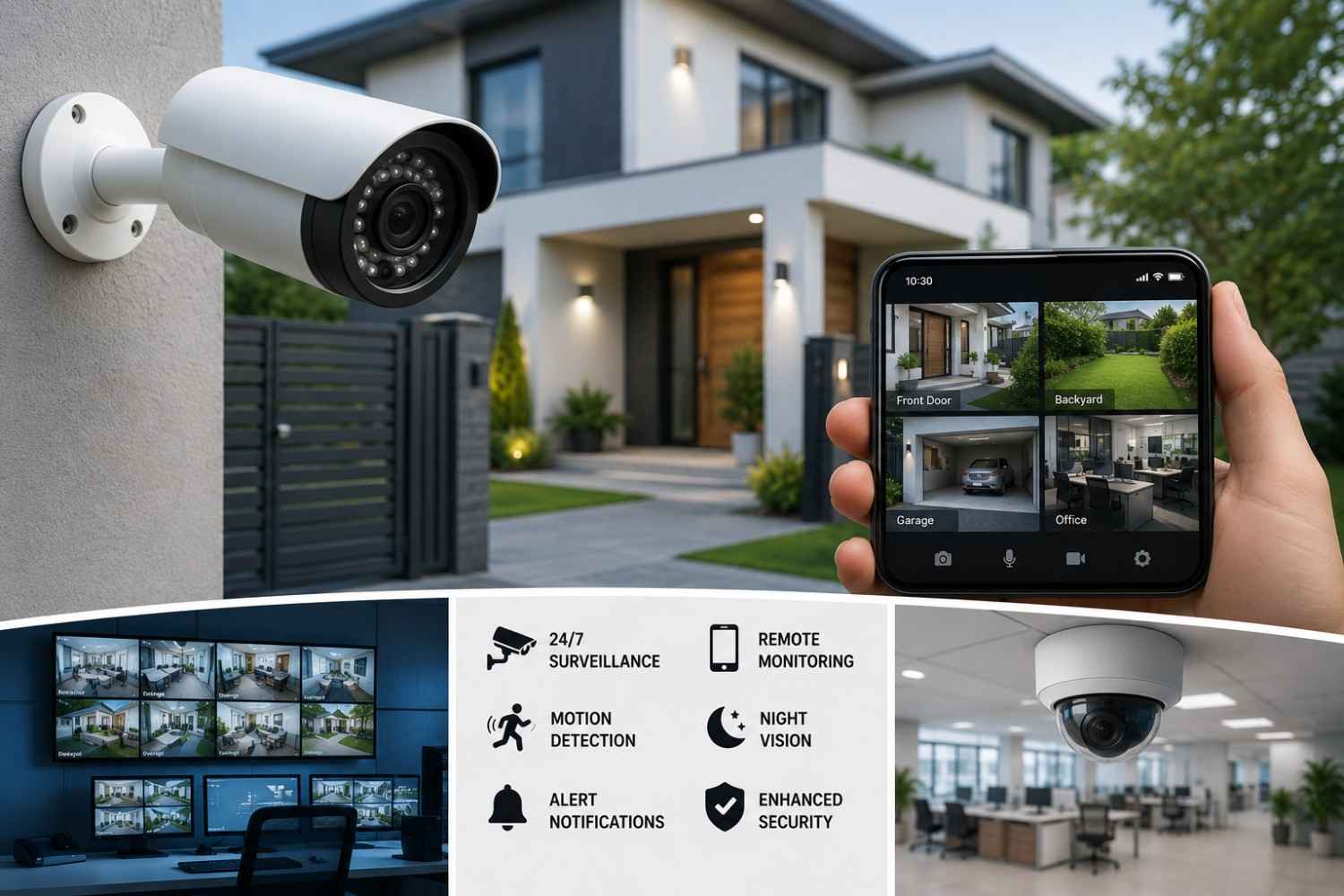
Choosing and deploying CCTV systems Dubai requires balancing technical performance, regulatory compliance, and operational needs. This guide explains what modern surveillance projects should include, from camera selection and network design to data storage, privacy, and maintenance.
- Select IP cameras with appropriate resolution, dynamic range, and compression (H.265 or better).
- Design storage and network capacity for peak simultaneous streams and retention policy.
- Follow local regulations and security best practices (see ISO/IEC standards for information security).
- Use the SECURE CCTV Checklist to plan, procure, and maintain systems.
CCTV systems Dubai: core components and standards
At the center of any successful CCTV deployment are cameras, recording systems (NVR/VMS), network infrastructure, and a compliance plan. Camera types range from fixed and PTZ to multi-sensor and thermal; recording options include on-premise NVR, hybrid cloud, or pure cloud storage. Consider edge analytics, motion detection, and license-plate recognition as feature layers rather than base requirements.
Regulatory and compliance considerations
Dubai enforces specific expectations for public safety and privacy. Coordinate with Dubai Police and Dubai Municipality when deploying cameras in public-facing locations, and adopt information security best practices like those in ISO/IEC 27001 to protect recorded data and access controls.
SECURE CCTV Checklist (named framework)
Use this checklist to evaluate projects from planning through maintenance:
- Survey: Map coverage areas, lighting, and network access.
- Evaluate: Define objectives (deterrence, forensics, analytics) and required camera specs.
- Choose: Pick camera types, lenses, and recording architecture (NVR vs cloud).
- Upgrade: Ensure PoE switches, VLANs, and cybersecurity controls are in place.
- Register: Log devices, obtain permits, and label recording signage for privacy.
- Execute & Maintain: Install to standards, schedule health checks, and test retention/restoration.
Design and technical best practices
Network and storage
Plan for sustained bandwidth and storage. Use camera bitrate estimates (adjusted for movement and compression) to size switches and NVR capacity. Employ VLANs for camera traffic, and segregate admin access with MFA and role-based controls. Consider RAID for NVRs and retention policies aligned to evidence requirements.
Camera selection and placement
Match camera resolution and lens to the task: 2–5 MP for general surveillance, 8+ MP or multi-sensor for wide-area or forensic detail. Use cameras with wide dynamic range (WDR) for high-contrast scenes and IR/low-light sensors for night coverage. Place cameras to minimize obstructions and avoid direct sunlight into lenses.
Analytics, privacy, and ethics
Analytics (people counting, ANPR, perimeter detection) add value but increase regulatory scrutiny. Adopt privacy by design: mask private areas where possible, limit retention, and keep access logs. Document analytics use cases and retention for audits.
Real-world example
Scenario: A retail shop in Dubai upgraded from analog to IP to reduce blind spots. After a site survey, the plan used three 4MP fixed cameras for aisles, one PTZ for exterior, and an NVR with 30-day retention. VLAN segmentation limited camera traffic to a dedicated switch; access was provided via role-based accounts with two-person validation for evidence export. Monthly health checks reduced downtime from 8% to under 1%.
Practical tips
- Test cameras in real lighting conditions before final mounting—lab specs often differ from site reality.
- Use PoE and UPS systems to maintain uptime during brief outages and ensure graceful shutdown of NVRs.
- Document camera IDs, locations, and retention timelines in a central registry for audits.
- Schedule firmware updates in a maintenance window and verify vendor-signed images to avoid supply-chain risks.
Trade-offs and common mistakes
Trade-offs
Higher resolution increases identification ability but requires more bandwidth and storage. Cloud storage simplifies management but raises recurring costs and may complicate data sovereignty. Edge analytics reduces bandwidth but can increase device cost and attack surface.
Common mistakes
- Over-specifying resolution without addressing network/storage capacity.
- Installing cameras too high or angled poorly, creating unusable footage.
- Failing to implement cybersecurity basics—default passwords and open management ports are frequent vulnerabilities.
Core cluster questions
- How to plan retention and storage for surveillance video?
- What network architecture is best for IP cameras in a multi-site deployment?
- Which camera features matter most for retail versus perimeter security?
- How should CCTV systems integrate with access control and alarm systems?
- What are the practical steps to secure camera firmware and management interfaces?
Maintenance and lifecycle
Implement a maintenance plan: weekly health checks, quarterly verification of time synchronization and storage health, and annual performance validation against operational objectives. Replace cameras proactively when image quality degrades or vendor support ends.
FAQ: What are the best CCTV systems Dubai options?
There is no single "best" system; choose based on objectives (deterrence, identification, analytics), budget, and compliance needs. A balanced approach typically pairs IP cameras (with adequate low-light performance) and a scalable NVR or hybrid cloud model with clear retention and access controls.
How long should surveillance video be retained in Dubai?
Retention depends on the use case and legal obligations. Short-term retail CCTV might keep 14–30 days; evidence-critical systems often require longer. Align retention with incident response needs and local regulations, and document the policy for audits.
Do CCTV cameras in Dubai need to be registered or approved?
Regulations vary by location and use. Public-facing cameras often require coordination with local authorities such as Dubai Police. Register devices where required and follow signage and privacy rules.
How to secure networked surveillance cameras?
Use strong unique passwords, disable unused services, apply network segmentation (VLANs), require MFA for management, and keep firmware updated. Regular vulnerability scans and an incident response plan complete the defensive posture.
What is the expected lifespan of a professional CCTV installation?
Hardware typically lasts 5–8 years depending on environment and usage; plan for incremental upgrades for analytics, storage, and cybersecurity improvements rather than full replacements when possible.