The Role of Ceramic Tiling in Extending Conveyor System Life
-

- May 20th, 2026
- 6,631 views
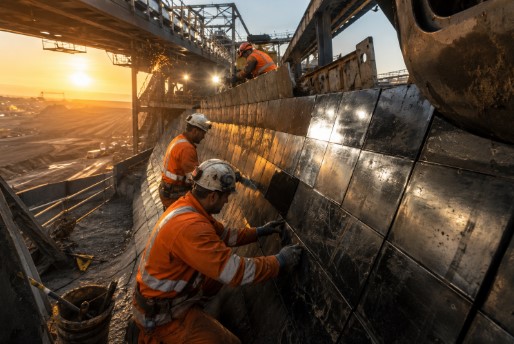
Conveyor systems play a critical role in mining, quarrying, manufacturing, and bulk material handling operations across Australia. These systems operate in demanding environments where constant exposure to abrasive materials, heavy impacts, moisture, and chemical substances can rapidly wear down equipment. Without proper protection, conveyor components may suffer frequent breakdowns, resulting in costly downtime and reduced operational efficiency.
One of the most effective ways to improve conveyor durability is through the use of ceramic tiling services. Ceramic tiling provides a highly resistant protective layer that shields conveyor components from wear and impact damage, helping businesses extend equipment lifespan while maintaining reliable performance in harsh industrial conditions.
Why Ceramic Tiling Matters in Conveyor Systems
Ceramic tiling is widely used in areas of conveyor systems that experience extreme abrasion and material flow. High-wear zones such as transfer chutes, hoppers, pipes, bends, and loading points are especially vulnerable to ongoing damage from sharp or heavy materials moving at high speeds.
Ceramic tiles are manufactured using extremely hard compounds designed to withstand severe wear conditions. When applied correctly, these tiles create a durable barrier that protects steel surfaces from erosion, corrosion, and mechanical damage. This additional layer significantly reduces maintenance requirements and helps preserve the structural integrity of conveyor equipment over time.
Protection Against Abrasion
Abrasion is one of the leading causes of conveyor system deterioration. Materials such as coal, ore, sand, gravel, and minerals continuously scrape against conveyor surfaces during operation. Over time, this friction can wear through metal components, causing thinning, cracking, and eventual failure.
Ceramic tiling offers exceptional resistance to abrasive wear due to its hardness and durability. Unlike bare steel, ceramic-lined surfaces can withstand prolonged exposure to harsh materials without rapidly degrading. This protection helps reduce component replacement frequency and lowers long-term maintenance costs.
Improved Equipment Lifespan
Extending the lifespan of conveyor equipment is a major priority for industrial operations seeking to reduce operational expenses. Replacing damaged chutes, pipes, and liners can be expensive and time-consuming, particularly in remote mining or processing facilities.
Ceramic tiling helps extend equipment life by minimising direct wear on critical components. Because the ceramic layer absorbs much of the impact and friction generated during material handling, the underlying steel structure remains protected for far longer. This leads to fewer shutdowns, less emergency maintenance, and improved reliability across the entire conveyor system.
Enhanced Impact Resistance
Many conveyor systems handle large, heavy materials that create substantial impact forces at transfer points. Repeated impacts can dent, crack, or deform steel surfaces, weakening the system and increasing the likelihood of failure.
Modern ceramic tiling solutions are often designed with impact resistance in mind. Specially engineered tile systems can absorb heavy loads while maintaining structural stability. This added protection is particularly valuable in industries where conveyor systems process coarse or high-density materials on a continuous basis.
Reduced Downtime and Maintenance
Unplanned downtime can have serious financial consequences for industrial operations. Conveyor failures may interrupt production schedules, delay deliveries, and increase labour expenses associated with urgent repairs.
By protecting high-wear areas, ceramic tiling reduces the frequency of equipment failures and maintenance interventions. Components remain operational for longer periods, allowing maintenance teams to focus on scheduled servicing rather than emergency repairs. This proactive approach supports smoother operations and improved productivity.
Resistance to Corrosion and Chemicals
In addition to abrasion and impact damage, many conveyor systems are exposed to moisture, chemicals, and corrosive substances. These environmental factors can accelerate metal deterioration and compromise equipment performance.
Ceramic tiles provide an effective barrier against corrosion and chemical exposure. Their non-reactive properties help shield metal surfaces from harmful substances, making them suitable for a wide range of industrial applications, including mining, mineral processing, and chemical handling facilities.
Increased Operational Efficiency
A well-maintained conveyor system operates more efficiently and consistently. Excessive wear can create uneven surfaces, material blockages, and reduced flow efficiency, all of which negatively affect productivity.
Ceramic-lined surfaces often provide smoother material flow, helping reduce friction and minimising build-up within transfer points and chutes. This contributes to improved system performance, better material handling efficiency, and reduced strain on conveyor components.
Long-Term Value for Industrial Operations
Investing in conveyor protection measures such as ceramic tiling can provide significant long-term benefits for industrial businesses. Although wear protection solutions require initial installation costs, the reduction in maintenance expenses, downtime, and equipment replacement often delivers substantial savings over time.
For operations working in highly abrasive environments, ceramic tiling remains one of the most practical and reliable methods for preserving conveyor infrastructure. Its ability to withstand severe wear conditions while maintaining system performance makes it an essential component in modern material handling operations.
As industries continue to prioritise efficiency, reliability, and cost control, ceramic tiling will remain an important solution for extending conveyor system life and improving operational performance in demanding Australian industrial environments.