Budget Window Treatments: A Practical Guide to Cheap Curtains, Blinds & Accessories
-

- Published Updated
- 945 views
Cheap curtains and blinds are a fast, high-impact way to refresh rooms without a large remodel. This guide covers where to save, how to measure, which materials perform best, and the accessories that make budget window treatments look intentional rather than cobbled together.
- Detected intent: Informational
- Focus on affordable window treatments, practical measuring and installation, and value trade-offs.
- Includes a 6-step BUDGET framework, a real-world $200 living-room scenario, 4 practical tips, and common mistakes to avoid.
cheap curtains and blinds: where to begin
Start by defining priorities: light control, insulation, privacy, or style. Cheap curtains and blinds can meet one or more of these goals if choices are aligned with the room’s main function. For example, a bedroom often prioritizes blackout and privacy, while a living room may prioritize light filtering and style.
Measure, materials, and terminology
How to measure windows correctly
- Width: Measure the glass and the frame, then decide whether to mount inside or outside the frame. For outside mounts, add 4–6 inches to the width to improve coverage and reduce light gaps.
- Height: For curtains, measure from the rod location to where the curtain should fall (sill, apron, or floor). For blinds, measure top to bottom and allow for mounting hardware.
- Depth: Check window recess depth for inside-mounted blinds or roller shades.
Common materials and performance
- Polyester: Durable, inexpensive, easy to wash. Good for most living spaces.
- Cotton blends: Softer look; colors can fade faster in strong sun.
- Blackout fabrics: Essential for bedrooms; look for multi-layer or foam-backed options.
- Vinyl or aluminum blinds: Cheap and practical for moisture-prone areas like kitchens and bathrooms.
BUDGET framework for buying cheap curtains and blinds
Use the BUDGET framework to evaluate options quickly:
- Budget: Set a total spend limit per window, including accessories and hardware.
- Use-case: Define the primary function (privacy, blackout, insulation, aesthetics).
- Dimensions: Measure precisely; measure twice, order once.
- Grade: Choose the material grade appropriate to the room (e.g., moisture-resistant for bathrooms).
- Energy: Consider thermal liners or cellular shades for efficiency and winter savings.
- Tools & trim: Confirm mounting hardware, length adjustments, and child-safety devices are included or affordable.
Shopping approaches and affordable window treatments
Where low prices come from
Low-cost items typically reduce expense via simpler hardware, synthetic fabrics, standard sizes, or less finish detail. Custom sizing, natural fibers, and decorative hardware raise costs. For many rooms, standard sizes with small fit tweaks deliver the best value.
Affordable window treatments to consider
- Ready-made panels: Best for quick refreshes and style variety.
- Roller shades: Minimal look, often inexpensive and easy to install.
- Vinyl or faux-wood blinds: Cheap, durable, and moisture resistant.
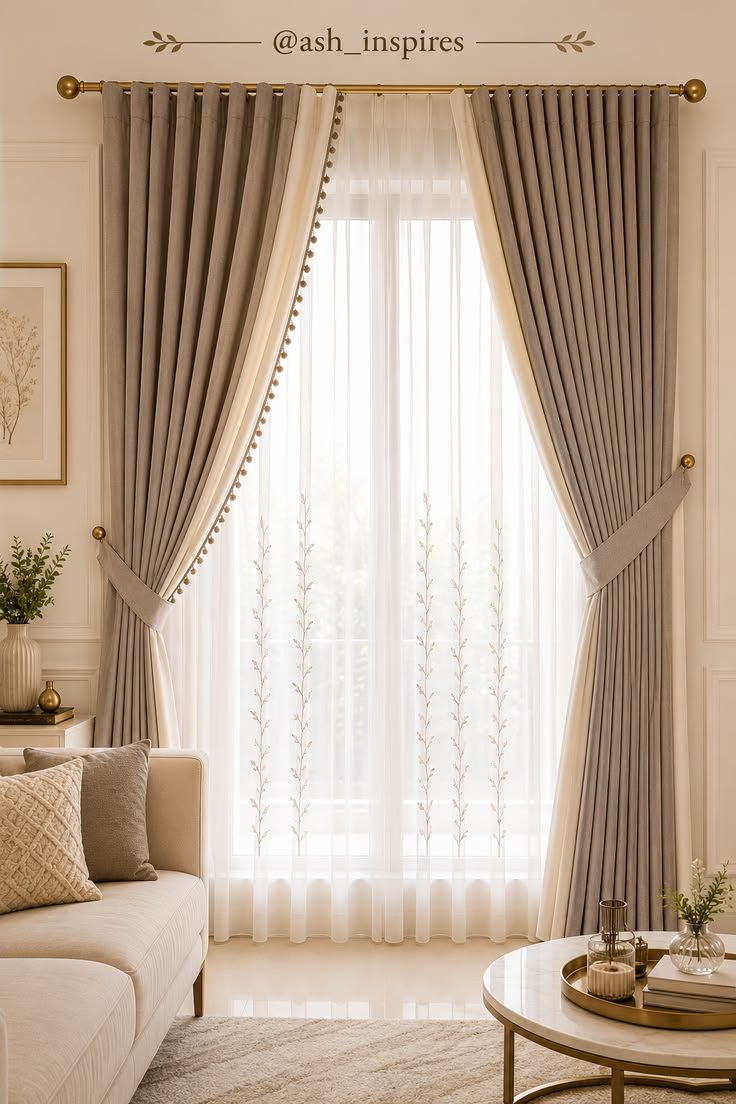
- Double-rod setups: Combine a sheer and a blackout curtain for flexible light control on a budget.
Installation basics and accessories that matter
Accessories make cheap curtains and blinds look more intentional. Invest in correct-length rods, quality brackets, and proper finials or end caps if visible. Use tension rods for lightweight curtains on a temporary basis to avoid drilling. Cord cleats and wand systems improve safety and longevity.
For energy-saving claims, add a thermal liner or install cellular shades. For research on window treatments and energy performance, see the U.S. Department of Energy’s advice on windows and coverings (energy.gov).
Real-world example: A $200 living-room refresh
Scenario: Replace curtains on two living-room windows with a $200 total budget.
- Measure both windows (add 6" width per window for coverage).
- Buy two ready-made 84" polyester panels in a neutral color ($25 each).
- Purchase a single sturdy double curtain rod ($40) and two sets of brackets ($10 total).
- Choose inexpensive blackout liners ($20 total) to improve appearance and reduce light bleed.
- Install using a drill and level; finish with simple tiebacks or rope for a polished look ($10).
Result: A room refresh that controls light better, looks cohesive, and costs under $200.
Practical tips for getting the most value
- Buy a little wider and longer than measured—the extra width creates fullness and the longer length can be hemmed down, which looks more expensive.
- Combine a cheap blind with a decorative curtain panel: the blind provides function; the panel provides style.
- Use thermal liners to boost insulation rather than replacing an entire set with a pricier thermal fabric.
- Shop off-season sales for deeper discounts on standard sizes and basic hardware.
Trade-offs and common mistakes
Common mistakes
- Buying exactly the measurement without allowing for fullness or overlap—results look sparse and reveal gaps.
- Choosing low-quality hardware to save money—cheaper brackets can sag and damage the wall or fabric.
- Ignoring cord safety—long cords present risks to children and pets.
Trade-offs
Cheap materials lower upfront cost but can fade or degrade faster. Spending slightly more on mid-range hardware and liners typically extends lifespan and improves appearance. Decide whether the priority is short-term style or long-term performance before selecting materials.
Core cluster questions
- What are the most affordable window treatments that still provide privacy?
- How to measure windows for curtains and blinds to avoid returns?
- Which materials are best for budget-friendly blackout curtains?
- How much does it cost to install simple roller shades or vinyl blinds?
- What accessories make inexpensive curtains look high-end?
FAQ
Are cheap curtains and blinds worth buying?
Yes—when aligned with the room’s primary needs. For short-term use or style changes, cheap curtains and blinds deliver value. Investing in better hardware or a thermal liner where it matters can increase longevity and performance.
How tall should curtains be for a professional look?
Floor-length curtains that either just touch the floor or puddle slightly look most intentional. Standard heights are 84", 96", and 108"—choose the size allowing the rod to sit above the window frame for a taller appearance.
What are affordable window treatment ideas for renters?
Tension rods, removable adhesive hooks for lightweight curtains, and cordless shades minimize wall damage. Stick-on blackout liners or curtains that hang from shower rods can offer temporary solutions without drilling.
How to make cheap curtains look more expensive?
Add fullness by using wider panels, use a double-rod with a sheer layer, choose coordinating hardware, and ensure hems and alignment are precise. Press fabrics before hanging for a crisp finish.
Can cheap curtains and blinds improve energy efficiency?
Yes. Adding thermal liners, cellular shades, or closing heavy curtains at night reduces heat loss. For details on window treatments and energy savings, consult official guidance from the U.S. Department of Energy.
End of guide. Use the BUDGET framework and the practical tips above to plan low-cost window updates that look intentional and perform well without overspending.