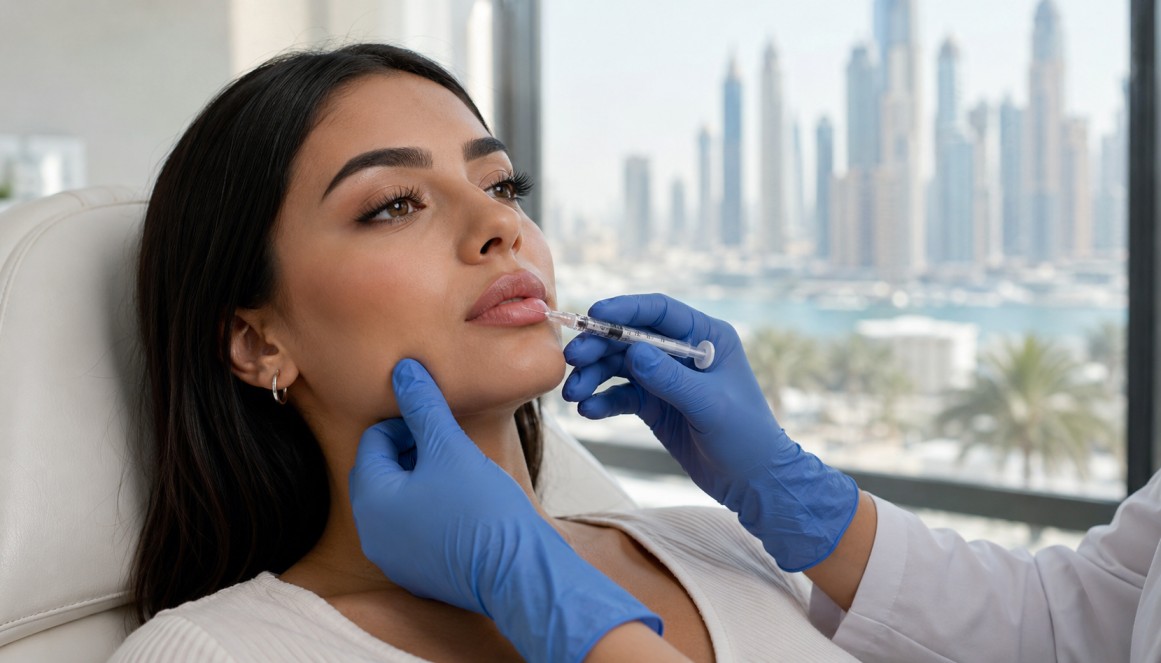
Cheek Fillers in Dubai: Separating Myths from Facts for Safe, Informed Choices
-
- February 23rd, 2026
- 1,475 views

FREE SEO Topical Map Generator: Find Your Next Content Ideas
Cheek fillers in Dubai have become a common cosmetic option for people seeking cheek augmentation, facial balance, or a more youthful appearance. This article clarifies common myths and presents factual information about types of dermal fillers, safety considerations, regulation, and realistic expectations to support informed decisions.
- Cheek fillers typically use hyaluronic acid or other approved substances to restore volume.
- Results are temporary and depend on filler type, placement, and individual metabolism.
- Safety depends largely on injector training, facility standards, and proper aftercare.
- Dubai has healthcare regulation and licensing requirements; check practitioner credentials.
Understanding cheek fillers in Dubai
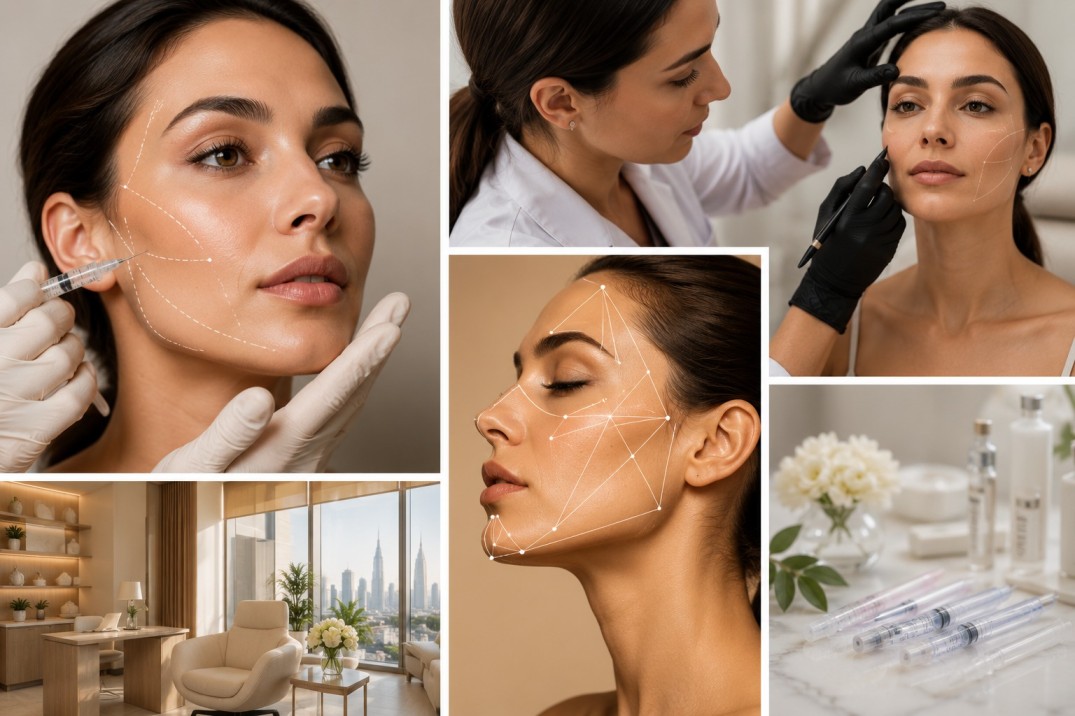
Cheek fillers in Dubai are non-surgical injections intended to add volume to the mid-face, enhance cheek contours, or correct age-related tissue loss. Commonly used materials include hyaluronic acid (HA), calcium hydroxylapatite, and poly-L-lactic acid; each has different longevity, reversal options, and profiles described in scientific literature on dermal fillers.
Common myths vs facts
Myth: Fillers will permanently change bone structure
Fact: Dermal fillers add soft-tissue volume but do not alter bone. Surgical procedures such as implants or osteotomies are required to change bone anatomy. Fillers are temporary and degrade over time depending on product and metabolism.
Myth: All fillers are unsafe or unregulated
Fact: Many filler products are approved by regulatory bodies in various countries, and licensed injectors use approved materials in regulated medical settings. Safety varies by product quality, injector skill, sterility, and aftercare. In Dubai, healthcare regulators require licensing and facility standards; consumers should verify practitioner credentials with local health authorities.
Myth: Cheek fillers always look obvious or overdone
Fact: Outcomes depend on injector technique, product choice, and patient anatomy. Conservative, anatomically informed injections can produce natural enhancement. Communication about desired results and review of before-and-after photos helps align expectations.
Types of cheek fillers and how they work
Hyaluronic acid (HA)
HA fillers are the most commonly used for cheeks because of their versatility and reversibility. HA attracts water and adds immediate volume; it can be dissolved with an enzyme (hyaluronidase) if correction is needed. Clinical reviews in dermatology journals discuss HA safety and complication rates.
Biostimulatory fillers
Products such as poly-L-lactic acid and calcium hydroxylapatite stimulate collagen production and may provide longer-lasting structural support. These require different techniques and longer onset to see full effect. They are not reversible in the same way as HA.
Safety, regulations, and choosing a provider
Regulation and licensing
Regulatory oversight affects product availability and practitioner accountability. Dubai's healthcare regulators set licensing and facility standards; verify credentials with the relevant health authority before treatment. For official guidance, see the Dubai Health Authority website: Dubai Health Authority.
Choosing a qualified injector
Select a licensed medical professional with documented training in facial anatomy, injection techniques, and complication management. Ask about experience with cheek augmentation, view before-and-after images, and confirm use of licensed products stored and handled per manufacturer instructions.
What to expect, side effects, and complications
Typical course and aftercare
Mild swelling, bruising, and tenderness are common for several days after injection. Follow any post-procedure instructions provided by the practitioner, such as avoiding strenuous exercise and manipulating the treated area for the first 24–48 hours.
Possible complications
Rare but serious complications include infection, allergic reaction, nodule formation, and vascular occlusion (when filler inadvertently enters a blood vessel). Early recognition and prompt management reduce risk of lasting harm. Ensure the clinic has protocols and emergency plans.
Cost, longevity, and realistic expectations
Cost factors
Cost depends on product type, volume used, injector expertise, and clinic location. Prices in urban centers may be higher due to overhead and practitioner qualifications. Avoid basing decisions solely on price; low-cost treatments can be associated with unregulated products or inexperienced providers.
Longevity and maintenance
HA fillers typically last from several months to over a year depending on cross-linking and product density. Biostimulatory fillers may last longer but require skilled assessment. Repeat treatments are common for maintenance; discuss a plan with the injector before starting.
Evidence and ongoing research
Peer-reviewed studies and reviews in dermatology and plastic surgery journals provide evidence on filler performance and safety. Discuss evidence, benefits, and alternatives with a licensed practitioner to make decisions aligned with individual health and aesthetic goals.
Frequently asked questions
Are cheek fillers in Dubai safe?
Safety depends on product quality, injector training, facility standards, and patient factors. When performed by a licensed practitioner in an accredited setting using approved products, risks are reduced but not eliminated. Verify credentials and follow pre- and post-procedure guidance.
How long do cheek fillers usually last?
Longevity varies by product: many hyaluronic acid fillers last several months to a year or more; biostimulatory fillers can have longer-lasting effects. Individual metabolism and injection technique also affect duration.
Can cheek fillers be reversed?
Hyaluronic acid fillers can often be dissolved with hyaluronidase if correction is needed. Other filler types are not reversible and may require different management strategies for complications.
What questions should be asked during a consultation?
Ask about the practitioner's medical qualifications, specific experience with cheek augmentation, the exact product brand and batch, potential risks and side effects, expected timeline for results, and steps for managing complications.
Note: This article provides general information and does not replace personalized medical consultation. For individual advice, consult a licensed healthcare professional.