Chemical Peel Dubai: How Skin Resurfacing Helps Improve Pigmentation and Sun-Damaged Skin
-
- Published Updated
- 6,981 views
Dubai’s climate can be challenging for healthy skin. Constant sun exposure, heat, dry air, and long hours in air-conditioned environments often contribute to pigmentation, uneven texture, dehydration, acne flare-ups, and premature aging. Because of these concerns, chemical peel treatments have become one of the most popular non-surgical skin rejuvenation procedures in Dubai.
Chemical peels help rejuvenate damaged skin by removing dull surface cells and supporting the skin’s natural renewal process. Modern formulations such as the Miami Peel are especially popular because they improve skin tone and texture with minimal downtime, making them suitable for busy lifestyles.
Understanding How Chemical Peels Work
Chemical peels involve the application of carefully selected acids to the skin at controlled concentrations. These acids help to loosen and remove damaged surface cells while also stimulating the skin's natural repair process.
As the outer layer of skin begins to exfoliate, the body activates a healing response. As the skin repairs itself, it gradually produces new collagen and elastin, which help improve firmness and overall skin texture. In the weeks following the treatment, many patients notice smoother skin texture, improved brightness, and a more even skin tone.
The depth of penetration determines the strength of the treatment and the recovery time involved.
Superficial peels focus on the outermost layer of skin and are primarily used to address dullness, mild pigmentation, and uneven skin tone.
Medium-depth peels reach deeper layers of the skin to improve acne scars, pigmentation, and fine lines.
Deep peels provide more dramatic resurfacing but require extended recovery and careful medical supervision.
This controlled skin renewal is one reason chemical peels remain effective for treating both cosmetic and environmental skin damage.
Types of Chemical Peel Ingredients
Different peeling agents are selected depending on the patient’s skin condition, sensitivity, and treatment goals.
Alpha Hydroxy Acids (AHAs)
AHAs such as glycolic acid, lactic acid, and citric acid are commonly used in superficial peels. These water-soluble acids exfoliate dead skin cells and improve brightness and texture.
Glycolic acid, derived from sugar cane, penetrates effectively due to its small molecular size.
Lactic acid gently exfoliates while also helping maintain skin hydration.
Citric acid supports skin brightening and antioxidant activity.
These acids are often recommended for sun damage, mild pigmentation, and tired-looking skin.
Beta Hydroxy Acid (BHA)
Salicylic acid is the most widely used BHA in chemical peeling. Unlike AHAs, salicylic acid is oil-soluble, allowing it to penetrate pores and reduce excess sebum buildup.
Because of this property, it is especially effective for:
acne-prone skin
clogged pores
blackheads
post-acne congestion
Trichloroacetic Acid (TCA)
TCA peels are medium-depth treatments used for more visible pigmentation concerns, textural irregularities, and early signs of aging. Higher concentrations provide stronger resurfacing effects but require longer recovery periods.
Phenol Peels
Phenol-based peels are intended for advanced skin resurfacing. These deep peels can significantly enhance severe sun damage and deep wrinkles, though they require a longer recovery time and more rigorous medical supervision.
Combination Peels
Combination peels utilize multiple acids simultaneously for comprehensive skin correction. An example of this method is the Miami Peel, which combines:
lactic acid
citric acid
salicylic acid
kojic acid
Kojic acid is particularly beneficial for pigmentation because it helps reduce excess melanin production. This treatment is effective for addressing uneven skin tone, melasma, and post-inflammatory hyperpigmentation.
Why Chemical Peels Are Popular in Dubai
Skin concerns in Dubai are often linked to environmental stress. High UV exposure throughout the year accelerates photoaging, while indoor air conditioning can leave the skin dehydrated and sensitive.
For many Dubai residents, chemical peels offer a practical way to reverse daily environmental skin stress by helping to:
remove dull, damaged surface cells
improve skin brightness and texture
reduce visible pigmentation
support collagen renewal
regulate excess oil production
improve mild acne and post-acne marks
Many people in Dubai choose lighter chemical peels, such as the Miami Peel, because the treatment delivers visible skin improvement while allowing them to continue their daily routine with minimal recovery time.
The Miami Peel for Pigmentation and Skin Brightening
The Miami Peel is considered a light-to-medium-depth chemical peel designed to improve pigmentation and skin clarity while remaining relatively gentle on the skin.
One reason for its popularity is the inclusion of kojic acid alongside exfoliating acids. While exfoliation helps remove pigmented surface cells, kojic acid works differently by helping slow melanin formation within the skin.
Patients commonly choose this peel for:
sun damage
uneven skin tone
mild melasma
acne marks
dull complexion
Because downtime is usually limited, the treatment fits well into the fast-paced lifestyle common in Dubai.
Pre-Treatment Preparation
A proper skin assessment is essential before any chemical peel procedure. Clinics typically evaluate:
skin sensitivity
pigmentation level
acne activity
Fitzpatrick skin type
current skincare products
medical history
Patients are usually advised to:
Stop retinoids and exfoliants 5–7 days before treatment
Refrain from using facial scrubs, waxing treatments, or other harsh exfoliating procedures for at least one week before the peel.
Use broad-spectrum sunscreen daily
Inform the clinic about herpes simplex history or medications
Patients with active skin infections or recent isotretinoin use may need to postpone treatment.
What Happens During the Procedure
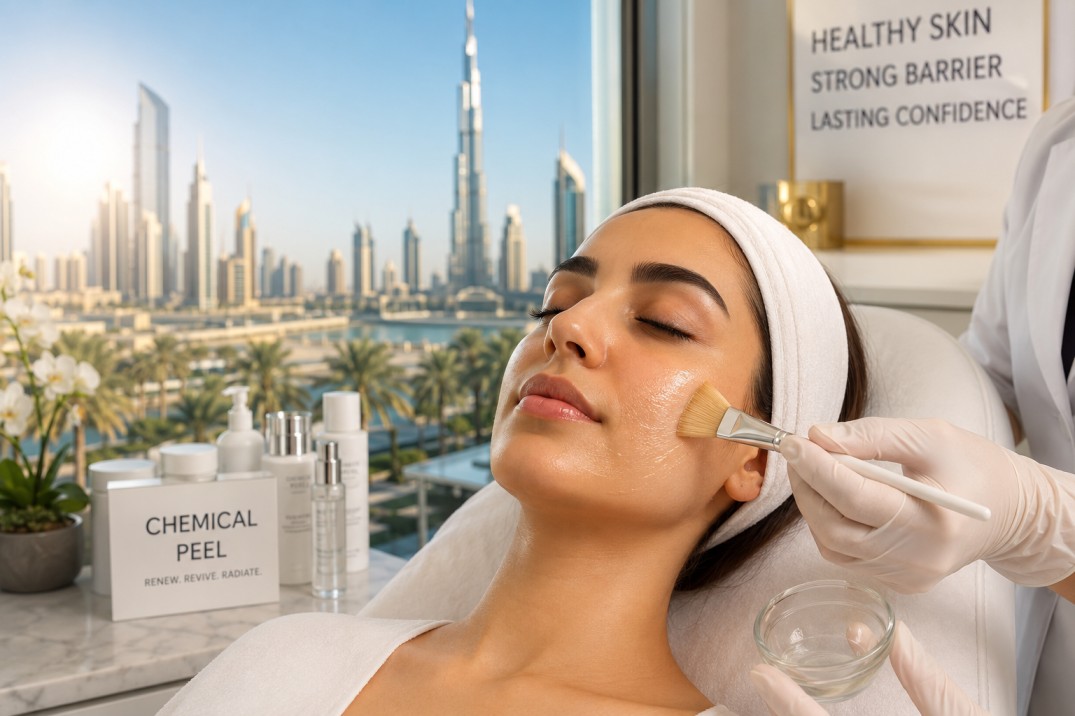
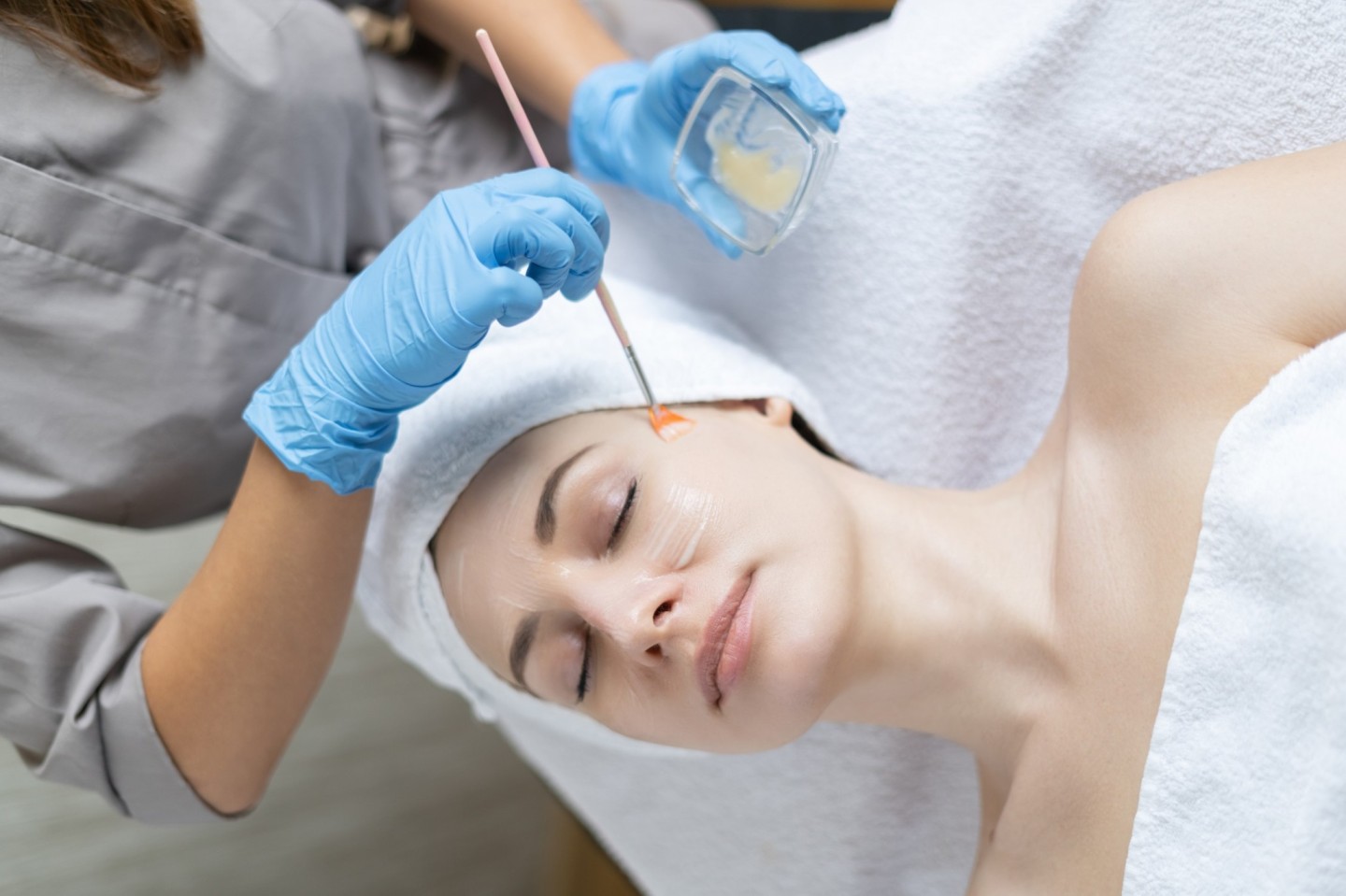
The procedure usually begins with cleansing and degreasing the skin to ensure even acid penetration.
The Miami Peel is applied in layers based on the patient’s skin condition and tolerance. Most patients experience:
mild tingling
warmth
temporary tightness
The treatment itself generally lasts between 10 and 15 minutes.
Unlike some traditional chemical peels, the Miami Peel is self-neutralizing and does not require a separate neutralizing solution. Patients are typically instructed to rinse the skin several hours later using cool water.
Dermatologists often recommend lighter peel protocols initially for patients frequently exposed to intense UV radiation.
Recovery and Aftercare
Recovery following lighter chemical peels is usually manageable.
Common temporary effects include:
mild redness
dryness
tightness
light flaking between days two and six
Heavy sheet peeling is uncommon with lighter formulations such as the Miami Peel.
As the skin heals, many patients notice gradual improvements such as:
brighter skin tone
smoother texture
improved radiance
within one to two weeks after treatment.
Sun protection is extremely important after chemical peeling, especially in Dubai’s climate. Daily SPF 50+ sunscreen use is strongly recommended.
Recommended Treatment Intervals
Visible improvement typically develops gradually through multiple sessions rather than a single treatment.
Many patients undergo:
6–8 sessions
spaced approximately four weeks apart
Over time, patients may notice:
reduced pigmentation
smoother texture
fewer acne breakouts
healthier-looking skin
improved overall brightness
Maintenance treatments every few months can help preserve results.
Safety and Contraindications
Chemical peels are generally safe when performed by trained professionals using appropriate formulations and skin assessment protocols.
However, treatment may not be suitable for:
pregnancy or breastfeeding
active bacterial or viral skin infections
recent isotretinoin use
severe skin irritation
unrealistic treatment expectations
Extra caution is often required for darker skin tones due to the increased risk of post-inflammatory hyperpigmentation.
Chemical Peels vs Other Skin Treatments
Compared with standard facials, chemical peels provide deeper and longer-lasting skin renewal. They also tend to be more affordable than many laser procedures while still effectively addressing:
pigmentation
acne
uneven texture
mild aging concerns
For this reason, chemical peels remain one of the most widely requested skin treatments in Dubai.
Conclusion
Chemical peels continue to be one of the most effective non-surgical options for improving skin texture, pigmentation, acne marks, and overall radiance. In Dubai’s high-UV environment, treatments such as the Miami Peel offer a practical balance between visible results and minimal downtime.
When combined with professional assessment, proper aftercare, and consistent sun protection, chemical peels can help maintain healthier, clearer, and more even-looking skin over time.