Chemical Peels in Dubai: Ingredients, Safety, and How to Choose
-

- February 23rd, 2026
- 1,719 views
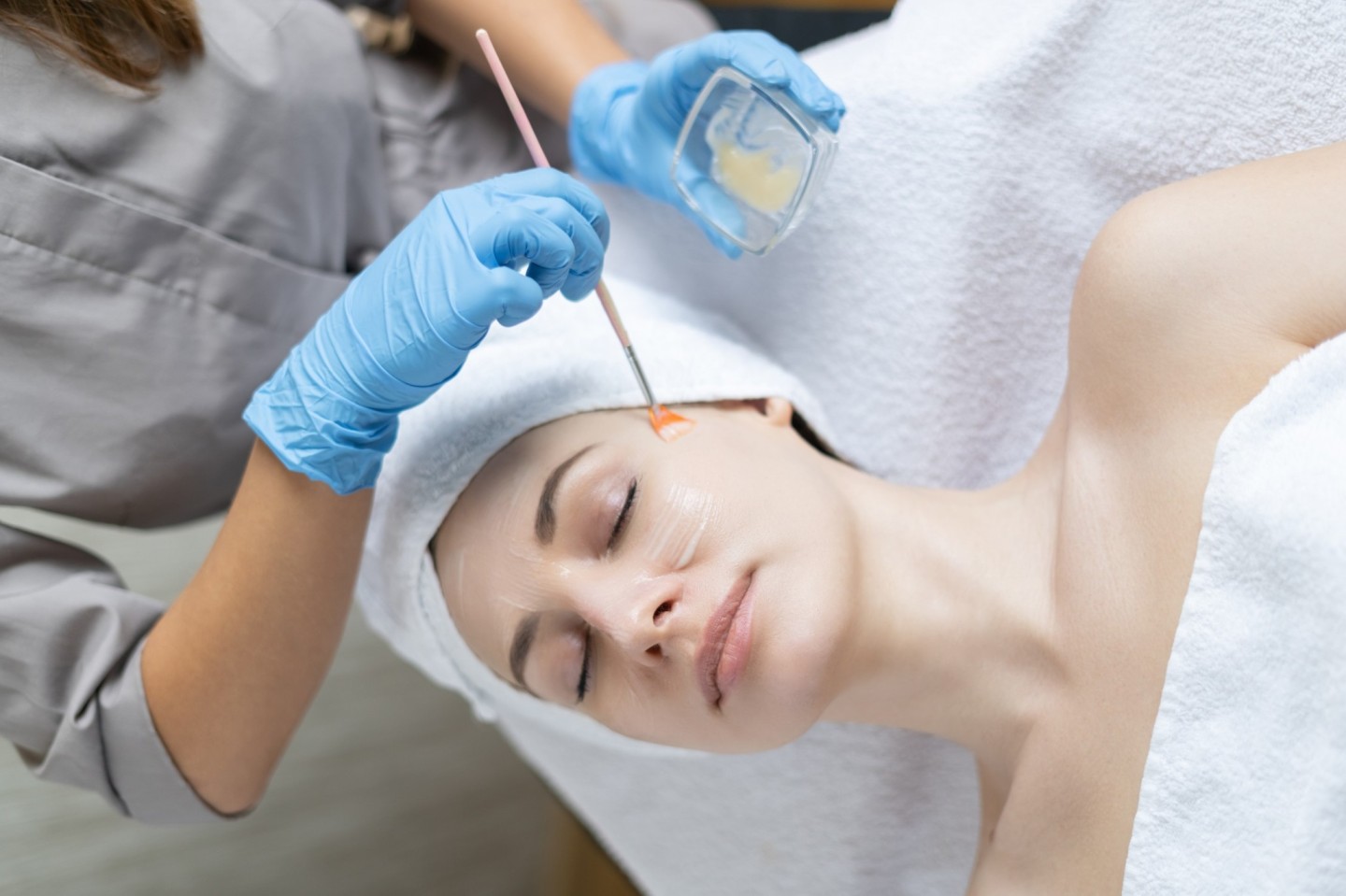
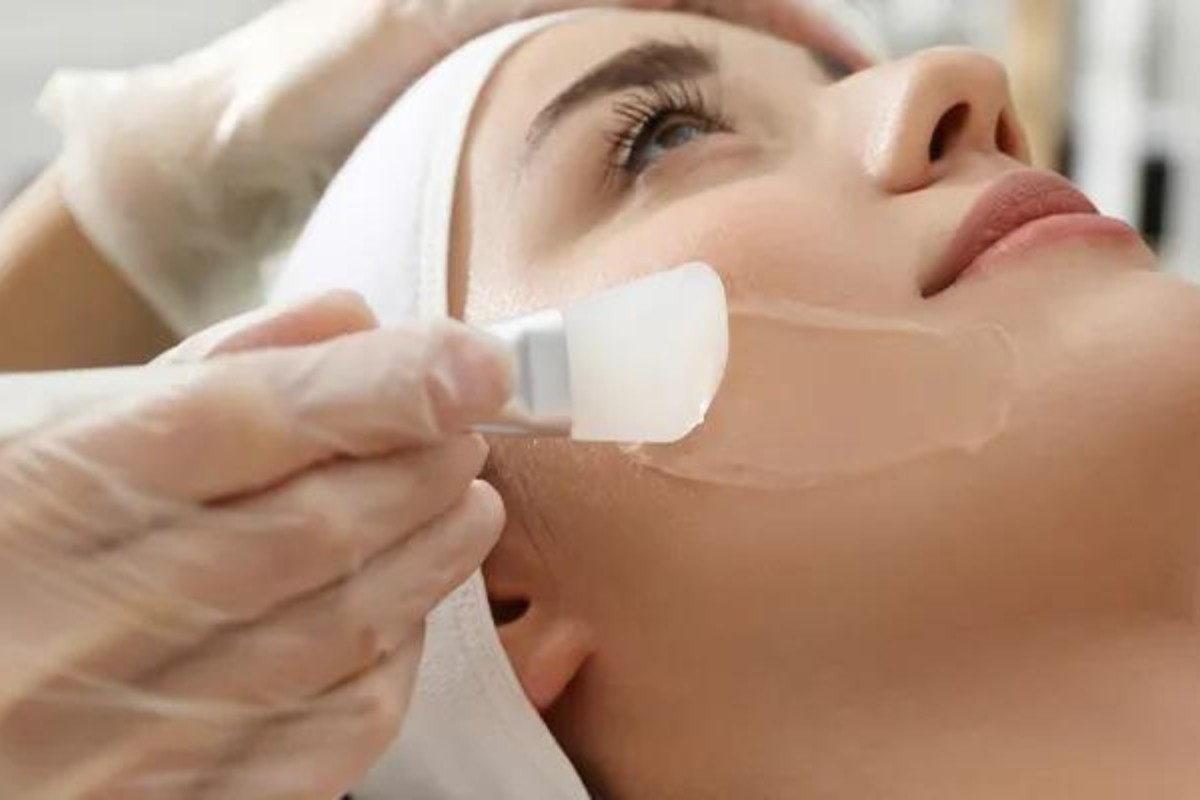
Chemical peel Dubai treatments typically use acids and exfoliating agents to remove layers of the skin, improve texture, and treat pigmentation or acne scarring. Understanding what is in a chemical peel and how it is applied helps to evaluate safety, expected outcomes, and appropriate aftercare.
- Common active ingredients: glycolic, salicylic, lactic, trichloroacetic (TCA), and phenol in deeper peels.
- Peels are classified as superficial, medium, or deep; risks and downtime increase with depth.
- Safety depends on formulation, skin type (Fitzpatrick scale), provider training, and aftercare including sun protection.
- Select a licensed dermatologist or physician-led clinic regulated by local health authorities; verify credentials and request a patch test.
chemical peel Dubai: Common ingredients and how they work
Chemical peels rely on several categories of active ingredients. Formulations vary by purpose (brightening, acne control, resurfacing) and by patient skin type.
Alpha-hydroxy acids (AHAs)
Glycolic acid and lactic acid are AHAs used for superficial peels. They loosen bonds between dead skin cells, improving texture and mild pigmentation. Concentrations for cosmetic peels are usually lower than those used in medical settings, and pH affects intensity.
Beta-hydroxy acid (BHA)
Salicylic acid is a BHA that penetrates oil-filled follicles, making it effective for acne-prone and oily skin. It is commonly used in superficial to light medium peels and can reduce comedones and inflammation.
Trichloroacetic acid (TCA)
TCA is used for medium-depth peels and can treat moderate sun damage, deeper pigmentation, and scarring. Concentrations and layering determine depth; procedure should be performed by trained clinicians due to higher risk of irritation and pigment changes.
Phenol and other deep agents
Phenol peels produce deep resurfacing with longer recovery and higher complication risk. They are less commonly used for darker skin tones because of scarring and pigment alteration risk.
Other components
Formulations may include neutralizing buffers, anesthetics, anti-inflammatory agents, or additives like azelaic acid, retinoic acid (in controlled pre- or post-peel regimens), and antioxidants to support healing.
How chemical peels are classified and what that means for safety
Superficial peels
Target the epidermis. Minimal downtime, mild redness, and flaking are common. Often performed in cosmetic clinics and sometimes in medical spas under supervision.
Medium peels
Reach the upper dermis and require longer recovery. Risk of infection, prolonged redness, and pigment changes is higher than superficial peels. Pre-procedure assessment for skin type and medical history is important.
Deep peels
Penetrate deeper dermal layers and are typically performed in medical settings with systemic monitoring. These have significant downtime and higher risks and should be reserved for selected indications and performed by experienced physicians.
Is a chemical peel in Dubai safe?
Safety depends on multiple factors: the specific ingredients and concentrations used; the patient's skin type and medical history; the provider's training and sterile technique; and appropriate pre- and post-procedure care. Adverse outcomes can include prolonged redness, infection, scarring, and post-inflammatory hyperpigmentation, particularly in darker skin types.
Risk reduction steps
- Consult with a licensed dermatologist or physician: obtain an assessment including skin type and medical history.
- Patch test: request a small-area test when using new formulations or stronger acids.
- Follow pre-treatment instructions: this may include stopping certain exfoliants or photosensitizing medications as directed by the clinician.
- Sun protection and aftercare: strict sunscreen use and gentle skin care reduce complications and support healing.
Choosing a clinic and practitioner in Dubai
Choose a clinic that is licensed and inspected by local health regulators. Dubai has specific healthcare oversight bodies that set standards for medical aesthetic services; verify the provider’s qualifications, ask about experience with different Fitzpatrick skin types, and request details about the peel formula and expected downtime. For local regulatory guidance, consult the Dubai Health Authority (DHA) website for licensing and patient safety information: Dubai Health Authority.
Questions to ask before a peel
- Which active ingredients and concentrations will be used?
- What is the expected depth, downtime, and number of sessions?
- What are the risks specific to the patient’s skin tone and medical history?
- Is there a written consent form and aftercare plan?
Preparing for and recovering from a peel
Before the procedure
A pre-peel plan may include skin priming with topical agents, avoiding recent tanning, and disclosing medications and medical conditions that affect healing.
Aftercare
Expect redness, peeling, and sensitivity that vary by peel depth. Avoid sun exposure, use broad-spectrum sunscreen, follow cleansing and moisturizing instructions, and contact the clinic promptly for signs of infection or unusual pain. Healing timelines range from a few days for superficial peels to several weeks for deeper treatments.
Evidence and professional guidance
Clinical guidelines from dermatology associations and peer-reviewed studies describe indications, concentrations, and complication management for chemical peels. Professional bodies such as the American Academy of Dermatology (AAD) and published dermatology literature provide further technical detail on indications, safety by Fitzpatrick skin type, and protocols for medium and deep peels.
Frequently asked questions
Are chemical peel Dubai procedures safe for darker skin tones?
Safety for darker skin tones depends on the type and depth of the peel, practitioner experience, and pre-treatment preparation. Superficial peels with conservative concentrations are generally safer, while medium and deep peels carry greater risk of post-inflammatory hyperpigmentation and require specialist assessment.
How soon are results visible after a chemical peel?
Initial improvements in texture and brightness can appear within days for superficial peels; full results for medium or deep peels may take weeks to months as the skin remodels.
Can a chemical peel treat acne scars?
Superficial and some medium-depth peels can help reduce mild to moderate acne scarring and pigmentation. Significant atrophic scarring often requires combined approaches such as microneedling, laser, or surgical techniques assessed by a dermatologist.
Is a patch test necessary?
A patch test is recommended when using new, stronger, or layered chemical peels, or when the patient has a history of sensitivity or allergic reactions. It helps reduce unexpected adverse responses.
How to choose between a dermatologist and non-medical providers?
For superficial cosmetic peels, trained clinicians can often provide safe treatments. For medium or deep peels, procedures conducted by licensed dermatologists or physicians are advised due to the potential for systemic effects and complex wound care needs.
What should be done if complications occur after a peel?
Contact the performing clinic immediately for assessment. Signs that require prompt attention include severe pain, excessive swelling, fever, pus, or rapidly spreading redness. Early professional care reduces the risk of long-term complications.