Child-Safe Indoor Plants: Non-Toxic Houseplants for Babies and Young Children
-
- Published Updated
- 2,873 views
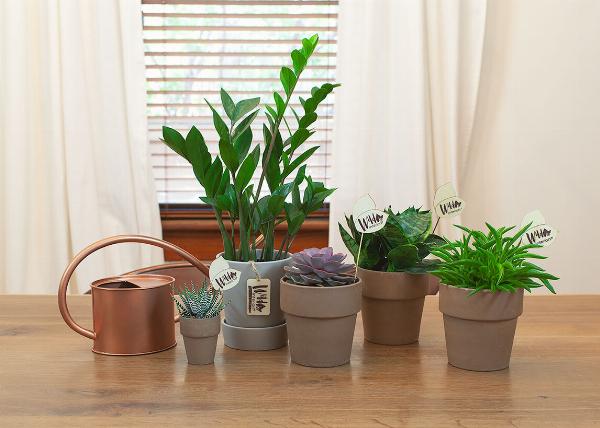
Bringing greenery into a home with infants or toddlers is popular for aesthetics and indoor air benefits, but choosing indoor plants safe for babies and children is important. This guide lists commonly recommended non-toxic houseplants, explains potential risks like choking or skin irritation, and gives practical childproofing steps for families.
- Choose clearly non-toxic species such as spider plant, parlor palm, and African violet.
- Childproof placement, secure pots, and avoid small decorations that pose choking hazards.
- In case of ingestion or significant reaction, contact Poison Control immediately (Poison Help).
- Consult pediatric guidance from trusted sources such as the American Academy of Pediatrics for general safety practices.
Indoor plants safe for babies and children: recommended non-toxic houseplants
The plants below are widely regarded as non-toxic to humans and commonly recommended for homes with young children. Even with non-toxic plants, supervise interactions to prevent dirt ingestion, choking on small leaves, or allergic skin reactions.
Spider plant (Chlorophytum comosum)
Spider plants are hardy, fast-growing, and non-toxic. They tolerate a range of light conditions and are unlikely to cause poisoning, though chewing on leaves may irritate a child’s mouth.
Parlor palm and Areca palm (Chamaedorea elegans, Dypsis species)
Small palms like the parlor palm and areca palm are non-toxic and add vertical interest. They prefer indirect light and regular watering without waterlogging.
Boston fern (Nephrolepis exaltata) and other ferns
Boston ferns are generally listed as non-toxic and can help humidify rooms. Keep soils covered and prune dead fronds to reduce mess that might attract toddlers.
Calathea and prayer plant (Maranta, Calathea species)
These foliage plants are prized for patterned leaves and are considered non-toxic. They prefer higher humidity and indirect light and are safe for family rooms and nurseries when placed out of direct reach.
Peperomia and Pilea (Peperomia spp., Pilea peperomioides)
Many Peperomia species and the popular Pilea (Chinese money plant) are non-toxic and compact, making them suitable for tabletops that are child-height if supervised carefully.
Succulents: Haworthia and Echeveria
Some small succulents such as Haworthia and Echeveria are considered non-toxic, but avoid species with spines or irritating sap. Keep succulents out of reach to prevent accidental ingestion or eye injuries from sharp tips.
African violet (Saintpaulia)
African violets are non-toxic, bloom indoors, and are small enough to place on shelves above child reach while still enjoying their flowers.
How to choose and care for plants when children are present
Check reputable plant safety lists and labels
Confirm non-toxicity through authoritative sources and plant guides. While animal-focused lists (for example, those maintained for pets) can be helpful, also consult pediatric safety guidance for children and consider potential allergies or sensitive skin reactions.
Placement and container safety
Place plants out of reach of curious hands—high shelves, wall mounts, or hanging planters can help. Use heavy, stable pots to prevent tipping. Avoid decorative elements like pebbles or figurines that present a choking hazard.
Soil, fertilizers, and pest treatments
Keep potting soil and fertilizers secured and out of reach. Choose child-safe, low-toxicity pest treatments, and follow product instructions carefully. Store gardening supplies in locked cabinets.
Supervision and teaching
Teach older children not to eat plants and explain basic plant care in age-appropriate ways. Supervision is the most effective prevention for infants and toddlers.
Risks to be aware of even with non-toxic plants
Choking and gastrointestinal upset
Small leaves, flowers, or soil clumps can present choking hazards. Even non-toxic plants may cause mild stomach upset if ingested in quantity.
Skin irritation and allergic reactions
Some people have contact dermatitis from plant sap or hairs. Test a small exposure and rinse skin promptly if irritation occurs.
Misidentification and mixed collections
Keep clearly non-toxic plants separate from any species known to be toxic. Mislabeling or mixing plants in the same display increases risk, especially in secondhand or gifted specimens.
When to seek help
If a child has ingested plant material and shows symptoms such as persistent vomiting, difficulty breathing, seizures, altered consciousness, or significant rash, seek emergency medical care. For immediate guidance in the United States, contact Poison Control at Poison Help or call the national Poison Control number. Local emergency services or a pediatrician can advise on next steps for non-urgent concerns.
Further resources and guidance
Trusted organizations for general safety guidance include the American Academy of Pediatrics and national poison control centers. Garden and horticulture societies can offer species-specific care tips but verify safety information from medical or toxicology resources before assuming plants are child-safe.
Frequently asked questions
Are indoor plants safe for babies and children?
Many indoor plants are considered non-toxic and can be safe around children when selected and placed thoughtfully. Supervision, secure placement, and choosing species known for non-toxicity reduce risk. For urgent ingestion concerns, contact Poison Control immediately.
Can any plant improve indoor air quality for a nursery?
While some studies have examined houseplants and air quality, typical household plant numbers are unlikely to dramatically change indoor pollutants. Plants can improve humidity and create a calming environment, but ventilation and source control are more reliable methods for improving indoor air quality.
Is potting soil or compost dangerous if a child eats it?
Ingesting small amounts of potting soil can cause stomach upset or introduce microbes; larger ingestions may require medical attention. Prevent access to soil and store gardening materials securely.
How to clean leaves safely if children touch plants?
Wipe leaves with a damp cloth to remove dust. Avoid using household cleaners on plants unless products are labeled safe for indoor plants and used per directions. Allow leaves to dry before allowing children to handle them.
Where can reliable plant safety information be found?
Consult pediatric resources and national poison control centers for medical concerns, and horticultural societies for care advice. For immediate poisoning guidance in the U.S., contact Poison Help at the link above.