How to Choose Compression Leggings: Fit, Fabric, and Support Guide
-

- Published Updated
- 1,960 views
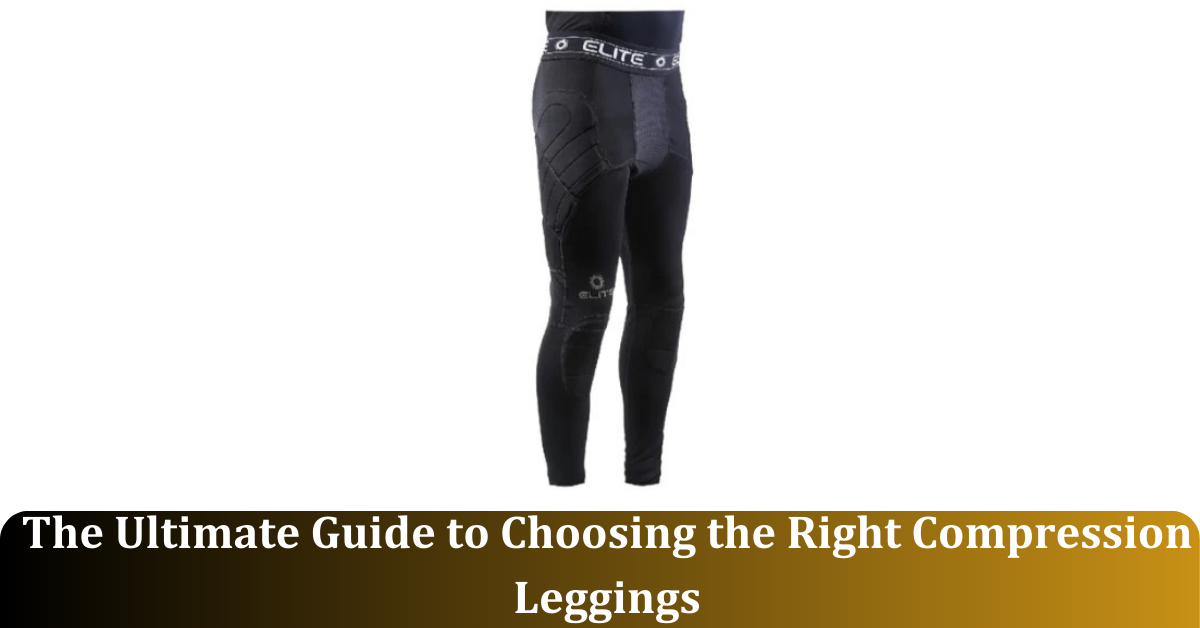
Compression leggings can support circulation, muscle stabilization, and comfort during activity or recovery. This guide explains how to choose compression leggings based on fit, compression level, fabric, and intended use, with practical tips for sizing and care.
- Decide whether the goal is performance, recovery, or everyday wear.
- Match compression level (mmHg) to use: light for support, moderate for recovery, higher levels for targeted medical needs.
- Prioritize proper fit, breathable fabrics, and transparent sizing charts.
- Look for graduated compression if improved venous return is desired.
Compression leggings: choosing the right level and fit
Understanding compression levels
Compression garments are sometimes described by pressure in millimeters of mercury (mmHg). Typical consumer ranges include light (8–15 mmHg), moderate (15–20 mmHg), and firm (20–30 mmHg). For athletic support and mild recovery, light-to-moderate compression is common. Medical-grade compression used for specific venous conditions is higher and typically requires professional fitting and guidance.
Fit and sizing essentials
Proper fit is critical: leggings should feel snug without causing numbness or pain. Measure key dimensions—waist, hip, and inseam—and compare them with the manufacturer’s sizing chart. Consider the brand’s stretch percentage and fabric composition; two garments labeled the same size can fit differently. If between sizes, choose according to desired compression: smaller size for firmer compression, larger size for lighter support.
Graduated vs uniform compression
Graduated compression decreases pressure from ankle to thigh to encourage venous return, which can help reduce swelling during long periods of sitting or standing. Uniform compression provides the same pressure across the limb and is often chosen for general support or aesthetic reasons. For improved circulation during travel or after heavy exercise, look for graduated designs.
Fabric, construction, and performance features
Fabric blends and durability
Common fabrics include nylon, polyester, and elastane (spandex). Higher elastane content increases elasticity and compression while nylon or polyester add durability. Denier or fabric weight can indicate opacity and robustness; heavier denier tends to last longer but may breathe less.
Breathability, moisture-wicking, and temperature control
Look for moisture-wicking and quick-dry finishes for high-intensity activity. Mesh panels or lighter-weight fabrics at the calf and behind the knee can improve ventilation. For cold-weather use, select brushed or insulated liners designed to retain heat without compromising compression.
Seams, gussets, and waistband design
Flatlock seams reduce chafing during long workouts. A gusseted crotch increases mobility. Waistband height and construction affect comfort: high-rise waistbands can reduce slippage, while wide elastic bands distribute pressure more comfortably than narrow bands.
Intended use and activity considerations
Performance and training
For running, HIIT, or weightlifting, choose leggings that combine moderate compression with full range-of-motion features (stretch panels, strategic seams). Compression aimed at muscle stabilization and proprioception may improve perceived comfort and reduce muscle oscillation.
Recovery and travel
During recovery or prolonged travel, graduated compression that focuses at the ankle is often preferred. Lighter fabrics can provide comfort for long wear times while maintaining circulation support.
Everyday wear and occupational use
For standing jobs or everyday support, prioritize comfort, breathability, and discreet appearance. Lower compression levels and softer waistbands are usually better for all-day wear.
Care, testing, and safety notes
Care and lifespan
Follow the manufacturer’s washing instructions to preserve elasticity. Typical lifespan depends on wear frequency and quality; replace when compression weakens or the fabric becomes misshapen.
Evidence and regulation
Clinical and sports research provides mixed but growing evidence on the benefits of compression garments for performance and recovery. For summaries of peer-reviewed research, consult trusted academic sources such as systematic reviews available through medical literature databases. One accessible review can be found here: systematic review on compression garments and exercise.
When to seek professional input
Compression intended to address circulatory or medical conditions differs from consumer apparel. For diagnosed venous disorders or other medical conditions, professional assessment and prescribed compression levels are appropriate.
Buying checklist
- Identify primary use: performance, recovery, travel, or daily support.
- Measure and consult sizing charts rather than relying on garment size alone.
- Choose compression level appropriate to the activity and comfort needs.
- Inspect fabric blend, seams, and waistband before purchase.
- Read product reviews that mention long-term fit retention and compression consistency.
FAQ
Do compression leggings improve recovery?
Some studies report reduced muscle soreness and perceived fatigue when using compression garments after intense exercise, likely due to reduced muscle vibration and improved venous return. Results vary by activity, compression level, and timing of use.
How tight should compression leggings feel?
They should feel snug and supportive without causing pins-and-needles, numbness, or sharp pain. Mild discomfort that eases after a short time may indicate appropriate fit; persistent pain or color changes in the skin suggests the garment is too tight.
Can compression leggings be worn all day?
Lower-compression leggings designed for everyday wear are typically safe for prolonged periods. Higher medical-grade compression intended for therapeutic use should follow professional guidance regarding duration.
How often should compression leggings be replaced?
Replacement depends on frequency of use and care; many users replace regularly worn compression leggings every 6–12 months, or sooner if elasticity declines.