How to Choose the Best Dental Veneers in Dubai: A Practical Guide
-
- Published Updated
- 1,347 views
Choosing dental veneers in Dubai involves assessing material options, clinical planning, cost, and the credentials of the dental team. This guide explains common veneer types, preparation steps, typical costs, and practical questions patients often ask when seeking cosmetic dentistry in the UAE.
- Veneer options include porcelain and composite; porcelain is more durable while composite is more affordable.
- Key factors: enamel preservation, smile design, laboratory quality, and clinician experience.
- Costs vary by material, number of teeth, and clinic; obtain a full treatment plan and estimate.
- Verify practitioner licensure and look for before-and-after cases; Dubai Health Authority sets local standards.
dental veneers in Dubai
What are dental veneers and who is a candidate?
Dental veneers are thin shells bonded to the front surface of teeth to change color, shape, or size. Common cosmetic goals include closing gaps, correcting minor misalignment, and covering stains that resist whitening. Candidates usually have good oral health, sufficient enamel for bonding, and realistic expectations about maintenance and longevity. A dentist will evaluate for decay, gum disease, bruxism (tooth grinding), and bite issues before recommending veneers.
Types of veneers: porcelain vs composite
Porcelain veneers
Porcelain veneers are custom-made in a dental laboratory. Advantages include superior aesthetics, stain resistance, and longer lifespan (often 10–15 years or more with proper care). Porcelain requires removal of a small amount of enamel in most cases to achieve a natural appearance and fit.
Composite veneers
Composite resin veneers are applied directly by the dentist or made in a lab. They are less expensive and often require minimal enamel removal. Composite can be repaired more easily than porcelain but tends to stain and wear faster, typically lasting 5–7 years depending on habits and maintenance.
Preparing for veneers and clinical considerations
Clinical assessment and smile design
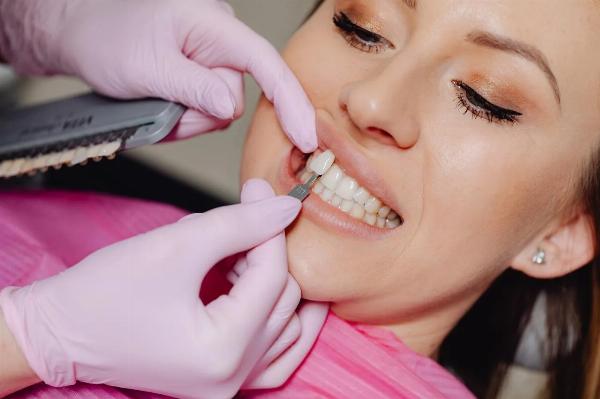
A thorough examination should include X-rays, photos, and digital or wax mock-ups of the proposed result. Digital smile design tools and trial veneers help patients visualize outcomes. Treatment planning should address bite forces, tooth vitality, and any need for orthodontics or restorative work prior to veneering.
Tooth preparation and bonding
Preparation ranges from minimal (no-prep or ultra-thin veneers) to conventional reduction of enamel. Conservative approaches preserve tooth structure but may not suit every case. Bonding technique and the quality of the dental laboratory significantly affect fit and longevity.
Cost, financing, and expected lifespan
Prices vary broadly in Dubai depending on material, clinician experience, and lab fees. Porcelain veneers generally cost more than composite. Request a full written estimate that lists diagnostics, provisional veneers, final restorations, and follow-up care. Many clinics offer payment plans; verify any financing terms in writing. Longevity depends on material and patient habits—ceramic veneers can last a decade or longer when maintained and protected from excessive forces.
Choosing a clinic and clinician in Dubai
Credentials and regulatory oversight
Check licensure and professional registration with the relevant regulator and look for dentists with postgraduate training in prosthodontics or cosmetic dentistry. In Dubai, the Dubai Health Authority (DHA) oversees licensing and local standards; patients can verify practitioner registration and clinic accreditation through regulatory resources.
For regulator information, consult the Dubai Health Authority: Dubai Health Authority.
Before-and-after photos and patient reviews
Review documented case examples that show results similar to the desired outcome. Written patient reviews and verified testimonials help assess consistency of results. Ask about the dental laboratory used and whether the clinician oversees lab work and shade matching.
Aftercare and maintenance
Maintenance practices include regular dental check-ups, good oral hygiene, avoiding hard or sticky foods, and using a nightguard for patients with bruxism. Stain-prone habits such as frequent consumption of tea, coffee, or tobacco can affect composite veneers more than porcelain. Prompt repair of chips or bond failures can extend the life of restorations.
When to seek follow-up
Contact the dental team if veneers feel loose, if there is sensitivity, or if margins show staining. Routine reviews allow polishing and minor repairs before small issues become larger.
Costs, risks, and realistic expectations
Veneers are a cosmetic restoration with benefits and limitations. Risks include sensitivity, need for future replacement, and potential for damage if protective measures are not used. A clear, written treatment plan, photographic documentation, and informed consent help set realistic expectations.
Frequently asked questions
How long do dental veneers last?
Longevity depends on material, oral habits, and maintenance. Porcelain veneers commonly last 10–15 years or longer with proper care; composite veneers typically last 5–7 years.
What is the difference between porcelain and composite veneers?
Porcelain offers superior stain resistance and durability but usually costs more and requires laboratory fabrication. Composite is more affordable and reparable but less durable and more prone to staining.
Are dental veneers in Dubai covered by insurance?
Coverage depends on the insurer and policy terms. Cosmetic procedures are often excluded or limited. Review the insurance policy and request a pre-treatment cost estimate and procedure codes to submit to the insurer for pre-authorization where applicable.
Can veneers be reversed?
Some veneer types, particularly no-prep or ultra-thin veneers, may be less invasive, but traditional veneers require enamel removal and are considered irreversible. Discuss alternatives and long-term implications with the treating dentist.
Choosing dental veneers should be based on clinical suitability, material properties, and a trusted treatment plan. Verifying practitioner credentials, reviewing documented results, and understanding costs and maintenance needs will help align expectations and improve the chance of a satisfying, long-lasting outcome.