Choosing the Right Dubai Injector for Natural-Looking Botox
-
- February 23rd, 2026
- 1,209 views

👉 Best IPTV Services 2026 – 10,000+ Channels, 4K Quality – Start Free Trial Now
Selecting a Dubai injector is a key step for anyone considering Botox who wants natural-looking results. The injector’s training, understanding of facial anatomy, injection technique, and adherence to local regulations influence safety, effectiveness, and the overall appearance after treatment.
- Natural-looking Botox depends less on product brand and more on injector expertise, facial assessment, and conservative dosing.
- Verify clinical qualifications, licensing, and experience with relevant facial areas (glabellar lines, crow’s feet, masseter, neck).
- Expect a thorough consultation, informed consent, documentation of medical history, and a clear aftercare plan.
Choosing a Dubai injector: what expertise matters
Expertise from a Dubai injector includes formal medical training, specific credentialing for aesthetic injections, and demonstrable experience treating a range of facial areas. Look for clinicians who are licensed by the relevant UAE authorities and who can document ongoing education in neuromodulators and facial anatomy.
Why injector training and anatomy knowledge affect natural-looking results
Botulinum toxin treatments rely on precise placement and dosing to soften dynamic wrinkles while preserving natural expression. Competent injectors understand the interplay of underlying muscles such as the corrugator, procerus, orbicularis oculi, and masseter. Knowledge of diffusion, dilution, and appropriate unit dosing reduces the risk of asymmetry, eyelid ptosis, or over-relaxation that can look "frozen."
How to evaluate qualifications and credentials
Licensing and professional registration
Confirm that the practitioner is licensed by local regulators and authorized to perform injectable aesthetic procedures. In the UAE, that typically means registration with the Dubai Health Authority (DHA) or other relevant emirate health authority. Public regulator websites list licensed facilities and practitioners.
Relevant clinical background
Preferred injectors often come from medical specialties such as dermatology, plastic surgery, or otolaryngology with formal training in aesthetic procedures. Completion of certified courses in neuromodulators and supervised practical experience are important indicators of technical competency.
What to expect from a good consultation
A thorough consultation not only documents medical history and allergies but evaluates facial structure, muscle activity at rest and during expression, and individual aesthetic goals. The practitioner should explain expected outcomes, limitations, possible side effects, and alternatives. Photographic documentation and a written consent form are standard practice.
Injection techniques that influence natural-looking outcomes
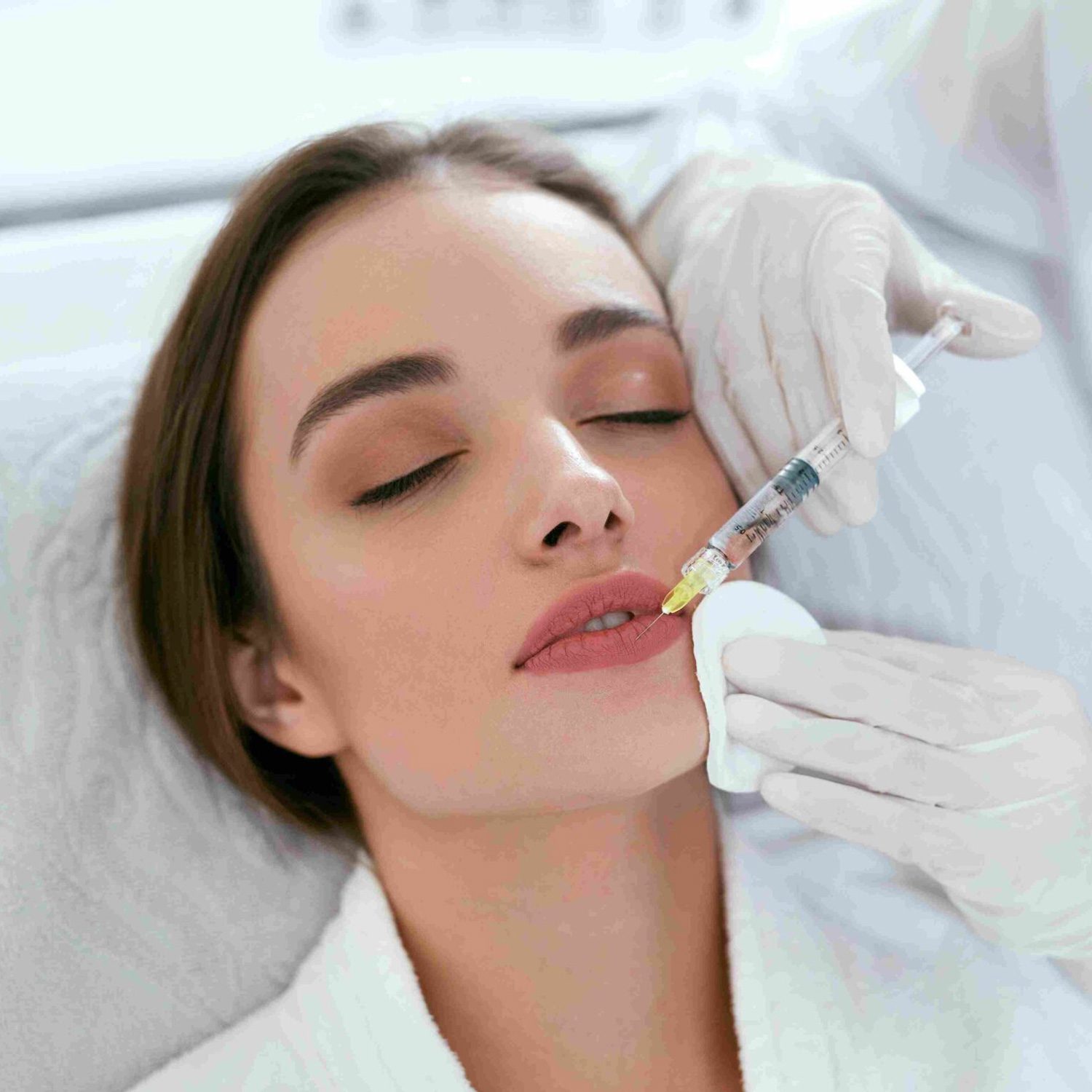
Techniques that support a natural result include conservative initial dosing, staged follow-up adjustments, symmetric placement guided by anatomy, and precise needle placement. Some injectors use smaller syringes for finer control, and careful dilution protocols to manage diffusion. Avoiding high-volume injections in single sessions reduces the likelihood of abrupt changes in expression.
Safety, complication management, and facility standards
Safe practice requires sterile technique, availability of emergency protocols for rare adverse reactions, and clear instructions for post-procedure care. Providers should be able to identify and manage common complications such as localized bruising or transient weakness and have referral pathways for more serious issues. Clinics should maintain records and comply with health authority inspection requirements.
Setting realistic expectations and follow-up
Natural-looking Botox often requires a conservative first approach with a follow-up review after two weeks to assess effect and make small adjustments. Discuss how muscle strength and prior treatments influence longevity and how subsequent sessions may be adjusted. Understand that achieving the desired balance between wrinkle reduction and preserved expression can take more than one visit.
How to verify claims and read reviews critically
Online before-and-after photos and patient reviews can be helpful but may not always reflect typical outcomes. Look for consistent, balanced feedback across multiple platforms and ask the practitioner for case examples similar to the intended treatment area. Verify claims about training and awards directly with certifying bodies when possible.
Regulatory and professional resources
Confirm licensing information with the Dubai Health Authority or the appropriate emirate regulator before booking a procedure. Official regulator sites provide guidance on licensed facilities and professional standards. For licensing information, consult the Dubai Health Authority: https://www.dha.gov.ae.
Cost considerations without compromising safety
Price varies by injector experience, location, and treatment complexity. Avoid choosing solely on cost; unusually low prices may indicate unlicensed practice, use of unregulated products, or insufficient training. A safer approach prioritizes credentials, transparent pricing, and an environment with documented quality standards.
Preparing for the appointment and aftercare
Follow the practitioner’s pre-appointment guidance about medications, alcohol, and skin care. Aftercare typically includes avoiding intense exercise for 24 hours, limiting facial massage near injection sites unless instructed, and following instructions to manage bruising or discomfort. Report any unexpected or severe symptoms promptly.
How to find a qualified Dubai injector?
Search for licensed practitioners with documented training in injectable neuromodulators, verify registration with the local health authority, review patient outcomes and ask for a consultation to discuss goals and clinical approach.
How long do results typically last?
Results vary by individual, treated muscle strength, and dosing. Typical durations for neuromodulator effects range from three to six months, with regular treatments potentially leading to longer intervals between sessions for some patients.
What are common side effects?
Common, temporary effects include mild bruising, redness, swelling, or localized discomfort. Less commonly, transient weakness of nearby muscles can occur. Serious adverse events are rare but require immediate medical attention. This article does not provide medical advice; discuss risks with a licensed practitioner.
Is follow-up included with treatment?
Many qualified practices include a short-term follow-up to assess results and make conservative adjustments. Clarify follow-up policies, fees, and timelines before treatment.