How to Choose Reliable Laser Tattoo Removal in Dubai: Options, Safety, and Cost
-

- Published Updated
- 1,369 views
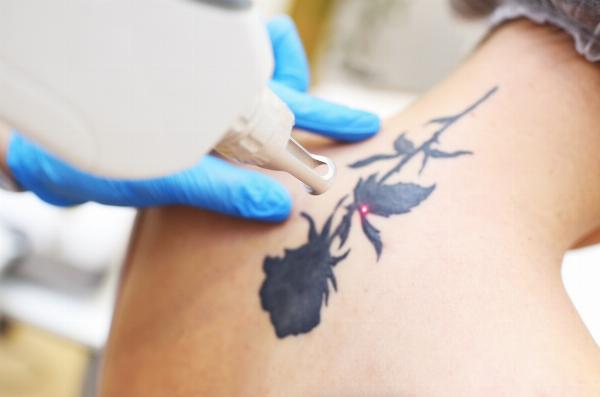
Choosing a safe provider for laser tattoo removal in Dubai starts with understanding how lasers work, the qualifications of practitioners, and the regulatory requirements that protect patients. This guide outlines common laser types, likely outcomes, safety considerations, and practical steps to find a reliable clinic.
- Laser tattoo removal in Dubai commonly uses Q-switched and picosecond lasers; effectiveness varies by ink color and skin type.
- Licensed clinics and trained medical practitioners reduce risk; verify licensing with local regulators.
- Multiple sessions spaced weeks apart are normally required; full removal is not guaranteed for all colors.
- Expect a consultation, patch test, informed consent, and documented aftercare instructions.
Laser tattoo removal in Dubai: common technologies and how they work
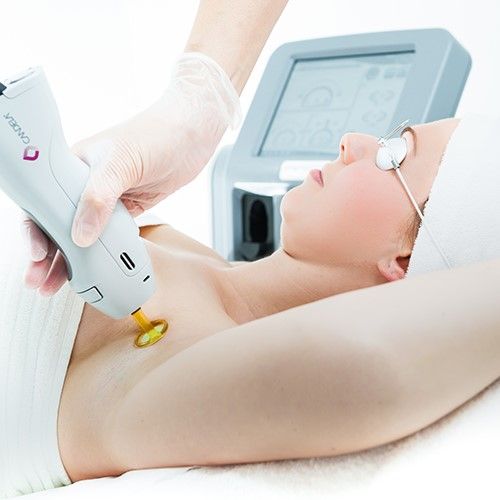
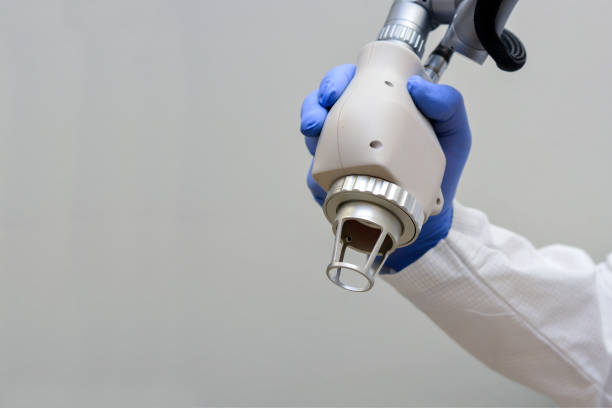
Lasers used for tattoo removal break ink particles into smaller fragments so the body can clear them. Two common technologies are Q-switched lasers (including Nd:YAG) and picosecond lasers. Q-switched lasers have been used for decades and are effective for many black and dark blue inks. Picosecond lasers deliver energy in a shorter pulse and can be more effective on some resistant colors like green and blue.
Who should perform laser tattoo removal
Reliable laser tattoo removal should be performed or supervised by licensed medical practitioners experienced in dermatologic lasers. In Dubai, clinics regulated by the Dubai Health Authority (DHA) or equivalent health regulators are expected to meet safety and staffing standards. Verify that the clinic and practitioner hold current licences and ask about experience with the specific laser type planned for treatment.
What to expect during consultation and treatment
Initial consultation
A consultation typically includes medical history, skin type assessment (Fitzpatrick scale), evaluation of tattoo size and colors, and discussion of realistic outcomes. A patch test on a small area is commonly offered to confirm the skin’s response to the selected laser.
Number of sessions and timeline
The number of sessions varies with ink color, ink depth, tattoo age, and individual healing. Many tattoos need multiple sessions spaced several weeks apart to allow skin recovery and ink clearance. Several sessions often produce progressive fading; complete removal for some colors may not be achievable.
Safety, risks, and aftercare
Common risks
Risks include temporary redness, swelling, blistering, pigment changes (hypopigmentation or hyperpigmentation), and, less commonly, scarring or infection. Darker skin tones may have a higher risk of pigmentary changes, which is why assessment by an experienced clinician is important.
Aftercare basics
Aftercare instructions typically include keeping the treated area clean, avoiding sun exposure, and following wound-care guidance to reduce infection and pigment changes. Clinics should provide written aftercare guidance and contact information for complications.
Costs and practical considerations
Costs for laser tattoo removal vary by clinic, tattoo size, color complexity, and the number of sessions required. Clinics may charge per session or offer package pricing for multiple sessions. Request an itemized estimate that includes consultation, patch test, treatment sessions, and follow-up care. Consider asking about cancellation policies and whether test patches are charged separately.
How to verify a reliable clinic in Dubai
- Confirm clinic and practitioner licences with the Dubai Health Authority or local regulator.
- Ask to see before-and-after photos from the actual practitioner for similar tattoo types and skin tones.
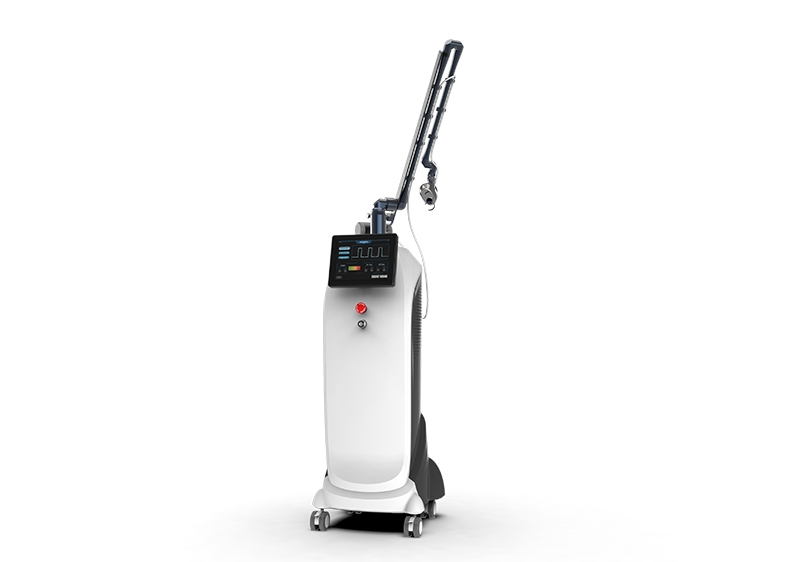
- Request details on the specific laser model, maintenance, and safety protocols such as eye protection and emergency procedures.
- Look for formal consent forms, pre-treatment assessment records, and clear aftercare instructions.
For regulatory information and to verify clinic licensing, consult the Dubai Health Authority website for guidance and licensed facility lists: https://www.dha.gov.ae. Additional guidance on laser safety and clinical standards may be found through professional dermatology organizations and peer-reviewed dermatology literature.
Questions to ask before booking
- What is the practitioner’s medical background and experience with this laser?
- Which laser model will be used and why is it suitable for the tattoo ink colors?
- How many sessions are typically needed for tattoos like this one, and what are the expected outcomes?
- What are the costs per session and for a complete treatment plan?
- What are the clinic’s infection-control and emergency procedures?
Evidence and expectations
Clinical evidence shows that laser tattoo removal effectiveness depends on factors including ink chemistry, pigment color, and patient skin type. Dark inks respond best to standard Q-switched Nd:YAG lasers at specific wavelengths, while some colors respond better to picosecond devices. Peer-reviewed dermatology research and consensus statements from professional societies describe these patterns and recommend careful patient selection and informed consent.
Final considerations
Reliable laser tattoo removal in Dubai combines appropriate technology, trained medical oversight, clear consent and aftercare, and verification of regulatory compliance. Taking time to research clinics, ask detailed questions, and confirm licensing helps reduce risk and improve the likelihood of satisfactory results.
Frequently asked questions
Is laser tattoo removal in Dubai safe?
Laser tattoo removal is generally safe when performed by trained practitioners in licensed facilities following proper protocols. Potential side effects include temporary irritation, pigment changes, and, rarely, scarring. Verification of clinic licensing and practitioner credentials with health regulators is recommended.
How many sessions will a tattoo typically need?
Session count varies; many tattoos require multiple treatments spaced weeks apart. Factors include ink color, depth, tattoo age, and individual healing. A clinician will provide an estimate after assessment.
Can all tattoo colors be fully removed?
Not always. Black and dark blue inks are generally the most responsive, while some greens, blues, and yellow pigments can be more resistant. Newer picosecond lasers can improve outcomes for some difficult colors but do not guarantee complete removal.
How should a clinic be checked before treatment?
Confirm the clinic’s licence with local regulators, ask about practitioner qualifications and experience, request before-and-after photos for similar cases, and ensure clear documentation of consent and aftercare instructions.
Will removal leave a scar?
Scarring is uncommon with appropriate laser techniques but can occur, especially if complications such as infection or improper aftercare arise. Choosing a qualified provider and following aftercare instructions lowers the risk.