How to Choose Resistance Bands in the UK: A Complete Buying Guide
-
- Published Updated
- 1,496 views
Choosing the right resistance bands in the UK starts with understanding how bands differ by material, resistance level and intended use. This guide explains key features, safety considerations, and shopping tips to match bands to strength training, rehabilitation or travel workouts.
- Decide on band format: loop, tube with handles, or therapy band.
- Match resistance levels to current strength and progression goals.
- Check materials (latex vs fabric) for durability and allergies.
- Inspect attachments, anchors and warranty before buying.
- Follow manufacturer guidance and official UK safety recommendations.
How to choose resistance bands in the UK
Define the primary use
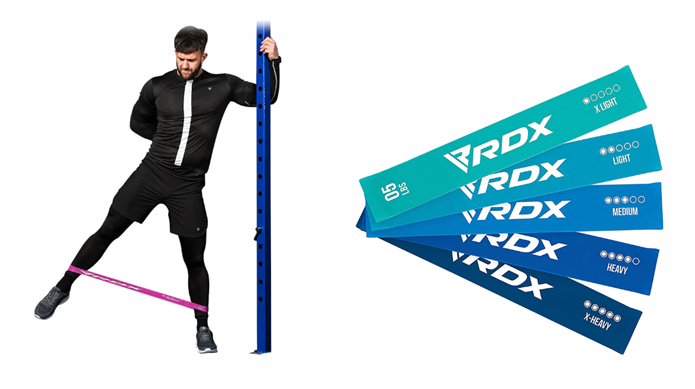
Select bands based on typical workouts. Loop bands (flat or joined in a circle) are common for glute and lower-body work and bodyweight progressions. Tube bands with handles or door anchors are better for upper-body pressing and pulling patterns. Therapy or thera-band style flat bands are favoured for physical therapy, mobility, and controlled rehab exercises.
Consider resistance levels and progression
Resistance is often described with colour codes by manufacturers, but there is no universal standard. Look for listings that provide resistance in kilograms or pounds, or clear beginner-to-advanced labels. For progressive overload, buy a set of bands covering a range (for example: light, medium, heavy, extra-heavy) so resistance can increase as strength improves.
Material, construction and performance
Latex, synthetic rubber and fabric
Latex bands are elastic and provide a smooth increase in tension, but can cause allergic reactions in some users. Fabric bands are often more comfortable around the skin, resist rolling and may last longer for heavy glute work, but they can provide less elastic tension per thickness. Synthetic rubber variants aim to balance durability and stretch. Check product descriptions for material details and allergy warnings.
Stitching, handles and anchors
Inspect how handles attach to tubes or whether loops are welded or stitched. Metal carabiners and reinforced stitching improve longevity. Door anchors should be sturdy and include clear instructions to avoid damage to doors or fittings. For tube sets, test how securely handles connect when under load.
Safety, standards and maintenance
Regulatory and authoritative guidance
Exercise equipment is subject to general product safety regulations in the UK. Look for products that reference applicable standards and offer CE/UKCA marking where relevant. Official organisations such as the British Standards Institution and Sport England publish guidance on safe exercise practice; for medical or exercise-related concerns, consult the NHS or a qualified health professional.
Inspect, store and replace
Check bands before each use for nicks, cracks or thinning. Store bands away from direct sunlight and heat to slow material degradation. Replace bands showing visible wear or if they no longer feel consistent in tension. Follow manufacturer recommendations for replacement intervals if provided.
Buying considerations specific to the UK market
Where to buy and warranty expectations
Retailers, specialist fitness stores and reputable online marketplaces sell band sets. Compare product descriptions, customer reviews and seller return policies. A clear warranty, transparent shipping and return options, and UK-based customer service are practical advantages. Avoid sellers with limited product information or unverifiable claims about resistance specifications.
Price versus value
Premium sets may offer reinforced handles, better materials and longer warranties. Cheaper bands can be suitable for occasional use but may wear faster. Consider whether additional accessories—such as door anchors, ankle straps, or carry bags—are included and whether replacement parts are available.
Practical tips for choosing and using bands
Fit bands to exercises
Use lighter bands for shoulder and arm exercises to protect joints and heavier bands for lower-body multi-joint movements. When combining bands with bodyweight or free weights, make small adjustments to tension or anchor points rather than relying on a single band type for all purposes.
Allergy and comfort considerations
Those with known latex allergies should explicitly seek latex-free products or fabric options. Padding or fabric sleeves can reduce skin irritation for extended contact during banded squats or hip thrusts.
Maintenance, cleaning and storage
Cleaning
Wipe bands with a damp cloth and mild soap, then air dry. Avoid abrasive cleaners or solvents that can degrade rubber. Fabric bands can usually be hand-washed according to manufacturer instructions.
Storage
Store bands flat or loosely coiled in a cool, dry place. Keep away from sharp edges and prolonged sunlight to preserve elasticity and prevent brittleness.
Checklist before purchase
- Confirm resistance ranges and how they relate to common exercises.
- Verify material and allergy information.
- Inspect attachment quality and included accessories.
- Check warranty, return policy and UK customer support options.
- Read verified user reviews that mention longevity and real-world resistance.
Frequently asked questions
Are resistance bands in the UK safe for beginners?
Resistance bands are generally safe for beginners when used correctly. Start with lighter resistance, follow manufacturer instructions, use secure anchors, and progress gradually. For health conditions or recent injuries, consult a qualified professional before starting a new exercise routine.
How should resistance levels be compared across brands?
Compare resistance bands by the measurable resistance values provided (kilograms or pounds) rather than colours alone. Where possible, consult independent reviews or product tests that measure actual tension at specified stretches.
Can bands replace weights for strength gains?
Resistance bands can deliver meaningful strength and hypertrophy improvements, especially for bodyweight-based routines and variable resistance training. For maximal strength goals or very heavy loading, bands are often used in combination with free weights rather than as a complete replacement.
How long do resistance bands typically last?
Longevity depends on material, frequency of use and care. With proper storage and regular inspection, quality bands can last months to years. Replace bands showing wear, loss of elasticity, or surface damage.