How to Choose the Right Laser Treatment in Dubai: Practical Guide & Checklist
-

- March 15th, 2026
- 662 views
Deciding on laser treatment Dubai requires comparing clinical indication, device type, provider qualifications, and local regulations. This guide explains the main laser options, when each is appropriate, and a clear checklist to select a safe, effective clinic and protocol.
- Match the laser type (e.g., alexandrite, diode, Nd:YAG, fractional CO2) to the problem—hair removal, pigmentation, vascular lesions, or resurfacing.
- Use the PRISM checklist (Provider, Regulation, Indication, Safety, Machines) to evaluate clinics.
- Consider skin phototype, downtime, and realistic outcomes; confirm device settings and aftercare plan.
- For local standards and licensing, check the Dubai Health Authority.
Commercial Investigation
Key factors when choosing laser treatment Dubai
What the clinic should provide
Confirm that a licensed physician (dermatologist or plastic surgeon) evaluates the case, reviews medical history, and documents informed consent. Clinics should provide patch tests, clear pre- and post-care instructions, and explain realistic outcomes for the chosen procedure.
Common laser categories and uses
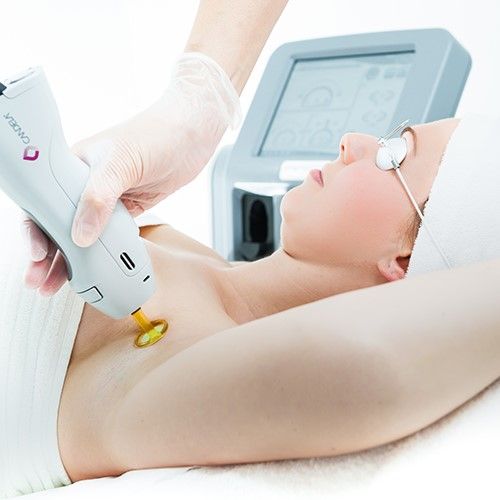
- Hair removal: diode, alexandrite, and Nd:YAG lasers—choice depends on skin phototype and hair color.
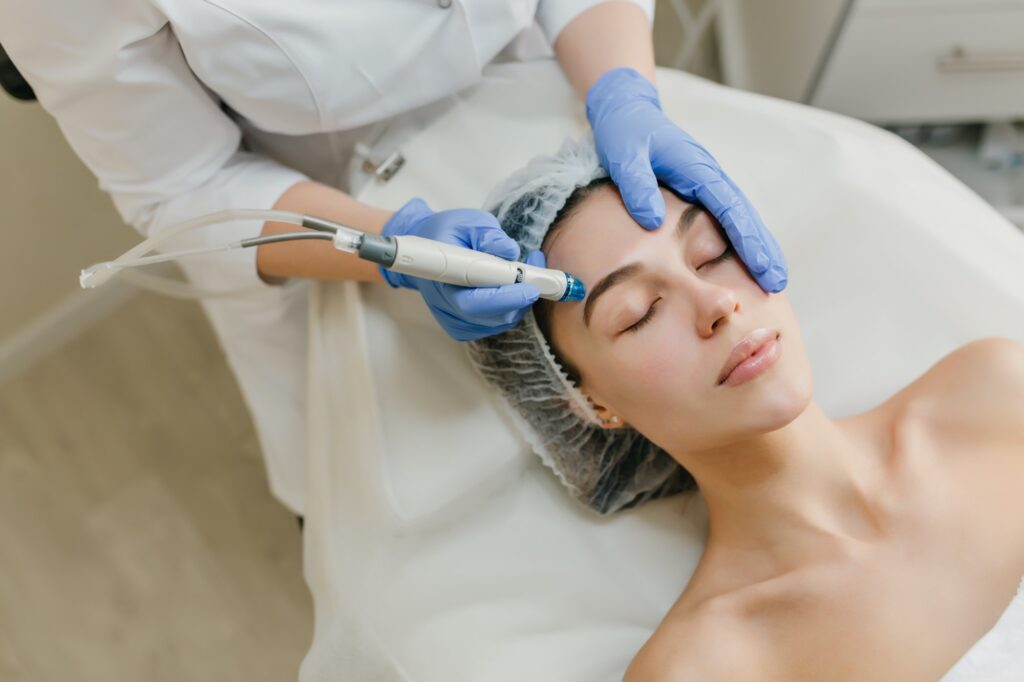
- Skin resurfacing: fractional CO2 or erbium lasers for texture, acne scars, and deep wrinkles.
- Pigmentation: Q-switched and picosecond lasers for lentigines, tattoos, and focal pigment.
- Vascular lesions: pulsed dye and Nd:YAG for telangiectasia and deeper veins.
PRISM checklist: a named framework to evaluate clinics
PRISM is a practical model to compare providers before booking:
- Provider — Board certification, specialization, and documented laser experience.
- Regulation — Local licensing and clinic accreditation; check Dubai Health Authority policies.
- Indication — Evidence that the chosen laser is appropriate for the condition and skin type.
- Safety — Protocols for eye protection, emergency management, anesthesia, and infection control.
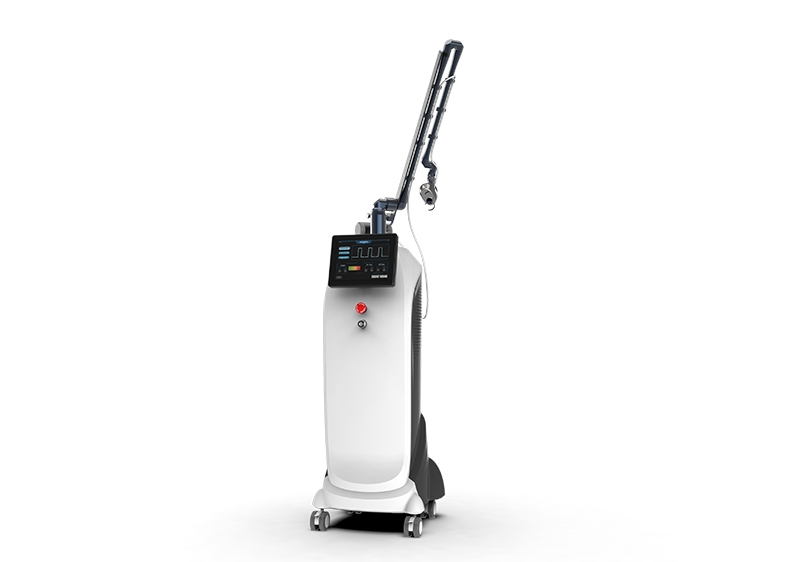
- Machines — Device model, manufacturer specifications, maintenance records, and availability of calibrated settings.
Reference: Dubai Health Authority maintains licensing standards and practice requirements for cosmetic clinics. Dubai Health Authority
Core cluster questions
- Which laser types work best for hair removal on darker skin?
- How many sessions are needed for fractional CO2 skin resurfacing?
- What aftercare reduces risk of pigmentary change after laser?
- How to check a clinic's laser device maintenance and calibration?
- What medical conditions make laser treatment unsafe?
Real-world example scenario
A 35-year-old with Fitzpatrick skin type V in Dubai seeks permanent hair reduction on the lower face. The PRISM checklist leads to selecting a clinic that offers Nd:YAG lasers, a pre-treatment patch test, and a dermatologist consultation. The plan: 6–8 Nd:YAG sessions spaced 6–8 weeks apart, strict sun avoidance, and topical soothing and bleaching agents if post-inflammatory hyperpigmentation appears.
Practical tips before booking any laser procedure
- Ask to see before-and-after photos of patients with a similar skin type and indication.
- Request device model and settings used for the demonstrated results; avoid clinics that refuse specifics.
- Schedule a patch test and allow 48–72 hours to assess immediate reactions, especially for pigment-prone skin.
- Get a written estimate including expected number of sessions and likely maintenance visits.
- Confirm written aftercare instructions and an emergency contact for post-procedure complications.
Trade-offs and common mistakes
Trade-offs to understand
Stronger devices or higher fluence settings can speed results but increase risk of burns, scarring, or pigment changes—especially on darker skin tones. Cosmetic clinics that advertise low prices for many sessions may use lower-power devices that produce suboptimal outcomes, increasing long-term cost and downtime.
Common mistakes
- Choosing a clinic based solely on price or promotions without verifying provider credentials.
- Failing to match laser wavelength to skin phototype and indication (e.g., using alexandrite on very dark skin without caution).
- Skipping patch testing and assuming post-inflammatory hyperpigmentation won’t occur.
Aftercare essentials and recovery expectations
Expect transparent pre- and post-care guidance: sun avoidance, topical emollients, and possibly short courses of topical steroids or antibiotics if prescribed. For resurfacing lasers, schedule downtime and arrange for wound-care supplies. For hair removal, avoid waxing or plucking between sessions; follow provider guidance on shaving and sunscreen.
Frequently asked questions
How to choose the best laser treatment Dubai for my skin?
Start with a dermatologist assessment to determine skin phototype and the exact issue. Use the PRISM checklist to verify provider qualifications and device appropriateness. For darker skin tones, Nd:YAG is often safer for hair removal; fractional CO2 requires experienced operators and conservative settings for resurfacing.
How many sessions will a typical laser hair removal course need?
Most patients require 6–8 sessions for significant reduction, spaced 4–8 weeks apart depending on the body area. Hormonal factors can extend the number of sessions or require maintenance.
What are the risks of laser skin resurfacing and how can they be minimized?
Risks include infection, scarring, pigment changes, and prolonged redness. Minimization strategies: operator experience, conservative energy settings for darker skin, strict sun avoidance, and adherence to aftercare protocols.
When is a patch test necessary and what does it show?
A patch test is essential for pigment-prone skin and new device types. It reveals immediate allergic or inflammatory responses and helps verify that the chosen settings are tolerated without unacceptable pigmentary change.
Can an unlicensed clinic offer safe laser procedures?
Licensed providers reduce risk because of mandatory standards for equipment, staff training, and emergency procedures. Confirm clinic licensing through local health authorities and avoid unlicensed operations.
For ongoing safety guidance and up-to-date licensing rules, consult local regulatory bodies and recognized dermatology associations such as the American Academy of Dermatology for procedure standards.