
How Long Do Cigarettes Last? A Practical Guide to Cigarette Shelf Life
-

- Published Updated
- 2,310 views
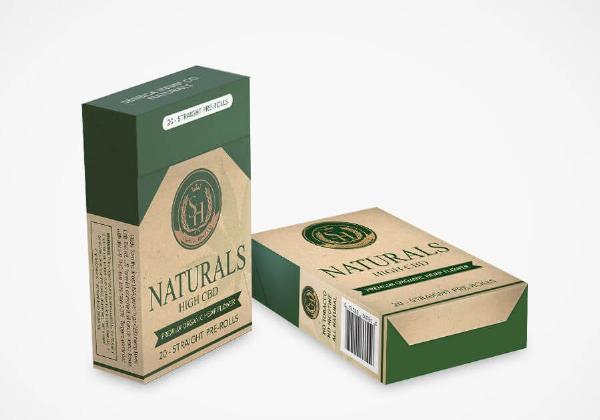
The shelf life of cigarettes varies depending on packaging, storage conditions, and tobacco chemistry. Understanding how moisture, oxidation, and contaminants affect a cigarette can help determine how long a pack remains usable and what risks degraded tobacco may pose.
- Properly sealed cigarettes in original packaging can remain stable for months to years, but quality declines over time.
- Humidity, temperature, light, and oxygen accelerate nicotine and flavor compound changes and can promote mold growth.
- Signs of degradation include changed smell, altered burn characteristics, and visible mold; when in doubt, discard safely.
- Official health agencies such as the World Health Organization (WHO), the U.S. Food and Drug Administration (FDA), and the Centers for Disease Control and Prevention (CDC) provide guidance on tobacco product safety and regulation.
Understanding the shelf life of cigarettes
Cigarette shelf life is not a single fixed number because tobacco products are affected by multiple physical and chemical processes. Nicotine and volatile flavor compounds can degrade or evaporate, while paper and filters absorb moisture. Packaged cigarettes usually include a moisture level designed for flavor and burn consistency; when that moisture balance shifts, perceived freshness falls. Regulatory bodies do not typically set a mandatory 'expiration date' for cigarettes, but manufacturers and public health organizations note that sensory and chemical changes occur over time.
Key factors that affect longevity
Moisture and humidity
High humidity can cause the tobacco to become damp, leading to poor draw, slower burn, and a higher risk of mold. Low humidity dries tobacco, increasing harshness and accelerating the breakdown of volatile flavor compounds. Ideal relative humidity for stored tobacco products is often cited in the 50–60% range in hobbyist tobacco storage literature, though commercial packaging aims to maintain a usable moisture level.
Oxygen and oxidation
Exposure to oxygen causes oxidation of oils and other compounds in tobacco. Oxidation changes aroma and taste and can make smoke harsher. Vacuum-sealed or foil-lined packs reduce oxygen exposure and slow these changes.
Temperature and light
Higher temperatures accelerate chemical reactions that degrade nicotine and flavor compounds. Direct sunlight can heat packs and break down certain chemicals, while fluctuating temperatures create condensation inside packaging, contributing to moisture changes.
Packaging and additives
Modern cigarette packaging (foil wrappers, airtight boxes, humidity control elements) helps extend usable life by limiting oxygen and moisture exchange. Additives and humectants in tobacco can influence how the product reacts to environmental changes.
Signs that cigarettes have degraded
Changes to look for include:
- Off or musty odors suggesting mold or significant chemical change.
- Altered burn rate: cigarettes that burn too fast or too slowly compared to new packs.
- Changes in taste: increased harshness, bitterness, or loss of intended flavor profile.
- Visible mold or discoloration on the tobacco or inside the pack.
Storage best practices to extend usable life
To maintain cigarette quality for longer periods, store packs in a cool, dark place with stable temperature and moderate humidity. Keep original packaging sealed until use. Avoid storing near heat sources or in direct sunlight. Airtight containers and dedicated humidors designed for tobacco can slow quality loss, but careful monitoring is recommended to avoid excess humidity and mold.
Safety, disposal, and regulatory context
Degraded tobacco that shows mold or unusual chemical smells should be discarded; burned or smoldering materials present fire hazards and require safe disposal practices. Public health and regulatory agencies such as the WHO and the FDA provide information on tobacco product regulation, health effects, and safety considerations. For general information on tobacco and health, see the CDC's resources on tobacco and smoking: CDC - Tobacco.
What research says
Scientific literature on tobacco aging, oxidation of nicotine and flavor compounds, and storage effects exists across chemistry and public health journals. Research often focuses on chemical changes in cured tobacco, the impact of storage conditions on volatile compounds, and microbial risks under high humidity. Regulatory agencies may require stability or ingredient reporting in some jurisdictions, but explicit 'use by' dates are uncommon for commercial cigarettes.
Practical takeaways
- There is no universal expiration date; quality declines gradually and may be noticeable within months under poor storage conditions.
- Store packs sealed in cool, stable, dark conditions to slow deterioration.
- Discard any product with visible mold, unusual odors, or significant change in burn behavior.
- Refer to official public health sources for regulatory and health-related guidance.
Further reading and sources
Official public health agencies such as the World Health Organization (WHO), the U.S. Food and Drug Administration (FDA), and the Centers for Disease Control and Prevention (CDC) provide oversight and information about tobacco product safety, health impacts, and regulation.
FAQ
How long is the shelf life of cigarettes?
There is no fixed shelf life applicable to all cigarettes. Properly sealed packs stored in ideal conditions can remain usable for many months or longer, but sensory and chemical quality usually decline over time. Signs of degradation should prompt disposal.
Can tobacco in cigarettes grow mold?
Yes. High humidity and poor ventilation can lead to mold growth on tobacco inside packs. Visible mold or musty odors indicate contamination and the product should be discarded.
Do cigarettes become safer or more dangerous with age?
Aging does not make cigarettes safer. Chemical changes can alter the smoke composition, but aging does not remove the health risks associated with tobacco use. Any concerns about product safety should be evaluated with guidance from official public health resources.
Are there recommended storage devices for extending shelf life?
Humidors and airtight containers designed for tobacco can help maintain moisture balance, but improper use (excess humidity) can cause mold. Store in stable conditions and monitor humidity if using these devices.
