Why People Use Colonic Hydrotherapy: Causes, Risks, and Evidence
-

- Published Updated
- 1,807 views
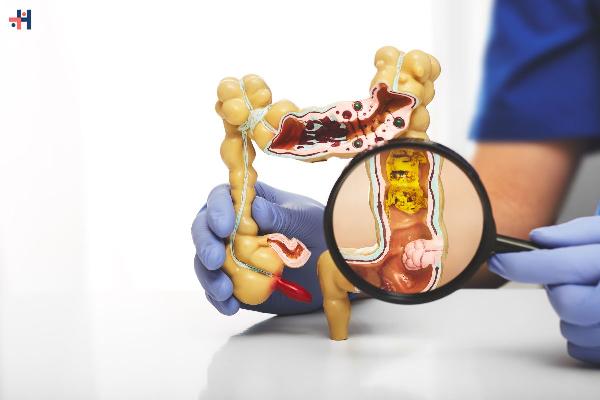
Colonic hydrotherapy causes questions for many people considering the treatment, because the phrase links the motivations, physiological effects, and reported outcomes of colon irrigation. This article explains what colonic hydrotherapy is, why people pursue it, how the procedure works, and the potential implications for gut function and general health.
- Colonic hydrotherapy (also called colon irrigation) involves flushing the large intestine with water or other fluids.
- Common reasons people seek the treatment include constipation relief, a desire for "detoxification," and preparation for certain procedures.
- Potential risks include electrolyte imbalance, infection, bowel perforation, and changes to the gut microbiome.
- Evidence is limited; official health authorities advise caution and consultation with licensed clinicians.
Colonic Hydrotherapy Causes: Understanding the Treatment and Its Implications
What is colonic hydrotherapy?
Colonic hydrotherapy, often referred to as colon irrigation, is a procedure that introduces water (sometimes with additives) into the rectum and large intestine via a controlled flow to flush fecal matter and fluids out. The process may be performed in clinical or spa settings by practitioners using various equipment designs. Related practices include enemas and bowel cleansing routines used prior to diagnostic tests such as colonoscopy.
How the procedure works
The technique uses gravity or a regulated pump to infuse water and then drain it. Sessions vary in volume, temperature, and duration. Some providers add saline, herbal solutions, or probiotics; others use plain filtered water. The mechanical flushing can stimulate peristalsis (intestinal contractions) and temporarily alter stool consistency. Physiological concepts relevant to effects include osmosis, fluid balance, electrolyte shifts, and potential disruption of resident intestinal flora.
Common reasons people seek colonic hydrotherapy
Symptom relief and constipation
One common motivation is relief from chronic or occasional constipation. By mechanically evacuating the colon, some people experience immediate bowel movements and a subjective reduction in bloating or discomfort.
Perceived detoxification and well-being
Another frequently cited cause is the belief that colon irrigation removes "toxins" or accumulated waste, contributing to improved energy, skin condition, or weight management. Scientific definitions of "detoxification" vary, and the body’s liver and kidneys are primary organs for metabolic detoxification.
Preparation for medical or alternative procedures
Colonic irrigation is sometimes used as an alternative for bowel prep before stool-based tests or as a complement to alternative health regimens. For diagnostic procedures like colonoscopy, clinically approved bowel preparations are standardized and recommended by healthcare providers.
Potential risks and complications
Infection and equipment-related hazards
Risks can include introduction of pathogens if equipment is not sterile. Cross-contamination risks and infection are concerns documented in case reports. Regulatory standards for equipment cleaning vary by jurisdiction.
Electrolyte imbalance and fluid shifts
Large-volume irrigation can change serum electrolytes (sodium, potassium) and fluid balance, particularly in older adults or people with kidney disease, heart conditions, or on diuretics. Electrolyte disturbances may produce symptoms such as weakness or irregular heartbeat in severe cases.
Bowel perforation and injury
Although uncommon, mechanical trauma or pressure can cause perforation of the intestinal wall. Perforation is a serious complication that requires immediate medical attention.
Altered microbiome and mucosal effects
Repeated irrigation may transiently change the composition of the gut microbiome and alter the mucosal environment. Long-term consequences of such changes are not well established and are an active area of research in gastroenterology.
Evidence, guidance, and regulatory context
What health organizations say
Major health authorities emphasize limited evidence for routine use of colon hydrotherapy and recommend caution. Clinical guidance for bowel preparation prior to endoscopic procedures favors standardized regimens evaluated in trials. For general consumer information, consult reputable sources; for example, the National Health Service provides an overview of colon cleansing and cautions about potential harms: NHS: Colon cleansing.
Research and academic literature
Peer-reviewed literature on colonic hydrotherapy is limited and includes case reports, small observational studies, and reviews. Searches of databases such as PubMed and assessments by gastroenterology societies provide the best available summaries of benefits and risks. Where possible, randomized controlled trials and systematic reviews are preferred for assessing efficacy and safety.
Choosing a provider and safety considerations
Qualifications and informed consent
Seek providers with appropriate licensing and clinical oversight where regulated. Proper informed consent should describe potential benefits, alternatives, and risks. Communication with a licensed healthcare professional or gastroenterologist is advisable when underlying health conditions exist.
When to avoid the procedure
Caution is generally advised for individuals with inflammatory bowel disease, recent bowel surgery, severe hemorrhoids, heart or kidney disease, or compromised immune systems. In such conditions, interventions that alter fluid or mucosal integrity may carry higher risk.
Aftercare and monitoring
Aftercare may include monitoring for signs of infection, bleeding, severe abdominal pain, dizziness, or fainting. Follow-up with a licensed clinician is important if unexpected symptoms appear.
Further reading and sources
Relevant entities for further information include national health services, regulatory agencies that oversee medical devices, and academic databases such as PubMed for peer-reviewed studies. Professional societies in gastroenterology publish clinical practice guidelines concerning bowel preparation methods and safety considerations.
Summary and practical considerations
Colonic hydrotherapy causes a range of physiological effects depending on technique, volume, and individual health. Motivations for the procedure include constipation relief, perceived detoxification, and preparation for procedures. Potential risks such as infection, electrolyte imbalance, and bowel injury underscore the importance of understanding evidence, regulatory guidance, and choosing qualified providers. Review of reputable health sources and discussion with licensed clinicians can help people make informed decisions consistent with their health needs.
Frequently asked questions
What are common colonic hydrotherapy causes for seeking the treatment?
Common causes include constipation relief, a desire for perceived detoxification, preparation for diagnostic or therapeutic procedures, and management of bloating. Individual motivations vary and are influenced by personal beliefs, prior experiences, and advice from alternative health practitioners.
Is colonic hydrotherapy considered medically necessary?
Most clinical guidelines do not consider routine colonic hydrotherapy medically necessary for general health. Established bowel-preparation protocols for procedures such as colonoscopy are typically preferred in clinical practice.
How can risks be minimized if the procedure is chosen?
Risks may be reduced by selecting a licensed, medically supervised provider, ensuring equipment sterility, disclosing medical history, and following guidance on fluid and electrolyte monitoring. Individuals with chronic medical conditions should consult qualified health professionals before undergoing the procedure.
Where to find more information from official sources?
Official guidance and consumer information can be obtained from national health services, professional gastroenterology societies, and peer-reviewed research indexed in PubMed. Regulatory agencies also provide information about device safety and practitioner standards.