Safe Strategies for Combining Lip Fillers with Other Facial Treatments
-

- March 10th, 2026
- 1,019 views
Combining Lip Fillers with Other Facial Treatments: an Overview
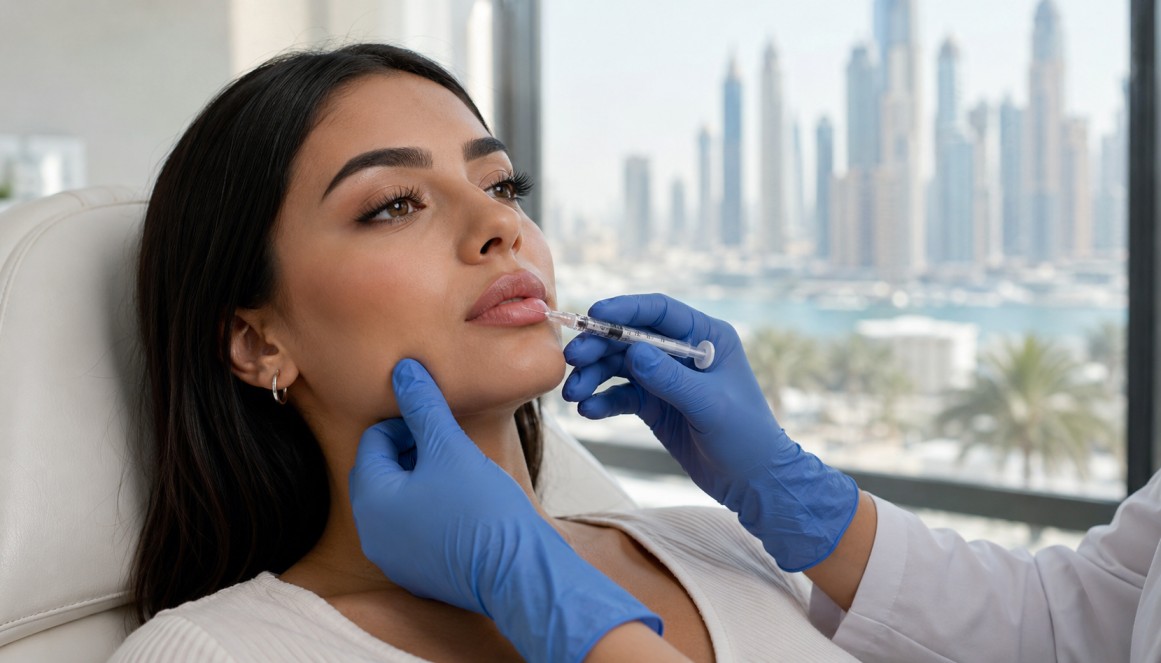
Lip fillers are a popular cosmetic procedure used to add volume, shape, and symmetry to the lips. Many people consider combining lip fillers with other facial treatments—such as neuromodulators, laser resurfacing, chemical peels, or microneedling—to address multiple concerns in one treatment plan. Understanding interactions, timing, and possible risks helps inform decisions and improves outcomes.
- Timing matters: schedule invasive or inflammatory procedures with appropriate spacing around injections.
- Common combinations include injectables with neuromodulators, dermal fillers, and minimally invasive skin treatments.
- Risks include increased swelling, bruising, infection, and rare vascular complications; choose a trained, licensed clinician.
- Regulatory guidance and a pre-treatment consultation are recommended before combining procedures.
Which Facial Treatments Are Commonly Combined with Lip Fillers?
Neuromodulators and Other Injectables
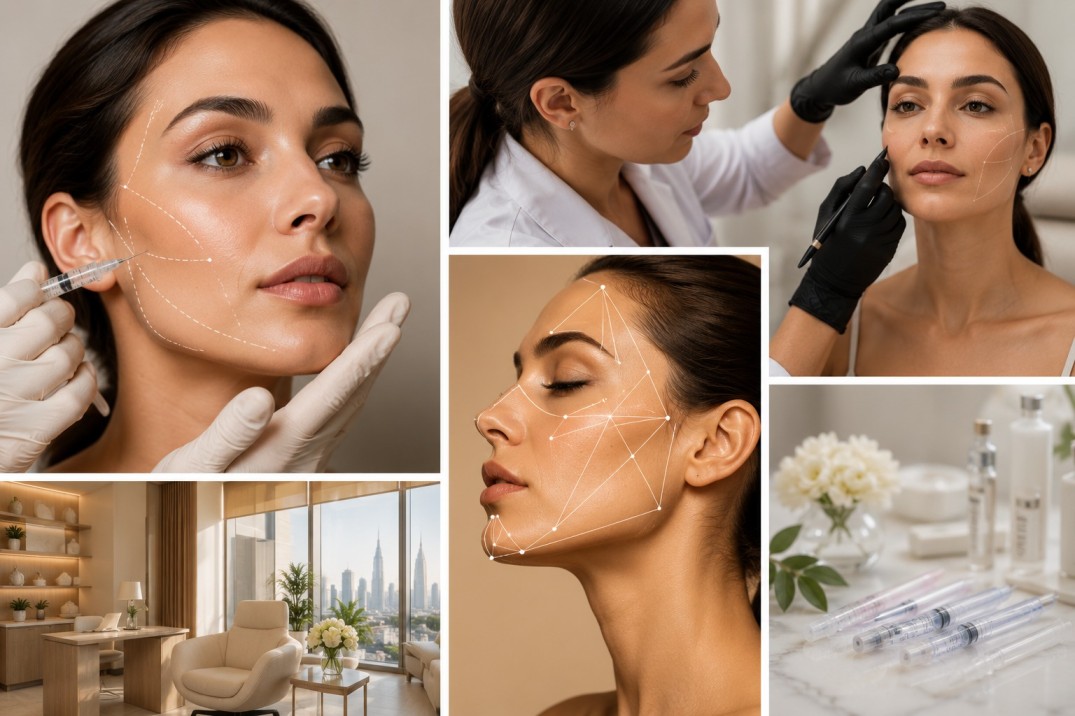
Neuromodulators (agents that reduce muscle activity) are frequently paired with lip fillers to improve perioral lines and balance muscle pull around the mouth. Combining different injectables in the same session is common, but clinicians typically adjust dosing and injection sites to reduce complications.
Dermal Fillers for Adjacent Areas
Fillers used for cheeks, nasolabial folds, or marionette lines can complement lip augmentation by restoring midface support and improving overall facial proportions. Coordinated planning helps create a harmonious result.
Skin Resurfacing: Lasers and Chemical Peels
Procedures that resurface the skin—such as ablative or non-ablative lasers and medium- to deep-strength chemical peels—stimulate inflammation and require careful scheduling relative to injections. These treatments can improve skin texture and pigment but may increase temporary swelling if performed too close to filler injections.
Microneedling and Radiofrequency
Microneedling and radiofrequency microneedling promote collagen production and can be used near the perioral area. These treatments cause controlled micro-injury; timing them appropriately around filler injections helps limit infection risk and unwanted filler displacement.
Safety and Timing for Lip Fillers with Other Procedures
Deciding when to combine treatments depends on treatment invasiveness, the filler material (for example, hyaluronic acid), and individual healing responses. When planning combined care, a clinician will consider product characteristics, treatment goals, and medical history.
General Timing Guidelines
- Noninflammatory procedures (such as some neuromodulator injections): may be performed in the same visit with careful technique.
- Minimally invasive skin treatments (eg, light chemical peels, gentle microneedling): often scheduled at least 1–2 weeks before or after filler to reduce overlapping inflammation.
- More aggressive resurfacing (deep chemical peels, ablative lasers): generally wait 2–4 weeks after injections, or inject after full healing—clinician judgment varies.
Signs to Watch For
After combined treatments, expect some swelling and bruising. Concerning signs that warrant prompt professional review include severe or increasing pain, progressive or unusual discoloration, skin blanching, blistering, fever, or signs of infection. Clinicians typically outline expected side effects and emergency contacts during informed consent.
Risks, Interactions, and How They Are Managed
Increased Swelling and Bruising
Combining procedures that cause inflammation can prolong swelling or increase bruising. Strategies to reduce these effects include staging treatments, using conservative filler volumes, and avoiding certain medications or supplements that increase bleeding risk—after discussion with a clinician.
Infection Risk and Wound Healing
Any treatment that breaks the skin increases infection risk. Protocols to reduce infection include sterile technique, appropriate post-procedure care, and deferring injections when active skin infections or outbreaks (for example, cold sores) are present.
Vascular Complications and Filler Placement
Although rare, vascular occlusion is a serious complication of injectable fillers. Combining fillers with procedures that alter tissue perfusion or increase pressure in the area may complicate recognition or management. Providers trained in complication recognition and reversal techniques are essential.
Preparing for Combined Treatments and Choosing a Provider
Consultation and Documentation
A pre-treatment consultation should cover medical history, allergies, prior cosmetic treatments, and realistic expectations. Documentation of products used, injection sites, and lot numbers is part of best practice.
Provider Credentials and Setting
Select a licensed and trained clinician—such as a board-certified dermatologist, plastic surgeon, or other qualified medical specialist—who practices in an accredited facility. Professional organizations and national regulators provide guidance and credentialing standards relevant to injectables and aesthetic procedures.
For regulatory information about dermal fillers and safety, consult guidance from official sources such as the U.S. Food and Drug Administration: FDA guidance on dermal fillers.
Recovery and Aftercare
Typical Aftercare Steps
- Avoid strenuous exercise and excessive heat for 24–48 hours to limit swelling.
- Avoid manipulation of the treated area and follow topical care instructions.
- Use cold compresses for initial swelling and discuss medications or topical agents with the treating clinician.
Follow-up and When to Seek Help
Attend scheduled follow-up visits so the provider can assess healing and any need for adjustment. Contact the clinician promptly for signs of infection, worsening pain, or unexpected changes in color or sensation.
References and Professional Resources
Professional societies—such as the American Academy of Dermatology and the American Society of Plastic Surgeons—publish patient information and clinician resources on injectables and combined treatments. Regulatory agencies also provide safety communications and product approvals.
Frequently Asked Questions
Can lip fillers be combined with other cosmetic treatments?
Yes, lip fillers are often combined with other treatments, but the decision depends on the specific procedures, timing, and individual health factors. A qualified clinician can recommend an appropriate treatment schedule to minimize risks.
How long should one wait between a chemical peel and filler injections?
Wait times vary depending on peel depth: light peels may allow shorter intervals, while medium to deep peels typically require several weeks for healing before elective injections. Discuss timing with the treating provider.
What are the signs of a complication after combined facial procedures?
Concerning signs include increasing pain, persistent or spreading redness, blistering, fever, or changes in skin color such as persistent blanching or mottled discoloration. These symptoms merit prompt clinical evaluation.
How should a provider be chosen for combined aesthetic treatments?
Choose a clinician with appropriate medical licensing, specific training in injectables and the other procedures being considered, and experience managing complications. Confirm the clinical setting follows infection-control standards and has emergency protocols.