Avoid These Painting Mistakes: Practical Guide for a Flawless Finish
-

- March 09th, 2026
- 178 views

Get a free topical map and start building content authority today.
Every weekend painter or homeowner should know the common painting mistakes to avoid before starting a job. Small oversights — from poor surface prep to using the wrong sheen — create visible flaws that are costly to fix. This guide organizes practical steps, a named checklist, and trade-offs to help produce a lasting, professional-looking finish.
- Focus on surface preparation, correct tools, and proper drying times.
- Use the C.L.E.A.N. Painting Checklist before painting.
- Address common trade-offs: primer vs self-priming paint, sheen selection, and application speed.
painting mistakes to avoid: the core problems and how they show up
Most failed finishes fall into predictable categories: adhesion failures (peeling, flaking), visible surface defects (brush marks, lap lines), uneven sheen, and premature wear. Identifying the root cause helps choose the correct remedy—sanding and primer for adhesion, proper roller nap for textured walls, or correct drying conditions to avoid blistering.
C.L.E.A.N. Painting Checklist (named framework)
The C.L.E.A.N. Painting Checklist is a short, repeatable framework for pre-paint checks. Follow each letter in sequence before opening a can of paint.
- C — Clear the area: Remove furniture or cover with drop cloths; protect floors and trim.
- L — Look for defects: Check for cracks, holes, old flaking paint, and mold.
- E — Ensure surface adhesion: Sand glossy surfaces, remove loose paint, and wipe away dust.
- A — Apply primer or sealer where needed: New drywall, stains, or patched areas benefit from primer.
- N — Note conditions: Record temperature, humidity, and recommended drying times on the can label.
How to prep walls for painting (secondary keyword)
Proper prep is the step most often skipped. For drywall, fill holes with joint compound, sand smooth, and clean the surface. For previously painted walls, remove loose paint, sand any glossy areas, and clean grease or smoke residue with a trisodium phosphate alternative. For homes built before 1978, follow lead-safe practices and consult official guidance before sanding or scraping; see EPA lead paint information for safety resources and regulations.
Common mistakes, trade-offs, and when each choice is right
Skipping primer vs using self-priming paint
Trade-off: Skipping primer saves time and money on low-contrast repainting over a similar color, but risks poor adhesion and uneven coverage. Self-priming paints work on lightly tinted walls, but true problem areas (stains, patched drywall, heavy color changes) still need a dedicated primer.
Wrong sheen selection: gloss vs matte
High-sheen finishes are durable and washable but accentuate surface imperfections. Matte or eggshell hides flaws but can be harder to clean. Choose based on room use: kitchens and bathrooms usually benefit from satin or semi-gloss; bedrooms and living areas often suit eggshell or matte.
Application speed: thin coats vs thick coats
Thin, even coats reduce drips, lap marks, and longer curing issues. Thick coats may look faster but trap solvents, sag, or fail to cure evenly. Plan for multiple thin coats with proper drying time between layers.
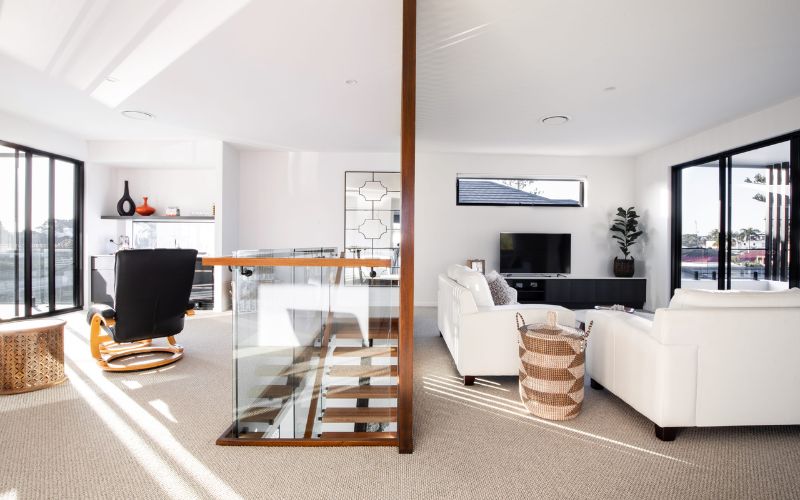
Real-world example: repainting a living room
Scenario: A 12x18 ft living room with old semi-gloss paint and several nail holes. The workflow using the C.L.E.A.N. checklist:
- Clear furniture and cover flooring.
- Look: patch nail holes and sand glossy patches.
- Ensure adhesion: sand to dull the sheen and remove dust with a tack cloth.
- Apply primer to patched areas and any darker-to-lighter color transitions.
- Note conditions: paint when humidity is below 60% and temperature is within the product range.
Result: Two thin coats of paint applied with a 3/8" nap roller and a quality angled brush for trim yielded an even sheen and no lap marks.
Practical tips for a flawless finish
- Use the right roller nap for the surface: 1/4"–3/8" for smooth walls, 1/2"–3/4" for light texture.
- Maintain a wet edge: work in small sections and overlap slightly to avoid lap lines.
- Always sand between coats if the surface has dust nibs or dried drips; a quick scuff with 220-grit keeps adhesion.
- Label cans with the room, color, and date. Keep a small leftover sample for future touch-ups.
Common mistakes to avoid
- Painting over damp or dirty surfaces: wash and dry fully first.
- Using low-quality brushes or rollers: they shed and leave texture in the film.
- Ignoring manufacturer instructions for dry time and recoat windows.
- Applying paint in unsuitable conditions (too cold, too humid).
Core cluster questions
- How should walls be prepped before painting for best results?
- When is primer necessary and when can it be skipped?
- What paint sheen is best for high-traffic rooms?
- How long should paint dry between coats under typical conditions?
- What tools prevent brush marks and roller texture on smooth walls?
Additional technical notes and standards
For health and safety when renovating older homes, consult the U.S. Environmental Protection Agency for lead-safe work practices and legal requirements. Industry standards, such as those from ASTM, describe test methods for adhesion and film properties that professionals use to evaluate products and procedures.
Common mistakes: quick checklist of trade-offs
- Speed vs durability: faster methods can shorten longevity.
- Aesthetics vs maintenance: flatter sheens hide flaws but show wear sooner in high-contact areas.
- Cost vs quality: cheaper materials can require more coats and more frequent repainting.
FAQ: What are the most common painting mistakes to avoid?
The top errors include inadequate surface prep, skipping primer, applying paint too thickly, using the wrong sheen, and painting in unsuitable environmental conditions. Each leads to clear, fixable symptoms like peeling, lap marks, and uneven gloss.
How long should paint dry between coats?
Drying times vary by product, temperature, and humidity. Most latex paints can be recoated in 2–4 hours under ideal conditions, but always follow the product label and allow longer in cooler or more humid settings.
Is sanding necessary before repainting glossy surfaces?
Yes. Light sanding or using a liquid deglosser improves adhesion. For extensive glossy surfaces, mechanical sanding to dull the surface provides the most reliable result.
How can visible roller texture or brush marks be prevented?
Use the correct roller nap for the surface, maintain a wet edge, avoid overworking the paint, and choose high-quality tools. For smooth finishes, a 3/8" nap and a fine synthetic brush for cutting-in will reduce texture.
What safety steps should be taken when painting older homes?
For homes built before 1978, assume lead-based paint may be present. Follow lead-safe work practices: contain dust, avoid dry scraping, and consult the EPA or a certified professional for testing and remediation guidance. For more information, see the EPA lead paint information page.