Concentrated Growth Factor in Riyadh: A Practical Guide to Skin Rejuvenation Options
-

- February 23rd, 2026
- 3,531 views
The term Concentrated Growth Factor in Riyadh describes a class of autologous regenerative treatments offered by dermatology and aesthetic clinics across the city. These procedures use concentrated components of a patient’s own blood to support tissue regeneration, collagen production, and skin quality improvement without introducing foreign substances.
Concentrated Growth Factor (CGF) is a platelet- and fibrin-rich preparation derived from autologous blood. In Riyadh, clinics combine CGF with microneedling, injections, or topical applications to target wrinkles, texture, and scarring. This guide outlines how CGF works, typical procedures available locally, safety and regulation considerations, expected results, costs, and how to choose a qualified provider.
How Concentrated Growth Factor works
Concentrated Growth Factor (CGF) is produced by centrifuging a small sample of the patient’s blood to concentrate platelets, white blood cells, and a fibrin matrix that naturally contains growth factors. These biological signals can support cellular processes such as collagen synthesis, angiogenesis (formation of small blood vessels), and wound modulation. CGF is conceptually related to platelet-rich plasma (PRP) and platelet-rich fibrin (PRF) but differs in processing and fibrin architecture.
Biological basis and common terminology
Terms often encountered include platelets, growth factors (such as PDGF, TGF-beta), autologous therapies, PRP, PRF, and CGF. Academic literature indexed in PubMed and clinical guidance from professional dermatology organizations describe these components as part of regenerative dermatology and oral/maxillofacial practices. Evidence quality varies by indication, with ongoing research into standardized protocols and long-term outcomes.
Procedures that use Concentrated Growth Factor in Riyadh
In Riyadh, CGF is provided in several formats depending on clinic capabilities and patient goals. Common offerings include:
- CGF injections for fine lines and volume improvement in targeted facial areas.
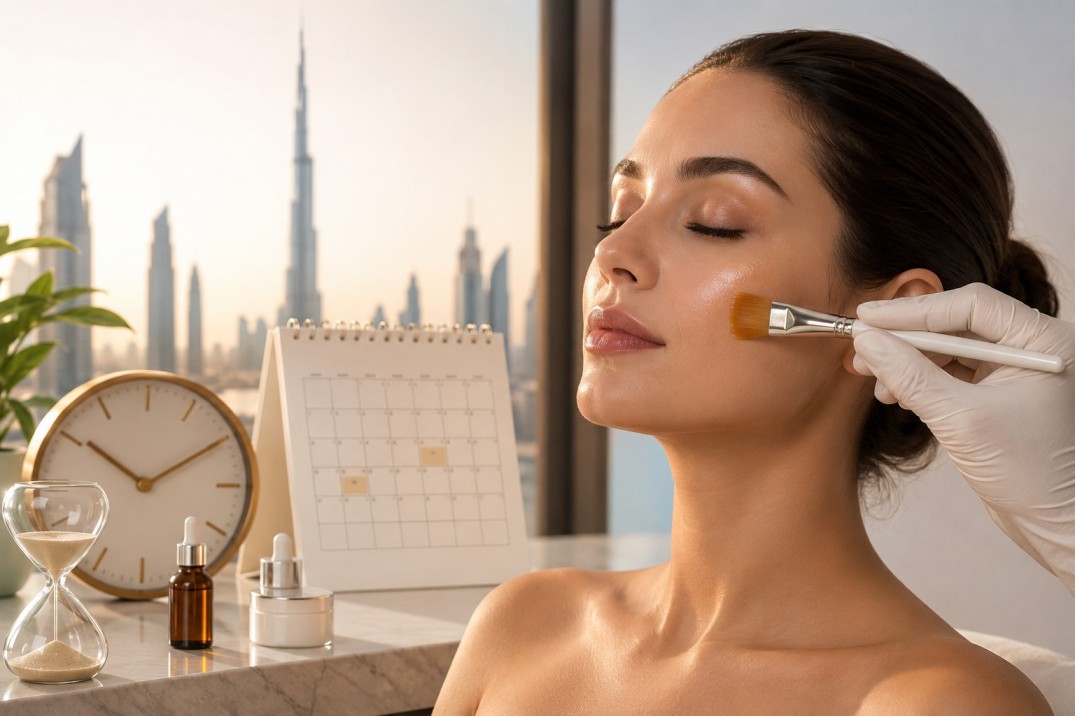
- Microneedling combined with topical CGF to enhance skin texture and acne-scar outcomes.
- CGF with fractional laser or chemical peel adjuncts to support healing and pigment correction.
- Hair restoration protocols that apply CGF to the scalp to potentially support follicle health.
Typical treatment workflow
Most treatments begin with a clinical consultation and screening for contraindications. A small blood draw is processed in a centrifuge, producing the CGF fraction. This material is then applied or injected in the treatment area. Sessions and intervals depend on the indication and clinic protocol; many practitioners recommend a series of treatments spaced several weeks apart.
Safety, regulation, and evidence
Regulatory oversight in Saudi Arabia is overseen by the Ministry of Health, which issues guidelines for safe clinical practice and licensing of medical facilities. Patients seeking CGF treatments in Riyadh should verify licensure and the clinician’s qualifications. Professional dermatology organizations such as the American Academy of Dermatology provide reviews of evidence and safety considerations for platelet-based therapies; systematic reviews in scientific journals evaluate efficacy by indication.
Overall, CGF uses autologous material, which reduces risks of allergic reaction to foreign substances. However, risks related to injections, contamination, procedural technique, and individual health status remain. Clinics should follow sterile processing, validated centrifugation procedures, and standard infection-control practices.
For official guidance on clinical standards and facility licensing in Saudi Arabia, consult the Ministry of Health: Saudi Ministry of Health.
Choosing a clinic in Riyadh
Selecting a clinic involves assessing clinician credentials, facility accreditation, transparency about protocols, and before-and-after documentation. Consider these steps:
- Confirm the practitioner is a licensed physician with experience in dermatology or plastic surgery.
- Ask to see treatment protocols, sterilization and centrifuge procedures, and consent forms that explain potential risks.
- Request recent before-and-after photos and check for independent patient reviews from multiple sources.
- Compare pricing only after confirming that the clinic uses medical-grade processing and trained staff.
Costs, recovery, and expected outcomes
Costs in Riyadh vary by clinic, the number of sessions, and the complexity of adjunctive procedures. Recovery is typically minimal for topical or microneedling applications and a few days for injection-based treatments. Results may appear gradually over weeks to months as collagen remodeling takes place. Outcomes depend on age, skin condition, lifestyle factors, and the specific procedure.
Limitations and realistic expectations
Clinical evidence supports modest to moderate improvements for some indications, but responses vary. CGF is not a substitute for surgical procedures when significant lifting or volume replacement is required. Long-term maintenance may be necessary for sustained results.
Aftercare and follow-up
Aftercare instructions commonly include temporary avoidance of intense sun exposure, certain topical agents or medications that increase bleeding risk, and vigorous exercise for 24–72 hours. Clinics should provide clear written instructions and follow-up appointments to monitor healing and outcomes.
When to seek medical attention
Contact the treating clinic or emergency services for signs of infection, severe swelling, persistent pain, or unexpected systemic symptoms following a procedure.
What is Concentrated Growth Factor in Riyadh and is it suitable for me?
This treatment uses a concentrated, autologous blood-derived matrix to support skin regeneration. Suitability depends on individual health, skin concerns, and realistic goals; an in-person medical consultation with a licensed clinician is necessary to determine appropriateness.
How many sessions are typically needed?
Many protocols recommend a series of two to four sessions spaced several weeks apart for cosmetic skin indications, followed by maintenance treatments as advised by the clinician.
Are results permanent?
Results are not usually permanent. Improvements from CGF are often gradual and may be sustained with periodic maintenance, sun protection, and lifestyle measures that support skin health.
Is CGF the same as PRP or PRF?
CGF, PRP, and PRF are related autologous blood-derived treatments but differ in processing, composition, and fibrin architecture. Each has specific preparation protocols and clinical applications.
How to verify a clinic’s credentials in Riyadh?
Request evidence of practitioner licensure, facility accreditation, sterile processing procedures, and clear treatment protocols. Confirm that the clinic follows national regulations and offers documented informed consent.
Can CGF be combined with other treatments?
Yes. Clinics commonly combine CGF with microneedling, lasers, or chemical peels to enhance healing and clinical outcomes. Combination approaches should be planned by qualified clinicians and tailored to the patient’s skin type and goals.