A Concise Guide to the History of Islamic Arts: Architecture, Calligraphy, and Decorative Traditions
-

- Published Updated
- 1,607 views
Introduction
The history of Islamic arts spans more than a millennium and a vast geography, encompassing the visual, architectural, and decorative traditions that developed across the Middle East, North Africa, Iberia, Central Asia, and South Asia. This survey highlights major periods, artistic media, and cultural influences so that readers unfamiliar with the topic can gain an overview of key styles, techniques, and historical contexts.
The history of Islamic arts includes mosque architecture, calligraphy, geometric and vegetal ornament, manuscript illumination, ceramics, metalwork, textiles, and more. Styles evolved with dynastic changes—Umayyad, Abbasid, Fatimid, Seljuk, Mamluk, Ottoman, Safavid and Mughal—and interacted with local traditions such as Andalusian, Persian, and Central Asian arts. Major themes include aniconism, complex geometry, and the elevation of script as a visual art form.
History of Islamic Arts: Periods and Geographic Spread
Early Periods (7th–10th centuries)
Artistic production began in the Arabian Peninsula and quickly spread as Islamic polities expanded. The Umayyad period introduced monumental mosque architecture and distinctive decorative programs. Under the Abbasids, workshops in cities such as Baghdad and Samarra produced glazed ceramics, carved stucco, and intricate metalwork. Early luxury objects and architectural ornament show influences from Byzantine, Sasanian, and late antique traditions adapted to new religious and social contexts.
Regional Flourishing (10th–16th centuries)
Regional courts and trading networks fostered varied schools of art. In Al-Andalus (Muslim Iberia), geometry and intricate stucco work were hallmarks of palatial architecture. Persianate courts under the Seljuks, Safavids, and Timurid successors developed refined book arts—miniature painting and illumination—and distinctive mosque designs with tilework. In Anatolia and the Ottoman domains, large imperial mosques, tile panels, and textiles were prominent; in Egypt and the Levant, Mamluk patronage produced sophisticated metalwork and glass.
Later Developments and Global Contacts (16th–19th centuries)
Contact with Europe, trade across the Indian Ocean, and the rise of imperial states influenced materials and tastes. The Mughal Empire in South Asia synthesized Persian, Central Asian, and indigenous Indian forms, producing monumental architecture and richly illustrated manuscripts. European demand for ceramics and carpets affected production and motifs, while local techniques remained central to artistic identity.
Major Forms and Techniques
Architecture
Mosque architecture—minarets, domes, courtyards, qibla walls, and mihrabs—constitutes a major legacy. Decorative programs often combine tile mosaic, carved stone, stucco, and carved wood. Palaces, caravanserais, madrasas (religious schools), and mausoleums also display regional vocabularies, such as horseshoe arches in Andalusia or four-iwan plans in Persia.
Calligraphy and Book Arts
Calligraphy is central, with scripts like Kufic, Naskh, Thuluth, and Nastaliq used for Qur'anic copying, inscriptions, and decorative panels. Manuscript illumination and miniature painting developed into highly codified arts, especially in Persianate and Ottoman contexts, combining narrative illustration with ornate borders and gold leaf.
Decorative Arts: Ceramics, Textiles, Metalwork, and Glass
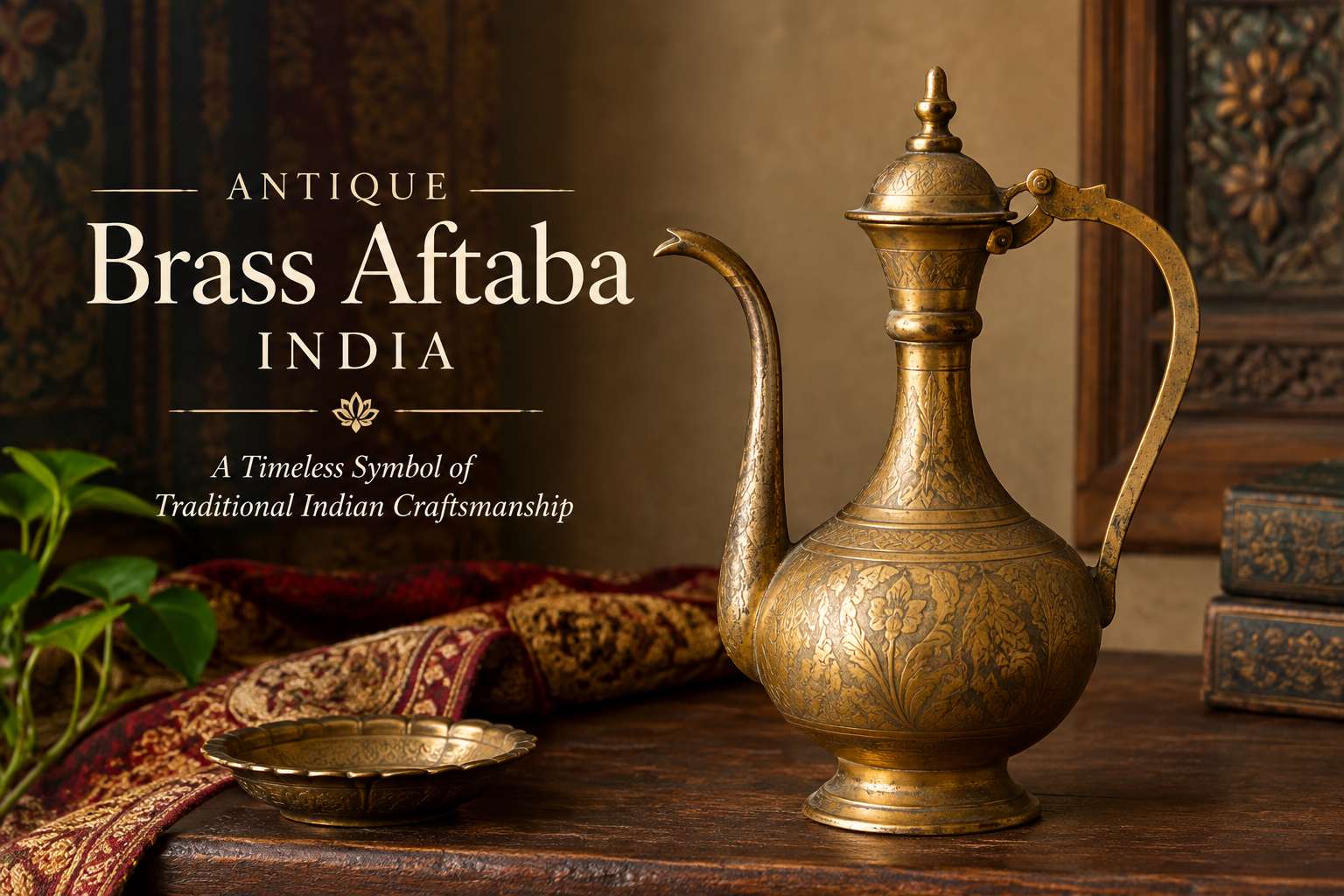
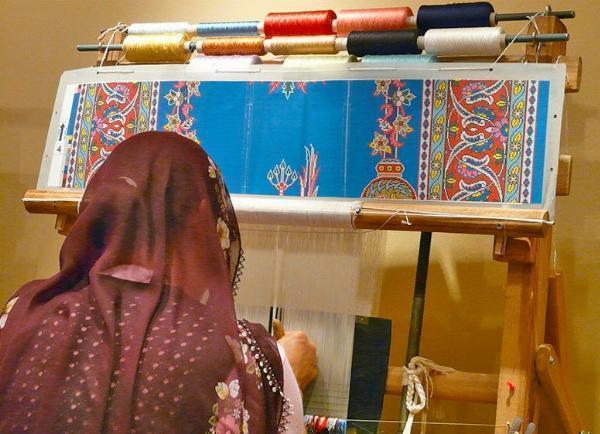
Ceramics range from early lustreware to blue-and-white tiles and polychrome underglaze styles. Textiles—woven carpets, brocades, and painted silks—served as portable displays of wealth and taste. Metalwork and glass were refined into objects for daily use and courtly display, often with inlaid silver, gilding, and complex engraving.
Visual Principles and Symbolism
Geometry, Arabesque, and Aniconism
Recurrent themes include geometric patterning, repeating arabesques (vegetal motifs), and careful treatment of figural representation influenced by religious and cultural norms. Geometry provided both aesthetic harmony and symbolic meaning, while vegetal scrolls created continuous, interlaced surfaces that reinforced unity across architectural and object-based works.
Script as Ornament
Script frequently functions as ornament—Qur'anic verses, patron names, or poetic lines are integrated into architectural facades and objects, transforming text into a visual element that communicates religious and social messages.
Preservation, Study, and Institutions
Museums, Conservation, and Scholarship
Preservation of Islamic arts is practiced by museums, university departments of art history and Islamic studies, and cultural heritage organizations. Conservation addresses challenges such as environmental degradation, looting, and the effects of conflict. Research draws on archaeology, archival documents, and material analysis to reconstruct production methods and trade networks.
International Efforts and Recognitions
International bodies, including UNESCO, play a role in safeguarding heritage sites and supporting research, documentation, and training related to Islamic art and architecture. For information on world heritage sites relevant to Islamic architecture and preservation guidelines, see UNESCO's resources on cultural heritage (UNESCO).
Influence and Legacy
Cross-cultural Exchanges
Islamic arts influenced and were influenced by Byzantine, Indian, Chinese, and European traditions through trade, conquest, and patronage networks. Decorative motifs, technical innovations, and architectural forms migrated along trade routes, shaping visual cultures beyond the Islamic world.
Contemporary Relevance
Contemporary artists and architects draw on the formal vocabulary of Islamic arts—geometry, calligraphy, and material craft—while engaging new media and global discourses. Scholarship continues to refine understanding of workshops, workshop mobility, and the social contexts of production.
Further Reading and Research Approaches
Approaches for New Readers
Introductory surveys in art history and Islamic studies, museum catalogues, and peer-reviewed journals provide accessible entry points. Fieldwork reports and conservation studies offer technical detail, while primary sources—chronicles, waqf documents, and patron inscriptions—illuminate historical contexts.
Where to Learn More
University departments of art history and Islamic studies, library collections of manuscripts, and catalogued museum exhibitions are useful resources. Consult academic databases and institutional publications for current scholarship and bibliographies.
FAQ
What is the history of Islamic arts?
The history of Islamic arts covers the development of visual and material culture across regions and periods associated with Islamic societies, including architecture, calligraphy, ceramics, textiles, metalwork, and manuscript arts. It spans early expansions of the caliphates, regional dynastic periods such as the Umayyad, Abbasid, Mamluk, Ottoman, Safavid, and Mughal, and ongoing contemporary practices influenced by historical forms.
Why is calligraphy important in Islamic art?
Calligraphy is prized because of the central role of the Qur'an and the written word in Islamic religious and cultural life. Scripts are employed both for textual transmission and as a primary decorative element, appearing on buildings, objects, and manuscripts.
How did regional styles develop in Islamic art?
Regional styles emerged through the interaction of local materials, artisan traditions, courtly patronage, religious institutions, and trade. Local architectural types, such as the Andalusian horseshoe arch or the Persian four-iwan plan, reflect adaptation to climate, available craft techniques, and aesthetic preferences.
How are Islamic art objects preserved and studied?
Preservation combines conservation science, historical research, and legal protections. Museums, universities, and cultural heritage organizations undertake conservation treatments, documentation, and provenance research. International standards and charters guide practice in the protection of movable and immovable heritage.
Can non-Muslims appreciate Islamic art?
Yes. Islamic art is part of global cultural heritage and can be appreciated for its aesthetic qualities, technical achievements, and historical significance. Contextual understanding—of religious meanings, historical settings, and material techniques—enhances appreciation and scholarship.