Why Do Some Blog Posts Feel Like a Conversation While Others Don't?
-

- Published Updated
- 55 views
You can read two articles about the same subject and have completely different experiences. One feels easy to follow, almost as if someone is explaining the topic to you over a cup of tea. The other feels tiring, even when it contains useful information. The difference often comes down to how the ideas are expressed.
Writing a good blog post is not just about knowing the subject. It is also about choosing the right words, knowing what to leave out, and explaining things in a way that feels comfortable to read. This can be a challenge when you are working with an AI-generated draft, especially if the sentences sound too formal or follow the same pattern.
Fortunately, you do not need to be a professional writer to make your content feel more natural. A few thoughtful changes can make a noticeable difference.
What Makes a Blog Post Easy to Connect With?
Think about the way people explain something when they genuinely want to help. They usually get to the point, give an example when necessary, and avoid making a simple idea sound complicated.
Blog writing can work the same way. Instead of opening with several general statements, introduce the actual problem your reader wants to understand. If you are writing about saving money, for example, you might begin with the difficulty of keeping track of small daily expenses. That gives the reader something familiar to connect with.
Specific details also help. Broad advice such as “manage your time effectively” is easy to write, but explaining how to plan tomorrow's tasks before finishing work today gives readers a practical idea they can try.
The aim is not to make every paragraph entertaining. It is to give readers a reason to keep going because the information feels relevant to them.
Why Can AI-Generated Writing Feel a Little Flat?
AI can be helpful when you need ideas or want to create a first draft quickly. However, a draft may sometimes rely on familiar phrases, repeat a point in several ways, or explain an ordinary subject with unnecessarily formal language.
You might notice that several paragraphs begin with similar expressions. The article may also contain statements that sound reasonable but do not provide a concrete example or useful explanation.
For instance, a sentence such as “Maintaining consistency is an important factor in achieving your desired goals” could become “You are more likely to make progress when you keep practising regularly.”
The second version feels more direct because it explains the idea in everyday language.
Not every formal sentence needs changing, of course. Some subjects require a professional tone. The important thing is to notice when the wording makes the article harder to read than it needs to be.
How Can You Improve an Awkward Draft?
One useful option is to read the draft aloud. This sounds simple, but it can reveal problems you might miss when reading silently. A sentence that looks fine on the screen may feel too long or unnatural when spoken.
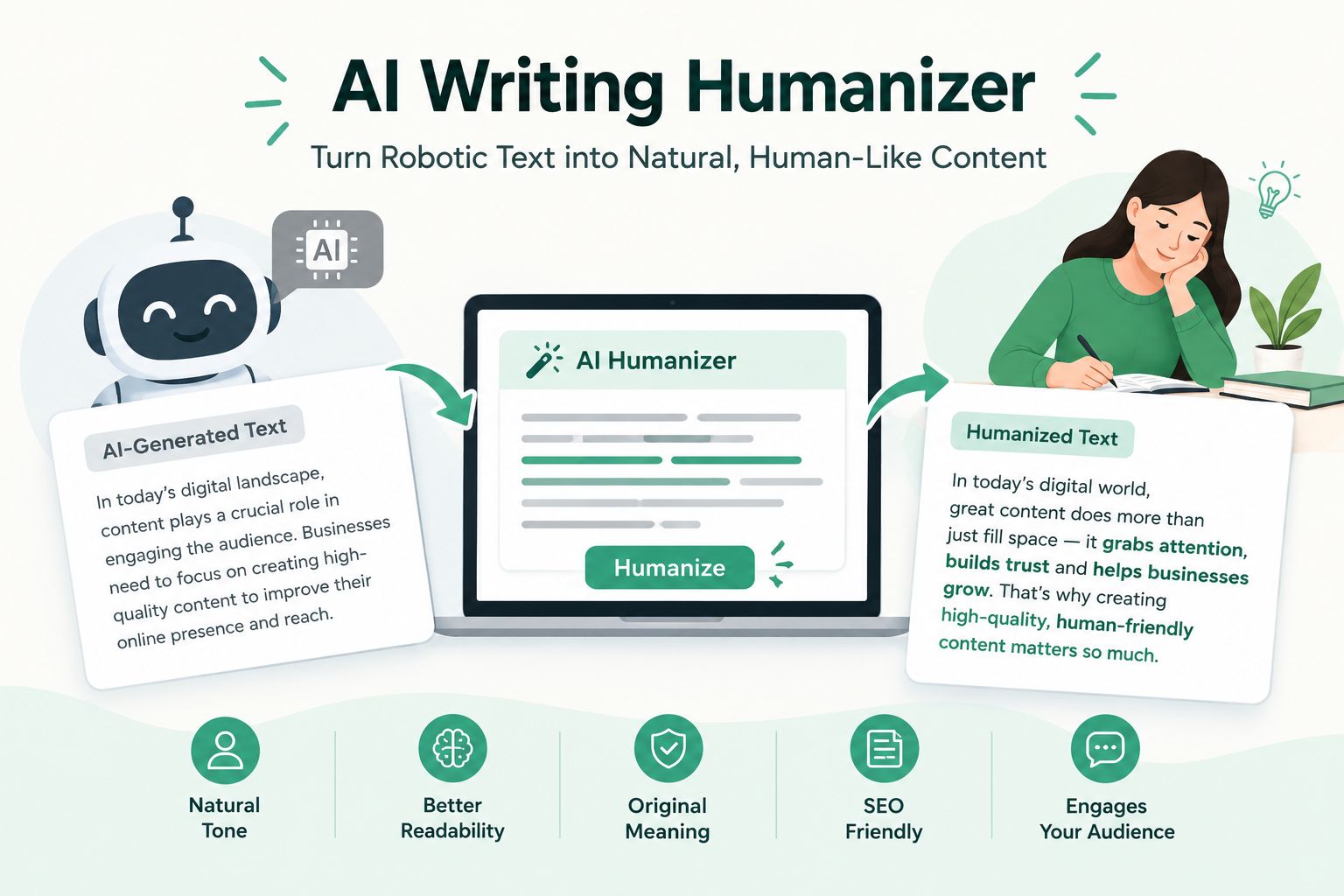
You can also use an AI Writing Humanizer to explore alternative wording when a sentence feels stiff or repetitive. It may help you find a clearer way to express an idea without rewriting the entire article yourself.
Still, do not accept every suggested change automatically. Sometimes the original sentence is better, and sometimes a rewrite removes a detail that matters.
After revising a paragraph, compare it with the original. Does it communicate the same message? Is it easier to understand? Does it fit the rest of the article? If the answer is yes, the change is probably useful.
Do You Really Need a Long Introduction?
Many blog posts take too long to reach the subject. They begin with several sentences about how important a topic is before explaining anything readers can use.
A short introduction can often do the job better. Introduce the problem, give the reader a reason to care, and move into the main discussion.
For example, an article about choosing a laptop does not need several paragraphs about how technology has changed modern life. It can begin by explaining that choosing between different models is difficult when specifications and prices vary.
This approach makes the article feel more focused. It also gives you more room to discuss the details that actually help readers make a decision.
The same principle applies throughout the post. If a paragraph takes too long to explain a simple point, remove the unnecessary parts and keep the useful information.
How Can You Make Your Content Feel Like Your Own?
A blog becomes more distinctive when it includes a clear perspective rather than relying entirely on general statements. You do not need to share private experiences or invent personal stories. You can make your writing more useful simply by explaining why something matters or showing how it works in a realistic situation.
Imagine you are writing about working from home. Instead of repeating that a comfortable workspace improves productivity, you could explain how keeping frequently used items within reach reduces interruptions during a task.
That small detail gives the reader a clearer picture of the idea.
It also helps to use the vocabulary you would naturally choose for your audience. If your readers are beginners, explain unfamiliar terms. If they already understand the basics, spend more time on the questions they are likely to have next.
When using Magic Humanizer, treat the revised text as a starting point. Your own review is what helps ensure the article stays relevant, accurate, and appropriate for its intended readers.
Frequently Asked Questions
Can a blog post sound natural without being informal?
Yes. Natural writing can still be professional. It simply uses clear language and a tone that suits the subject and audience.
Why do some AI-written articles repeat the same ideas?
AI-generated drafts can sometimes use overlapping explanations or similar sentence patterns. Reviewing the full article helps you identify repetition that is not adding useful information.
Should I make every paragraph short?
No. Paragraphs should be as long as the explanation requires. A new paragraph is helpful when the subject changes or the reader would benefit from a pause.
Is reading an article aloud really helpful?
Yes. It can help you notice awkward wording, sentences that are difficult to follow, and places where the flow feels unnatural.
Can an AI writing humanizer improve an entire blog post?
It may help revise several parts of a draft, but the result still needs to be checked for meaning, factual accuracy, tone, and relevance.
How do I know when my blog is ready to publish?
Make sure it answers the main question, avoids unnecessary repetition, includes accurate information, and reads smoothly from beginning to end. If the article feels clear and useful, further changes may not be necessary.
Final Thoughts
A blog post does not need complicated language to be interesting. Often, the writing that works best is the writing that explains an idea clearly and gives readers something useful to take away.
When editing your next article, pay attention to how it sounds, not just whether the grammar is correct. Remove sentences that repeat earlier points, add examples where they help, and avoid stretching a simple explanation into a long paragraph.
Most importantly, write for the person reading the article. When the information is relevant and the language feels natural, the whole piece becomes easier to follow.