How Corporate Team Building in India Is Changing the Way Companies Work
-

- Published Updated
- 3,343 views
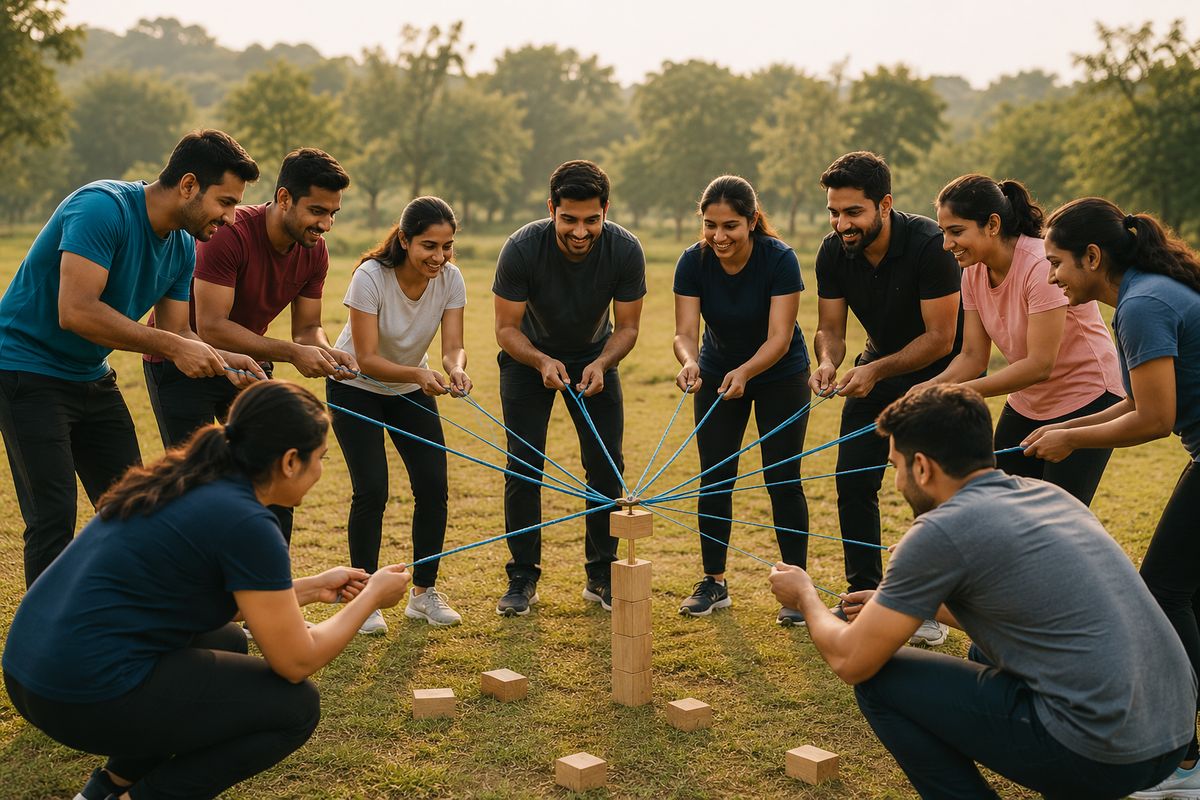
A few years ago, corporate team building in India meant one thing — a bus ride to a resort outside the city, a day of games, and a return trip with everyone slightly sunburnt and mildly closer than before. That picture has changed a lot. With hybrid work becoming permanent for many organizations, and with employees spread across cities or even countries, the whole idea of getting a team to genuinely connect has had to evolve.
What hasn't changed is the reason companies still invest in it. Teams that don't interact outside of Slack messages and status update calls tend to drift. People stop asking for help, stop raising concerns early, and start treating colleagues as names on a screen rather than people they actually trust. That's the gap team building activities in India are meant to close, and honestly, when done right, they still work.
What Good Team Building Activities Actually Look Like Today
The old stereotype of "trust falls and tug of war" is mostly gone, at least with the better providers. Today's activities are built around real workplace behavior — decision-making under pressure, communication across departments, quick problem-solving in unfamiliar situations. A marketing team might be dropped into a mystery-solving challenge where they have to divide tasks the same way they'd divide a campaign. A tech team might go through a strategy simulation that mirrors how they'd actually handle a product crisis.
The format matters less than the intent behind it. Good facilitators design activities around what a specific team actually struggles with — maybe it's cross-functional trust, maybe it's just new hires who haven't bonded with the older crowd yet. Off-the-shelf games rarely fix either of those.
Finding the Best Team Building Company in India for Your Team
This is usually where companies get stuck. There's no shortage of vendors, but the difference between an average one and the best team building company in India often comes down to a few things that aren't obvious on a brochure. Does the facilitator actually understand your industry, or are they running the same script for a bank that they ran for a garment factory last week? Do they ask about your team's specific friction points before designing the day, or do they just pitch a fixed package?
The companies that consistently get it right tend to spend real time upfront — sometimes a short call, sometimes a proper needs assessment — before ever suggesting an activity. They also tend to be honest about what a single day can and can't fix. No outing solves a broken reporting structure, and any company that promises otherwise is overselling.
Corporate Team Outings in India Are Getting More Thoughtful
Corporate team outings in India used to be judged almost entirely by the venue — a nice resort, a pool, decent food. That still matters, people do want a break, but there's been a real shift toward outings that combine downtime with something a little more structured. A relaxed morning followed by a couple of hours of purposeful activity tends to land better than either a full day of unstructured leisure or a full day of back-to-back exercises. Employees notice the difference. An outing that feels like it was designed just for their team, rather than a copy-paste package, tends to get talked about long after the day is over.
Budget plays a role too, obviously, and Indian companies — especially mid-sized ones — are getting smarter about it. Instead of one large annual outing, some are now doing smaller, more frequent team days spread across quarters, which tends to keep the bonding fresher instead of it fading out over ten months until the next big event.
Why Hybrid Team Building in India Is Here to Stay
The biggest shift, though, has been hybrid team building in India. When half a team works from Bangalore and the other half from Pune or Kolkata, flying everyone in for a single day doesn't always make financial or logistical sense. So companies have started running formats that combine an in-person core group with remote participants joining live — shared digital boards, synced challenges, breakout rooms that mirror the in-person breakout groups.
It's not a perfect substitute for being in the same room, and most people will admit that openly. But it solves a real problem: teams that are permanently distributed still need a shared experience, and waiting for a rare all-hands event isn't enough anymore. The companies doing this well have gotten good at making the remote employees feel like actual participants rather than spectators watching a screen while everyone else has the real fun.
The Bigger Picture
None of this works as a one-off fix. Teams that build trust over a single outing and never reinforce it tend to slide right back to where they started within a couple of months. The organizations getting real value out of team building in India are the ones treating it as a recurring part of how they operate — not an annual box to check, but a genuine investment in how their people work together, in the office, remotely, or somewhere in between.