How to Craft Effective Local NGO Advertisements That Reach Communities
-
- Published Updated
- 1,297 views
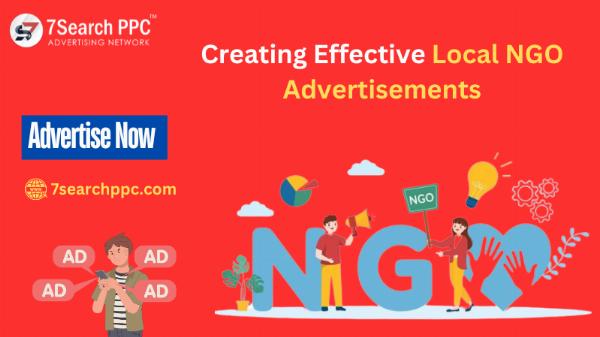
Local NGO advertisements can raise awareness, recruit volunteers, and drive donations when designed for community relevance and trust. This guide explains planning, messaging, channels, targeting, measurement, and compliance to help organizations maximize local impact with limited resources.
- Define a clear objective and target audience before creating any ad creative.
- Use local stories, simple calls to action, and accessible formats for better engagement.
- Mix low-cost channels—flyers, local radio, community newsletters—with targeted social posts and email.
- Measure reach and engagement with simple KPIs and iterate using A/B testing.
- Follow local regulations and data protection rules; consult the appropriate regulator for specifics.
Planning local NGO advertisements
Start by defining the campaign goal, audience, and success metrics. Common objectives for local NGO advertisements include increasing event attendance, recruiting volunteers, promoting a service, or soliciting donations. Select one primary objective per campaign to keep creative and calls to action focused. Identify specific audience segments by demographics, geography, interests, or past interactions to make messaging relevant and measurable.
Crafting a clear message and creative
Focus on relevance and simplicity
Short, concrete messages perform best in community settings. Emphasize the local connection—neighborhood names, nearby landmarks, and community outcomes—to build trust. Use a single, clear call to action (CTA) such as "Attend", "Sign up", or "Donate" with a simple next step: date/time, location, or a short web address or phone number.
Use local stories and visuals
Avoid jargon. Use photos or illustrations that reflect the community served and, when possible, obtain permissions for any imagery. Local testimonials, short quotes, or micro-stories can humanize the cause and increase relevance. Optimize creative for formats used: readable large-type for posters and thumbnails for social posts.
Channels and media mix for local NGO advertisements
Low-cost and grassroots channels
Posters and flyers in community centers, libraries, and faith institutions remain effective for reaching people offline. Local radio spots and community bulletin boards offer neighborhood reach. Partner with local businesses and schools for flyer distribution or co-branded notices.
Digital channels for targeted reach
Social media and email enable precise audience segmentation and low-cost tests. Use short videos, still images, and boosted posts to extend reach. Localized search or directory listings help people find services. Track link clicks and sign-ups to measure performance.
Choose the right channel mix
Combine offline and online channels based on audience preferences and budget. For older demographics, prioritize print and local radio; for younger audiences, emphasize messaging on platforms and mobile-friendly landing pages. Test a small spend in one channel before scaling up.
Targeting, segmentation, and community outreach
Segment audiences into groups such as long-time residents, recent arrivals, local businesses, or volunteer-ready demographics. Tailor language and CTA to each group. Collaborate with community leaders, municipal offices, and partner NGOs to extend credibility and distribution. Track which partnerships generate the most engagement to refine outreach plans.
Budgeting, testing, and measurement
Set realistic KPIs
Choose metrics that align with objectives: impressions and reach for awareness; clicks, sign-ups, and RSVP conversions for action; and donation amounts for fundraising. Keep KPIs simple and measurable so results guide decisions.
Run controlled tests
A/B test headlines, images, and CTAs in small batches. Compare low-cost alternatives before committing the full budget. Record results and iterate weekly or monthly depending on campaign length.
Legal, ethical, and accessibility considerations
Comply with local advertising rules, nonprofit disclosure requirements, and data protection regulations such as GDPR where applicable. Maintain transparent donor communications and respect privacy when collecting contact details. This guidance is informational and not legal advice—consult the relevant regulator or legal counsel for obligations in a specific jurisdiction. For information on tax-exempt organization rules in the United States, see the Internal Revenue Service guidance on charities and nonprofits: https://www.irs.gov/charities-non-profits.
Implementation checklist
- Define one clear campaign objective and target audience.
- Create a concise message with a single CTA and local relevance.
- Select 2–3 channels appropriate to the audience and budget.
- Prepare measurement plan and run small tests before scaling.
- Verify compliance with local advertising and data rules; document permissions for imagery and testimonials.
Sustaining impact after the campaign
Follow up with people who responded: confirm event details, send reminders, and provide easy ways to stay involved. Capture learnings in a short report that includes costs, outcomes, and recommended next steps. Use successful creative elements and channels as templates for future local outreach to reduce design and production time.
What makes local NGO advertisements effective?
Effectiveness depends on clarity of purpose, audience fit, and ease of response. Ads that use local references, a single clear CTA, trusted community distribution, and measured iteration tend to perform best.
How much should a small NGO budget for local advertising?
Budgets vary by market and channel. Prioritize low-cost, high-trust channels initially and allocate a small percentage to digital testing. Track cost per action (CPA) to compare options and reallocate funds to the most efficient channels.
How to measure success of local NGO advertisements?
Use simple KPIs tied to objectives: reach and awareness metrics for brand campaigns; click-throughs, sign-ups, and RSVPs for action campaigns; and conversion amounts for fundraising. Combine quantitative measures with qualitative feedback from community partners.
Are there legal issues to consider when running local NGO advertisements?
Yes. Advertising and nonprofit rules differ by jurisdiction. Data protection, fundraising disclosure requirements, and local advertising standards should be reviewed. Consult the appropriate regulatory body or legal advisor for specific obligations.
How can small NGOs improve ad performance over time?
Document tests and outcomes, reuse successful creative formats, strengthen local partnerships, and maintain regular but respectful follow-up with respondents. Continual small experiments and community feedback help refine messaging and improve ROI.