Creative Travel Ads: Practical Travel Advertising Strategies for Marketers
-

- February 23rd, 2026
- 1,395 views
Travel advertising is a core part of tourism marketing that blends storytelling, data-driven targeting, and visual design to inspire bookings and brand consideration. This guide covers creative travel ads, practical formats, measurement approaches, and compliance considerations for publishers and advertisers planning campaigns.
- Creative travel ads use emotional storytelling, strong visuals, and audience targeting to drive engagement.
- Common formats include video, display, native, social, email, and out-of-home advertising.
- Performance should be measured with both brand metrics (awareness, intent) and direct-response metrics (click-through, conversion rate).
- Privacy and regulatory compliance are essential—consider local rules such as data protection laws and advertising regulations.
Why creative travel ads matter
Effective travel advertising connects practical information—pricing, dates, and logistics—with aspirational storytelling. Potential travelers respond to ad creative that reduces friction (clear calls to action, easy booking paths) while appealing to emotions through imagery, local experiences, and user-generated content. Research in consumer behavior suggests that combining rational and emotional appeals increases both interest and conversion across tourism segments.
Travel advertising: strategy and creative formats
Choose formats to match the funnel
Different ad formats serve distinct stages of the marketing funnel. Video and immersive content are effective for upper-funnel brand awareness. Display and native ads support mid-funnel consideration by highlighting itineraries and reviews. Search and remarketing (on search and social platforms) typically drive lower-funnel direct bookings and conversions.
Key creative elements
High-performing travel ads generally include the following elements: concise headlines, destination photography or short-form video, clear value propositions (promotions, unique experiences), and strong calls to action. Personalization through dynamic creative—changing imagery or offers based on audience attributes—can increase relevance and engagement.
Formats and channels
Common channels used in modern travel campaigns include:
- Video ads (short-form social videos, in-stream video)
- Display and programmatic banners (desktop and mobile)
- Native content and sponsored editorial placements
- Social media advertising and influencer collaborations
- Email marketing and CRM-driven offers
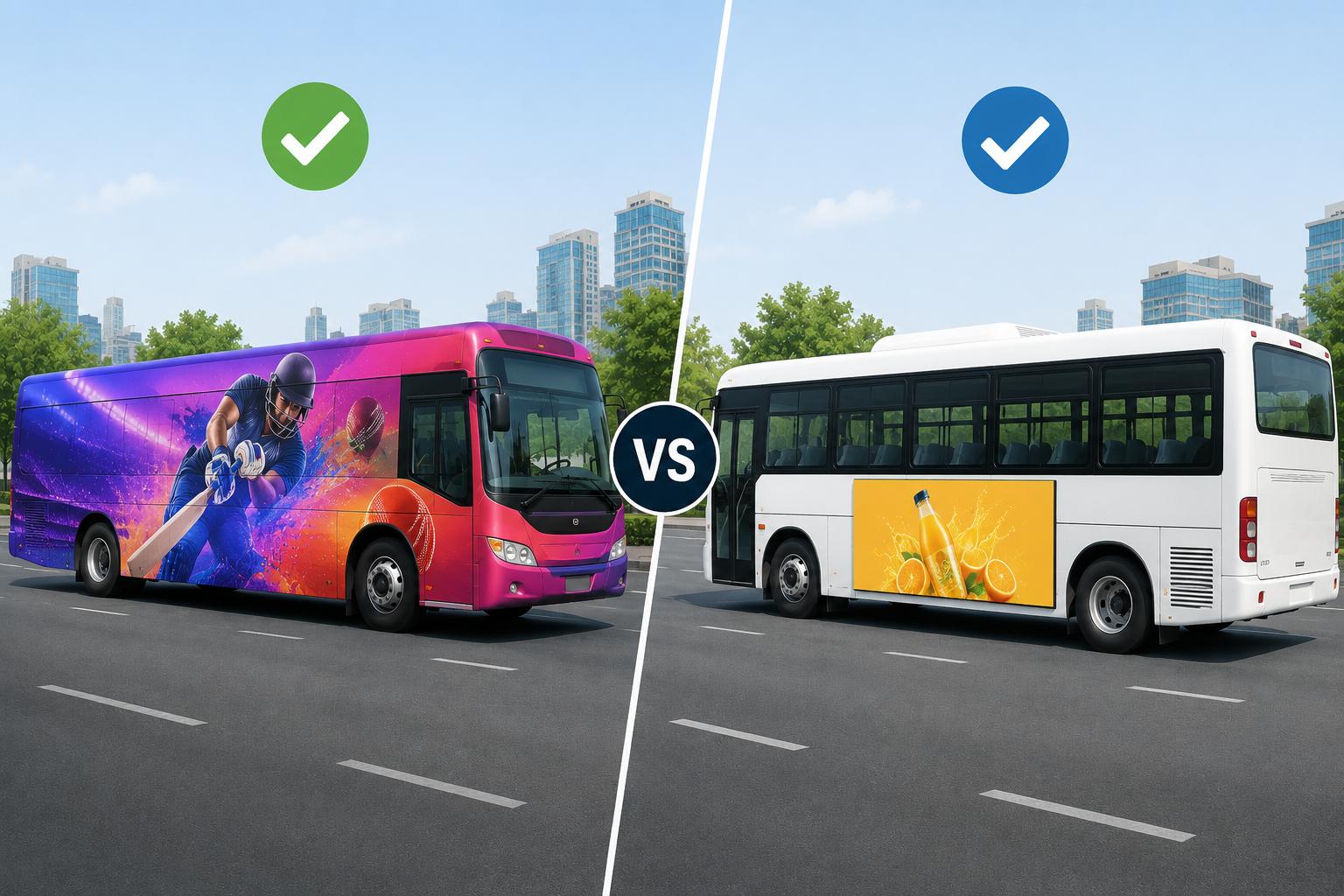
- Out-of-home and experiential activations for local awareness
Targeting, personalization, and audience signals
Audience targeting in travel advertising typically combines demographic, interest, contextual, and behavioral signals. Use first-party data from booking systems and site behavior for the strongest match, and supplement with broader contextual targeting where privacy rules limit individual-level targeting. Lookalike and intent-based segments can be effective for prospecting new customers.
Use of creative testing
A/B testing and multivariate testing help refine elements such as imagery, headlines, and calls to action. Test one variable at a time when possible to identify causal effects. Consider using holdout groups to measure incremental lift rather than relying solely on last-click metrics.
Measurement and KPIs
Measure creative travel ads with a combination of brand and performance KPIs. Brand metrics include reach, ad recall, and consideration; performance metrics include click-through rate (CTR), cost-per-click (CPC), booking conversion rate, and return on ad spend (ROAS). For campaigns aimed at long-term growth, track customer lifetime value (CLV) and repeat-booking rates.
Attribution and incrementality
Attribution models can under- or over-credit channels depending on the method. Where possible, run randomized controlled experiments or use incrementality testing to assess the true effect of advertising on conversions. Cross-device measurement and careful tag implementation help produce more reliable data.
Compliance, privacy, and ethical considerations
Advertising that collects or uses personal data must comply with applicable regulations, such as data protection laws and advertising standards enforced by national authorities. Transparency about data use, clear consent mechanisms, and accessible privacy policies are essential. When targeting based on sensitive attributes—such as health or protected characteristics—review platform policies and legal guidance to avoid discriminatory practices.
Industry data and travel forecasts can inform seasonality and demand planning; see resources from the UN World Tourism Organization for global trends and statistics.
Creative best practices and examples
Story-based ads
Short narratives that highlight a traveler’s experience can create emotional resonance. Use concise scenes, native sound, and a clear narrative arc—anticipation, discovery, and call to action—to encourage sharing and engagement.
Local experiences and authenticity
Emphasize authentic local experiences and real customer reviews to build trust. User-generated content often feels more credible than staged shots, especially for niche travel segments such as eco-tourism or culinary travel.
Accessibility and inclusivity
Include accessible design choices in ad creative—alt text for imagery, readable fonts, audio captions for video—to reach broader audiences and comply with accessibility expectations.
Implementation checklist
- Define campaign objectives and target KPIs (awareness vs. direct bookings).
- Create creative assets aligned to funnel stage and channel.
- Set up measurement and tracking with clear attribution rules.
- Test creative variations and iterate based on results.
- Confirm compliance with data protection and advertising regulations.
Conclusion
Creative travel ads combine compelling storytelling, precise targeting, and rigorous measurement to move potential travelers from inspiration to booking. Prioritizing relevant creative, transparent data practices, and ongoing testing will help campaigns remain effective across changing market conditions.
What is travel advertising and how does it work?
Travel advertising involves promoting destinations, accommodations, tours, and travel services using paid media, owned channels, and partnerships. It works by matching creative assets to audience intent and funnel stage, then optimizing placements and messaging to drive awareness, consideration, or conversions.
Which ad formats are most effective for tourism marketers?
Effectiveness depends on objectives: video and immersive experiences for awareness; native and display for consideration; search and remarketing for direct bookings. A cross-channel approach typically yields the best results.
How should performance be measured?
Track both brand metrics (reach, recall, intent) and performance metrics (CTR, conversion rate, ROAS). Use incrementality testing where possible to determine the actual lift from advertising and avoid over-reliance on single attribution models.
What privacy and regulatory issues apply to travel ads?
Compliance varies by market. Ensure transparent consent for personal data use, follow local data protection laws, and adhere to advertising standards. When in doubt, consult legal counsel or regulatory guidance specific to the campaign’s target regions.