Cubing Essential Tips for First-Time Cubers
-

- Published Updated
- 81 views
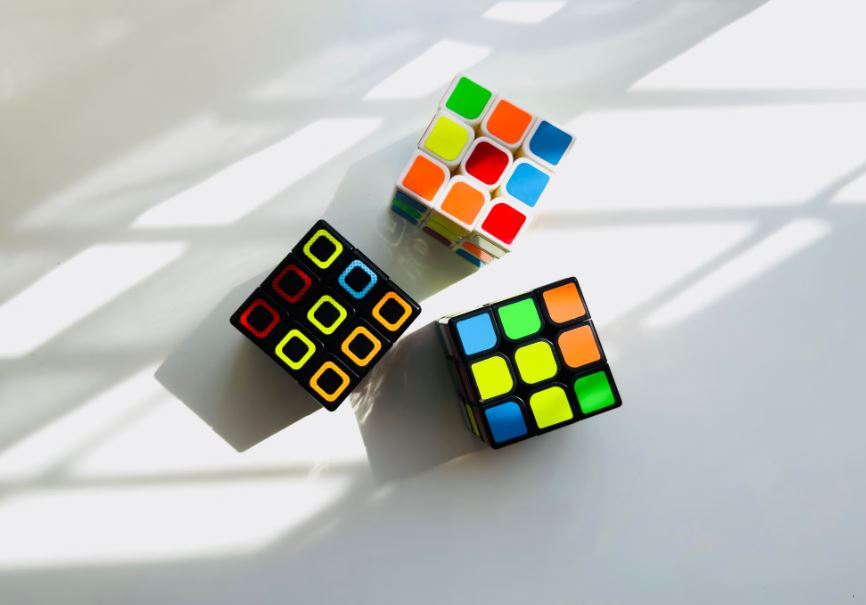
A Rubik’s Cube is more than a colorful puzzle. It is an activity that encourages logical thinking, patience, and the ability to recognize patterns. Although a scrambled 3x3 cube can look complicated, learning a reliable solving method makes the process easier to understand. For beginners, the key is to start with the fundamentals, practice one stage at a time, and avoid trying to solve every piece randomly.
What Makes a Rubik’s Cube Interesting?
The classic 3x3 Rubik’s Cube contains six colored faces and several movable pieces. Each turn changes the arrangement of the pieces, creating new patterns and possibilities. The challenge is to restore every face to a single color while keeping the other pieces correctly positioned.
This makes cubing an enjoyable activity for people who like puzzles, strategy, and hands-on learning. Beginners can focus on solving the cube at their own pace, while experienced enthusiasts can eventually explore speedsolving techniques.
Understand the Basic Pieces
Knowing how the cube is structured makes instructions easier to follow.
Center pieces: The center colors establish the identity of each face.
Edge pieces: These pieces have two colors and belong between centers.
Corner pieces: Each corner has three colors and must be placed in the correct corner position.
The goal is not simply to make one face look complete. The surrounding pieces must also match their corresponding center colors to ensure the solution is correct.
A Practical Approach to Learning the Solution
Begin with a Cross
Many beginner methods start by creating a cross on one face. White is commonly used, although the color itself is a matter of preference. Each edge should align with the center color on its neighboring face. Taking time to check these side colors helps build a correct foundation.
Complete the First Layer
After creating the cross, solve the four corners that belong to the same layer. Learn how the corners move into position and how to preserve the pieces that are already solved. Repeating a short sequence is usually more reliable than making random turns.
Work on the Middle Layer
The next step is to insert the remaining middle-layer edges. At this stage, beginners start understanding how an algorithm can move specific pieces while protecting completed sections. Carefully identifying each piece before turning the cube can reduce mistakes.
Build the Last-Layer Cross
The upper face may show different patterns before the cross is complete. Beginner algorithms help transform these patterns into the required arrangement. Learning to identify the pattern first makes it easier to choose the correct sequence.
Position and Orient the Remaining Pieces
The last stages involve moving the upper-layer corners and edges into their correct locations and orientations. This part may take additional practice, so it is useful to work slowly and check the cube after each sequence.
Common Beginner Mistakes to Avoid
One frequent mistake is turning the cube without understanding the purpose of each move. Random turns can undo progress and make the solution harder to track. Another common issue is ignoring side colors while completing the first cross.
Beginners should also avoid trying to memorize every algorithm in a single session. Focus on a small number of moves, understand when to use them, and practice until each stage feels familiar.
How Regular Practice Helps
Consistent practice helps improve pattern recognition, finger coordination, and familiarity with cube notation. Instead of focusing only on speed, beginners should aim to solve the cube correctly and understand why each move works.
Once the beginner method becomes familiar, it is easier to explore more advanced approaches, improve turning efficiency, and gradually reduce solving times.
Explore a Guided Rubik’s Cube Tutorial
If you are looking for a structured introduction, Cubelelo has a dedicated guide to solving the Rubik’s Cube. It is a helpful resource for beginners who want to understand the basic process and learn the solution step by step.
Read more: How to Solve a Rubik’s Cube.
Conclusion
The Rubik’s Cube may seem difficult at first, but a systematic approach makes it easier to learn. By understanding the pieces, following a beginner-friendly solving sequence, and practicing regularly, first-time cubers can build a solid foundation. The most important thing is to remain patient and enjoy the process of learning a new puzzle-solving skill.
Solving a Rubik’s Cube becomes easier when the challenge is divided into manageable stages. Understanding the cube’s pieces, learning a layer-by-layer method, and practicing regularly can help beginners develop confidence over time. Whether you want to enjoy the puzzle as a hobby or eventually explore speedcubing, learning the fundamentals is the best place to start.