How the TLF Course Builds Leadership
-

- Published Updated
- 1,679 views
Introduction
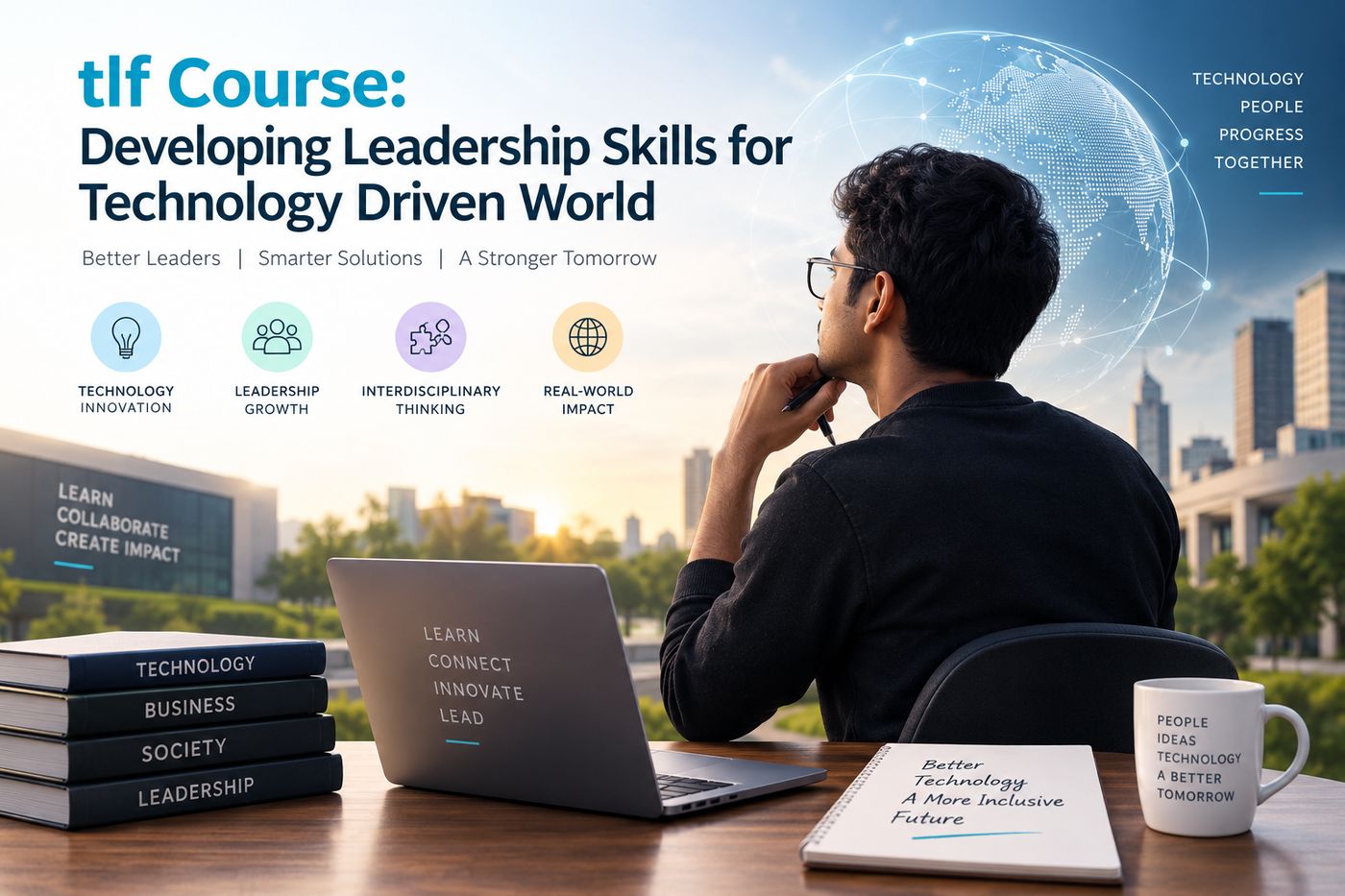
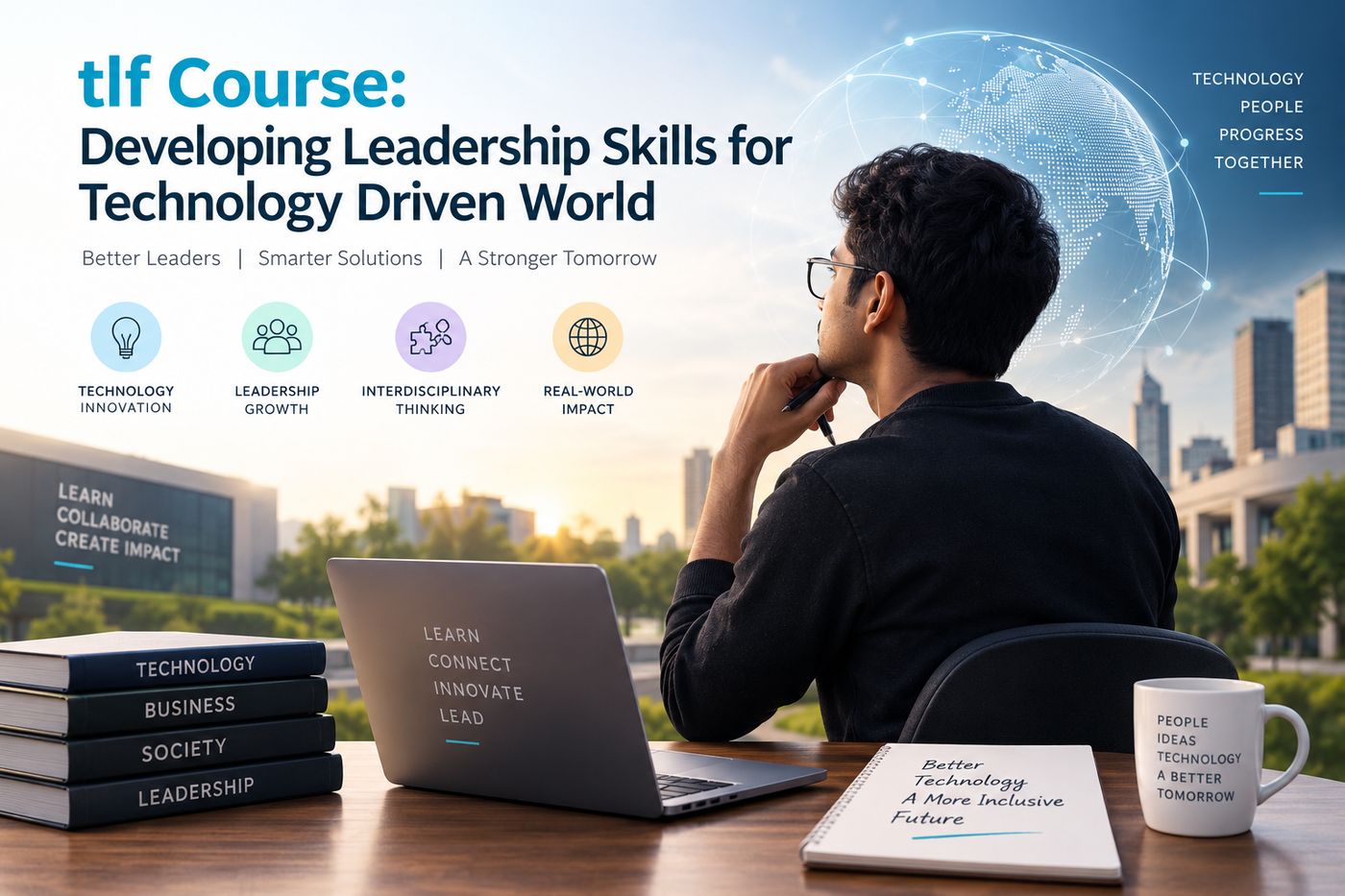
Technology is changing how organizations solve problems, create products, and respond to complex challenges. As innovation becomes increasingly interdisciplinary, young professionals need more than technical knowledge to navigate this environment. They also need the ability to think critically, collaborate across disciplines, understand real world challenges, and lead with purpose. Programs focused on leadership and technology can help learners develop these capabilities while encouraging them to explore ideas beyond conventional academic boundaries.
For aspiring technology leaders, the TLF course can provide an opportunity to explore leadership, innovation, entrepreneurship, and technology through an integrated learning experience. TLF, which stands for Tech Leaders Fellowship, is designed around the idea that effective leadership requires both technical understanding and a broader perspective. Participants can engage with challenging problems, exchange ideas with peers, and develop the confidence needed to contribute meaningfully to a rapidly evolving technology landscape.
Developing a Broader Perspective
Modern technology problems rarely belong to a single discipline. Artificial intelligence, climate technology, healthcare innovation, cybersecurity, and sustainable development require people to connect knowledge from multiple fields. This makes interdisciplinary thinking an important skill for emerging leaders. Instead of focusing only on a specific technical solution, learners can develop the ability to understand the larger context, identify different perspectives, and consider how technology interacts with society.
A strong leadership learning experience also encourages participants to become better problem solvers. They may encounter unfamiliar situations where there is no straightforward answer. Working through these challenges can help them become more comfortable with ambiguity and develop structured approaches to decision making. Collaboration is equally important because meaningful innovation often emerges when people with different experiences and skills work toward a shared objective.
Learning Through Experience
The course can help learners strengthen their leadership abilities by combining conceptual learning with practical exposure. Rather than treating leadership as a collection of predefined rules, an experiential approach allows participants to reflect on their decisions, work with others, and understand the responsibilities that come with leading teams and initiatives.
Technology leaders also need strong communication skills. A technically sound idea has limited value if it cannot be explained clearly to colleagues, stakeholders, or wider audiences. Developing the ability to communicate complex concepts in a simple and compelling manner can help emerging leaders build trust and encourage collaboration. Listening, giving constructive feedback, and understanding different viewpoints are equally valuable aspects of effective leadership.
Preparing for Emerging Challenges
The TLF course can be particularly relevant for learners who want to understand how technology connects with broader questions around business, society, and innovation. Exposure to different ideas can encourage participants to look beyond immediate solutions and consider long term implications. This perspective is increasingly important as emerging technologies influence workplaces, industries, communities, and everyday life.
Leadership development is also an ongoing process. Individuals need opportunities to examine their strengths, recognize areas for improvement, and learn from experiences. A fellowship environment can support this process by bringing together motivated individuals who can challenge one another's assumptions and share different approaches to solving problems. Such interactions can build both professional confidence and a stronger sense of responsibility.
Building a Purpose Driven Mindset
The TLF course can help participants approach leadership with a purpose driven mindset. Technology can create significant opportunities, but responsible innovation requires an understanding of its wider implications. Future leaders need to consider questions of accessibility, sustainability, ethics, and the needs of diverse communities when developing or implementing technological solutions.
Learning in a collaborative environment can further encourage curiosity and continuous growth. Participants can learn from peers, mentors, practitioners, and real world challenges while developing perspectives that may remain valuable throughout their careers. These experiences can help them become more adaptable and prepared to lead in environments where technologies, industries, and expectations continue to evolve.
Conclusion
Technology leadership is ultimately about more than managing technical projects or understanding emerging tools. It involves connecting ideas, people, and purpose to create meaningful solutions. By combining interdisciplinary thinking, practical learning, collaboration, and reflection, leadership focused programs can help prepare individuals for increasingly complex professional environments. Plaksha University provides an ecosystem where technology, innovation, and leadership can come together to encourage learners to think beyond conventional boundaries and prepare for the challenges of tomorrow.
https://plaksha.edu.in/pg/tech-leaders-fellowship
Frequently Asked Questions
What is the Tech Leaders Fellowship?
The Tech Leaders Fellowship is a learning experience focused on developing leadership capabilities alongside an understanding of technology, innovation, and real world problem solving.
Who can benefit from a technology leadership fellowship?
Students, young professionals, entrepreneurs, and individuals interested in technology and leadership can benefit, particularly those who want to strengthen their ability to collaborate, solve complex problems, and lead initiatives.
What skills can participants develop?
Participants can develop skills such as critical thinking, communication, collaboration, decision making, problem solving, adaptability, and interdisciplinary thinking.
Why is interdisciplinary learning important for technology leaders?
Many modern challenges involve multiple disciplines. Interdisciplinary learning helps individuals understand different perspectives and develop solutions that consider technical, social, business, and environmental dimensions. Plaksha University emphasizes an interdisciplinary approach that can help learners develop this broader perspective.