Tlf Course: Developing Leadership Skills for a Technology Driven World
-

- Published Updated
- 2,285 views
Introduction
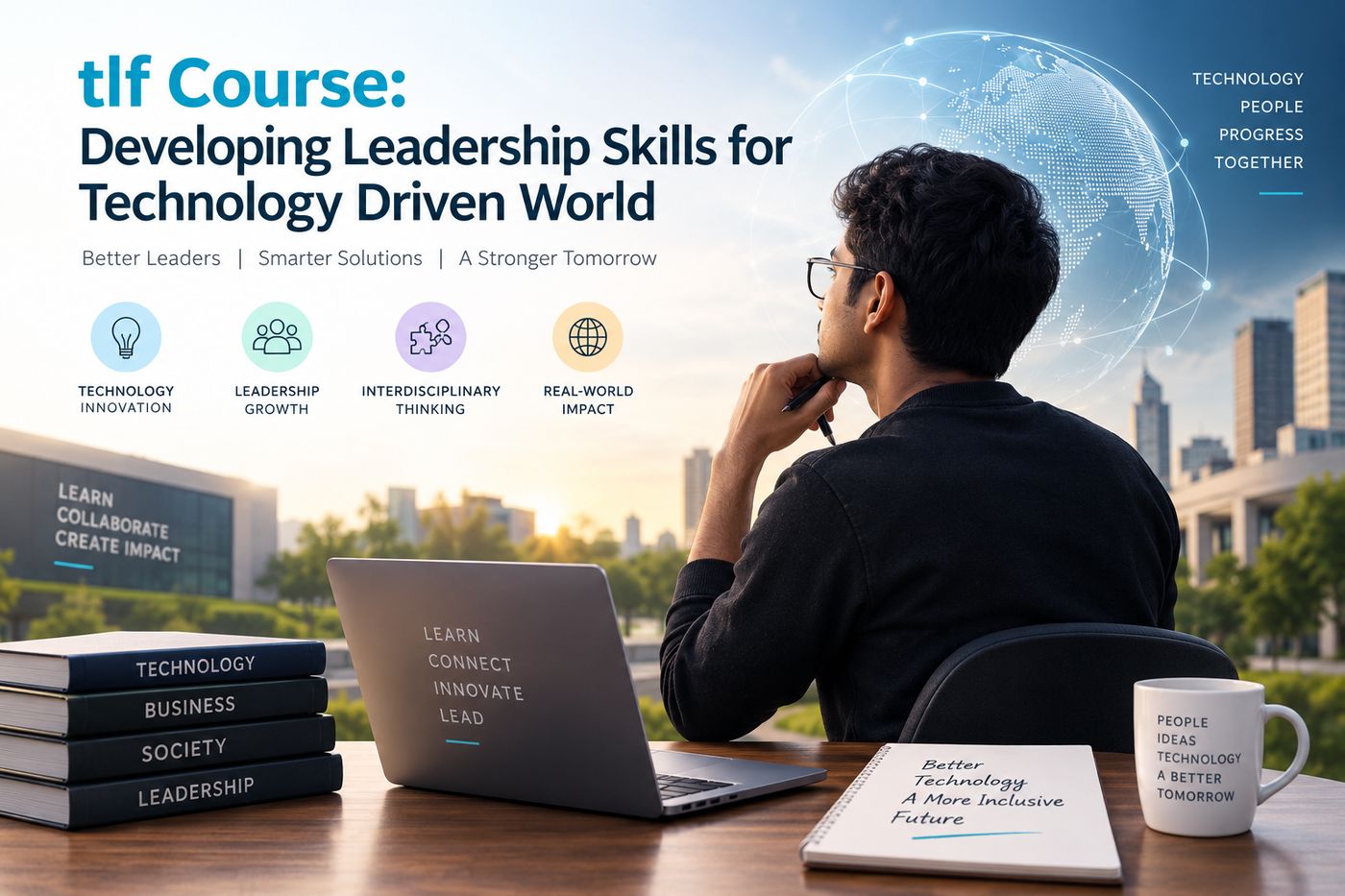
Technology is transforming industries, organizations, and the way people solve complex problems. As innovation accelerates, professionals need more than technical knowledge to create meaningful impact. They need the ability to understand emerging technologies, work across disciplines, make informed decisions, and lead teams through uncertainty. Learning experiences that combine technology, leadership, and real-world problem-solving can help professionals develop these capabilities and prepare for a rapidly changing future.
Why Leadership and Technology Must Come Together
Modern challenges rarely fit within a single discipline. A business problem may require an understanding of artificial intelligence, while a social challenge may benefit from insights from engineering, economics, design, or public policy. Technology leaders therefore need to look beyond their individual areas of expertise. They must connect ideas, evaluate different perspectives, and translate technological possibilities into practical solutions.
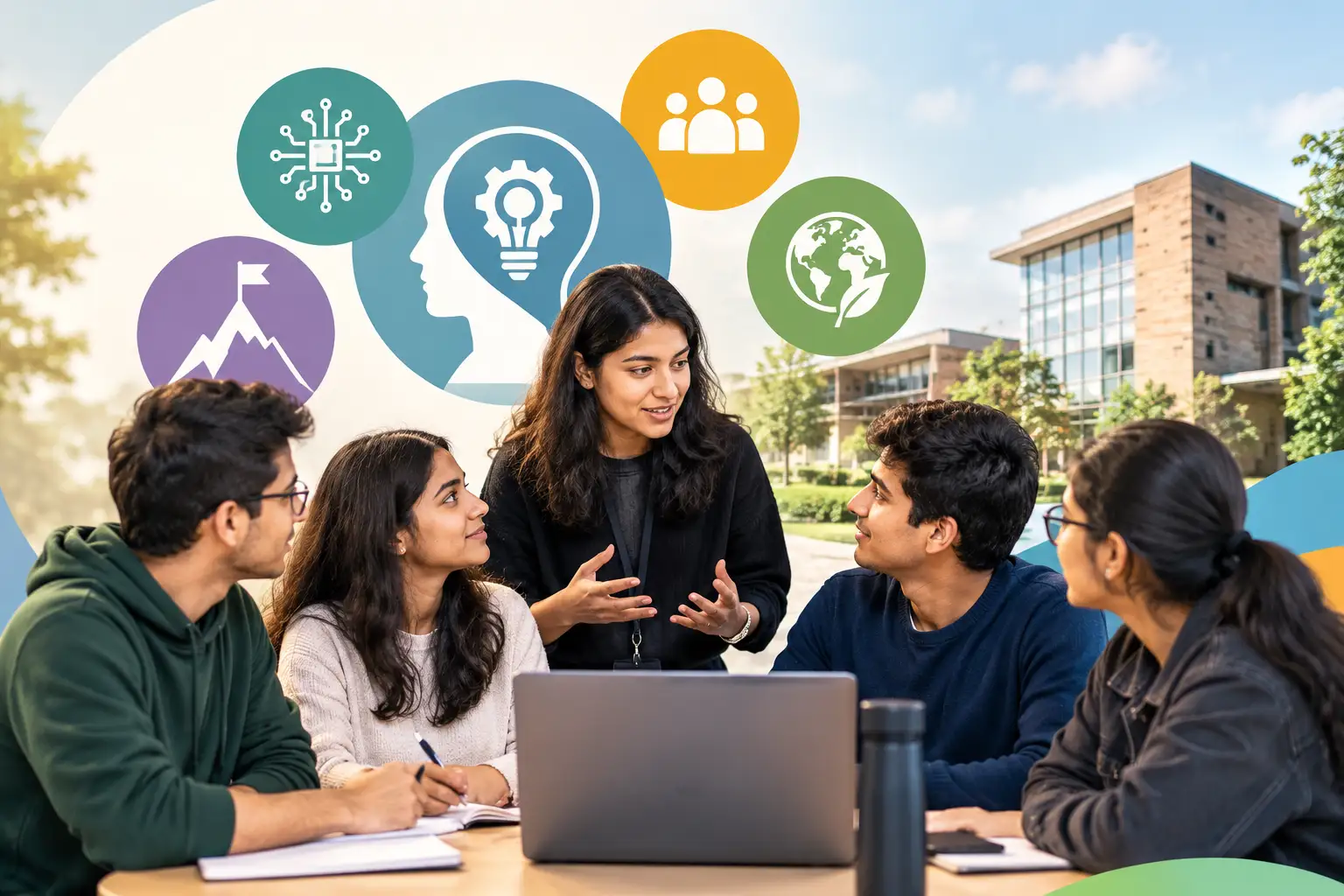
A strong learning environment can help professionals develop this broader perspective. Instead of focusing only on theoretical concepts, an effective program can encourage participants to explore real-world challenges, collaborate with peers, engage with experienced faculty and industry leaders, and develop solutions through experimentation. Such an approach can strengthen analytical thinking while also building communication, collaboration, and decision-making skills.
Developing Skills for Complex Challenges
Leadership development becomes particularly valuable when professionals are expected to make decisions in uncertain environments. They may need to evaluate new technologies, understand their implications, manage diverse teams, and determine how innovation can create sustainable value. Exposure to interdisciplinary thinking can help participants approach these situations with greater clarity.
They can provide a structured environment for professionals who want to understand technology beyond individual tools or technical applications. By bringing together perspectives from technology, business, society, and leadership, the learning experience can encourage participants to examine problems from multiple angles. This broader approach can help them recognize opportunities, challenge assumptions, and develop solutions that are relevant to real-world needs.
For professionals considering the tlf course, another important consideration is the opportunity to learn through collaboration. Working with people from different professional backgrounds can introduce new ways of thinking and encourage participants to question established approaches. Discussions, projects, case studies, and experiential learning can make the learning process more engaging while helping participants connect concepts with practical situations.
The Value of an Interdisciplinary Learning Environment
Interdisciplinary education can play an important role in preparing professionals for the future. Technology continues to evolve, but the ability to adapt, learn continuously, and work across boundaries remains valuable regardless of how specific tools or technologies change. A learning environment that combines different perspectives can therefore help participants develop skills that remain relevant over time.
The tlf course can also encourage participants to think about the broader impact of technology. Innovation is not only about creating something new. It also involves understanding how solutions affect people, organizations, communities, and the environment. Exploring these dimensions can help emerging leaders make more thoughtful decisions and balance innovation with responsibility.
Preparing for Future Leadership Roles
Future technology leaders will increasingly be expected to connect technical possibilities with organizational goals. They may work with engineers, entrepreneurs, researchers, policymakers, designers, and business teams to turn ideas into outcomes. This requires confidence in communication, openness to different perspectives, and the ability to lead collaborative efforts.
A well-rounded leadership learning experience can help professionals build these capabilities while giving them opportunities to reflect on their own leadership approach. Participants can gain greater awareness of their strengths, identify areas for development, and learn how to navigate complex situations. These experiences can be valuable for professionals seeking to take on larger responsibilities or contribute to technology-driven transformation.
Conclusion
Technology leadership requires more than expertise in a particular field. It demands curiosity, adaptability, interdisciplinary thinking, and the ability to create meaningful outcomes through collaboration. By combining technology with leadership and real-world problem-solving, professionals can develop a broader perspective on innovation and its potential impact. Plaksha University offers an environment where learners can explore these ideas while developing the capabilities needed to navigate an increasingly technology-driven world.
Frequently Asked Questions
Who can benefit from a technology leadership program?
Professionals, entrepreneurs, researchers, and individuals working with technology-driven organizations can benefit from programs that develop leadership, interdisciplinary thinking, and problem-solving capabilities.
Why is interdisciplinary learning important for technology leaders?
Technology increasingly intersects with business, society, design, policy, and other fields. Interdisciplinary learning helps professionals understand these connections and approach complex challenges from multiple perspectives.
What skills can participants develop?
Participants can strengthen analytical thinking, communication, collaboration, decision-making, problem-solving, adaptability, and leadership skills while gaining a broader understanding of technology and innovation.
How can such a program support career development?
A strong learning experience can help professionals expand their perspectives, build leadership capabilities, collaborate with peers from diverse backgrounds, and become better prepared for roles involving technology and organizational transformation. Plaksha University provides an academic environment focused on developing future-ready capabilities through interdisciplinary learning.