Cushion Cut Tennis Bracelet: Timeless Sparkle for Everyday Wear
-

- February 23rd, 2026
- 1,287 views
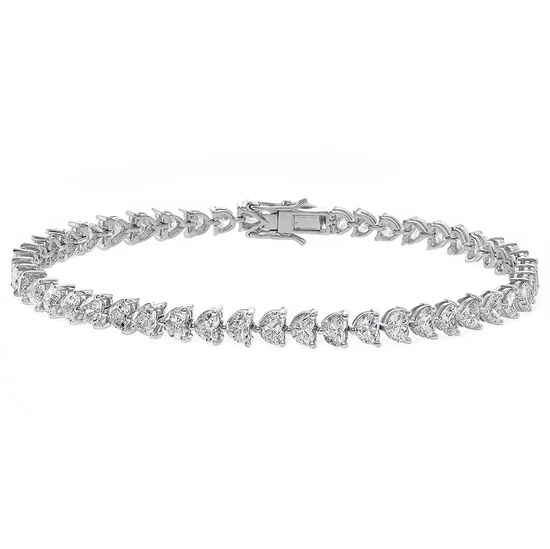
A cushion cut tennis bracelet combines classic elegance with modern versatility. The cushion cut tennis bracelet features softly rounded corners and a brilliant facet pattern that enhances light return, making it a favored choice for those seeking sparkle that suits both everyday wear and formal occasions.
- Design: Cushion-cut stones offer a mix of vintage charm and modern brilliance.
- Versatility: Works for casual, business, and evening looks.
- Materials: Common settings include prong and bezel in gold or platinum.
- Care: Regular inspections and gentle cleaning extend lifespan.
- Buying tip: Look for certification and clear information about cut, clarity, and carat weight.
Why a cushion cut tennis bracelet is the perfect accessory
The cushion cut tennis bracelet offers balanced proportions and luminous fire, attributes that make it flattering on a wide range of wrist sizes. Cushion-cut stones — whether diamonds or other gemstones — typically show larger facets than rounds, which can emphasize color and brilliance. Because tennis bracelets are continuous lines of matched stones set in a flexible chain, the combination with cushion-cut shapes creates a refined, continuous sparkle that complements many styles.
Design and optical advantages
Cut characteristics
Cushion cuts are known for a pillow-like silhouette with rounded corners and a faceting scheme that can vary from vintage-style larger facets to modern brilliant patterns. These variations affect how light is returned and whether the stone emphasizes fire (color flashes) or scintillation (flashes when moved).
Setting styles
Common settings for tennis bracelets include four-prong, shared-prong, and bezel settings. Prong settings allow maximum light and sparkle, while bezels protect the girdle and are suited for more active wear. The choice of setting impacts both appearance and durability.
Material choices: metals and gemstones
Metal options
Metals commonly used are 14k or 18k yellow, white, or rose gold, and platinum. Platinum offers greater hardness and hypoallergenic properties, while gold provides more color variety and is generally lighter. The metal color can influence perceived color of the stones—white metals tend to make diamonds appear whiter, whereas yellow and rose gold can warm the overall look.
Gemstone considerations
Diamonds are traditional for tennis bracelets, but sapphires, emeralds, and lab-grown stones are also popular. When choosing gemstones, consider carat weight, cut quality, clarity, and color. Matching cushion cuts across the bracelet helps preserve a uniform line and consistent sparkle.
Sizing, durability, and care
Fitting the bracelet
Proper fit is important for comfort and appearance. A tennis bracelet should rest comfortably on the wrist and move freely without sliding too far up the arm. Typical guidance suggests a length that is 1/2 to 1 inch longer than the wrist circumference, but personal preference and wrist shape matter.
Durability and maintenance
Regular inspection of settings and clasps helps prevent loss of stones. Prongs can wear over time; professional tightening and occasional re-tipping are recommended. Clean gently with mild soap and water or a soft jewelry brush. For professional standards and gemstone education, consult resources from recognized institutions such as the Gemological Institute of America (GIA): www.gia.edu.
Styling tips and occasions
Everyday versus evening wear
A cushion cut tennis bracelet transitions well from day to night. For daytime and office settings, choose a modest carat total and a secure setting like a bezel or well-secured prongs. For evening wear, larger stones and a higher total carat weight increase visual impact.
Layering and complementary pieces
Layer with slim bangles or a sleek watch for a curated wrist stack. Match metal tones across pieces for a cohesive look, or intentionally mix metals for a contemporary contrast. Consider proportions—delicate chains and smaller stones pair well with a larger statement ring or pendant.
Buying considerations and certification
Certification and provenance
Obtain grading reports or certificates for diamonds and high-value gemstones. Certification provides independent assessment of cut, clarity, color, and carat weight and can be important for resale or insurance. Also inquire about sourcing and responsible practices; certification and supply-chain disclosures are part of ethical buying standards promoted by industry bodies.
Budget and long-term value
Decide on priorities—size, cut quality, or metal type—and balance these with budget. Cushion cuts can appear larger face-up than some other shapes at similar carat weights due to their spread, offering visual impact in a tennis-bracelet format.
Professional appraisal and insurance
Consider a professional appraisal for insurance and documented replacement value. Ensure the appraisal comes from a qualified appraiser accredited by recognized organizations in the gem and jewelry field.
Care checklist
- Inspect prongs and clasps every 6–12 months.
- Clean periodically with mild soap and water; dry with a soft cloth.
- Store separately to prevent scratches—use a soft pouch or lined box.
- Have a jeweler check for loose stones after any impact or heavy wear.
Final considerations
A cushion cut tennis bracelet combines a flattering stone shape with the continuous line and flexibility of a tennis setting, delivering both visual elegance and wearable practicality. Whether selecting diamonds or colored gemstones, attention to cut, setting, metal, and certification will help ensure the bracelet remains a lasting accessory.
Frequently asked questions
What makes a cushion cut tennis bracelet different from other tennis bracelets?
The cushion cut tennis bracelet features cushion-shaped stones with rounded corners and a faceting pattern that emphasizes larger flashes of light. This contrasts with round cuts, which focus on uniform brilliance, and princess cuts, which have sharper corners and a different light performance.
How should a cushion cut tennis bracelet be cleaned?
Clean gently with a soft brush and mild soap in lukewarm water. Rinse well and pat dry. Avoid harsh chemicals or ultrasonic cleaners for certain gemstones—consult a qualified jeweler for stones like emeralds that can be treated or fragile.
Is a cushion cut tennis bracelet practical for everyday wear?
Yes, when set securely and chosen with durability in mind. Opt for sturdy settings and appropriate metal type. Regular maintenance and mindful wear will support daily use while preserving appearance.
How can authenticity and quality be verified for a cushion cut tennis bracelet?
Request grading reports and documentation of provenance. Independent lab reports from recognized entities provide reliable information on cut, clarity, color, and carat weight. Consider professional appraisal and insurance for high-value pieces.