Custom Lipstick Boxes: Practical Design and Material Strategies to Elevate Your Brand
-

- February 23rd, 2026
- 1,281 views
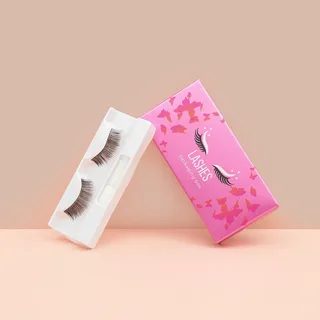
Packaging is a visible expression of a beauty brand's values and identity. Custom lipstick boxes offer opportunities to improve shelf presence, protect product quality, and create a memorable unboxing experience. This guide explains design choices, material options, printing methods, regulatory considerations, and cost factors to help manufacturers, retailers, and small labels make informed decisions about custom lipstick boxes.
- Custom lipstick boxes enhance brand recognition and retail impact.
- Material choices (paperboard, rigid boxes, recycled stock) affect durability and sustainability.
- Printing and finishing (offset, digital, embossing, matte/gloss) shape perceived value.
- Labeling and regulatory requirements for cosmetics should be checked with authorities such as the U.S. Food and Drug Administration.
- Consider structural design for protection, display, and SKU management to optimize cost and user experience.
Why custom lipstick boxes matter for brand building
Custom lipstick boxes communicate brand identity before a product is touched. A well-designed box supports brand differentiation on crowded retail shelves, provides space for essential labeling and ingredient lists, and can increase perceived value—leading to stronger retail conversion and repeat purchases. Elements such as typography, color matching, and tactile finishes contribute to the overall impression and should align with broader brand guidelines.
Key design elements for effective lipstick packaging
Structural design and protection
Structural design decisions affect product safety during transport and display. Options include tuck-end boxes, sleeve-and-tray constructions, and rigid boxes with foam inserts. Consider dimensions that secure the tube without excessive movement, and add inner supports or die-cut windows where needed. Structural integrity also influences stacking and shelving behavior in warehouses and stores.
Visual design and color
Color consistency is important; use Pantone or other color-matching systems to reproduce brand shades across print runs. High-contrast typography improves legibility for product names and claims. Visual cues such as swatches, swipes, or small sample windows can help consumers choose shades without opening packaging.
Finishes, textures, and special effects
Finishes like matte lamination, soft-touch coatings, spot UV, embossing, and metallic foils elevate perceived quality. These treatments interact with printing methods and substrate choice, and they affect cost. Select finishes that complement brand positioning—luxury brands may favor foil and embossing, while sustainable brands may emphasize uncoated, recyclable stocks.
Materials and sustainability considerations
Common materials
Paperboard and folding cartons are common for mass-market lipstick boxes due to cost-effectiveness and recyclability. Rigid boxes provide premium presentation and protection but increase material use and cost. Coated papers enable sharper printing, while uncoated or recycled stocks support sustainability messaging.
Recyclability and eco-labels
Many consumers prioritize sustainable packaging. Use mono-material constructions where possible to simplify recycling, and avoid mixed-material laminates that hinder recyclability. Include clear disposal instructions on the box and consider third-party certifications or eco-labels to validate sustainable claims. Verify compliance and guidance from relevant regulators and standards organizations.
Printing methods and production considerations
Offset vs. digital printing
Offset printing delivers consistent color and is cost-effective for larger runs. Digital printing reduces setup costs and enables short runs, personalization, and variable data printing for promotions or limited editions. Choose the method that balances unit cost, color fidelity, and lead time.
Finish and quality control
Quality control checkpoints should include color accuracy, registration, varnish application, and structural folding. Samples and press proofs are essential before full production to confirm dielines, fold points, and finishing details.
Labeling, compliance, and safety information
Cosmetic packaging must display specific information such as ingredient lists, net quantity, manufacturer contact, batch codes, and any required warnings. Regulatory requirements vary by market; consult national regulators for labeling rules and testing standards. For guidance in the United States, refer to the U.S. Food and Drug Administration website.
Cost drivers and production planning
Factors that affect cost
Material type, ink coverage, finishing effects, die-cut complexity, and order quantity are the main cost drivers. Larger runs reduce per-unit cost but increase inventory risk. Prototype early and plan SKU assortments to balance variety with manufacturing efficiency.
Inventory and fulfillment
Consider how packaging dimensions impact warehousing and shipping costs. Flat-pack designs save space during storage and transport. Coordinate packaging specifications with fulfillment partners to ensure compatibility with automated pick-and-pack systems.
Measuring impact: testing and retail feedback
In-market testing
Test packaging concepts with shelf mock-ups, consumer panels, or A/B tests in e-commerce listings. Metrics to track include conversion rate, average order value, return rate, and social engagement around unboxing experiences. Collecting retailer feedback can also inform adjustments for shelf visibility and merchandising.
Durability and shelf-life testing
Perform drop tests, humidity exposure, and abrasion assessments to confirm that packaging preserves product integrity through distribution and display periods.
Frequently Asked Questions
What are custom lipstick boxes and why are they important?
Custom lipstick boxes are tailor-made packaging solutions designed specifically for lipstick products. They serve multiple roles: protecting the product, conveying brand identity, providing regulatory information, and creating a sensory unboxing experience that can influence purchase decisions.
How do printing methods affect the look and cost of lipstick boxes?
Offset printing offers high color fidelity for larger runs and is generally more cost-effective at scale. Digital printing suits short runs and personalization with faster turnaround but can be pricier per unit for large quantities. Finishes like foil stamping or embossing increase perceived value and cost.
Which materials are best for sustainable packaging?
Recycled paperboard and mono-material stocks that are widely recyclable are common sustainable choices. Avoid mixed-material laminates and include clear disposal instructions. Consider certifications or eco-labels to substantiate sustainability claims.
Are there labeling rules to follow for cosmetic packaging?
Yes. Labeling requirements vary by country and typically include ingredient lists, net quantity, manufacturer contact, and batch codes. Consult national regulatory agencies—for example, the U.S. Food and Drug Administration—for specific guidance and compliance information.