Custom Name Plates: 10 Ideas for Better Office and Wall Signs
-
- Published Updated
- 1,965 views
A name plate may look like a small detail, but it can make a room easier to identify and more organised. From office doors and reception areas to homes and private rooms, custom name plates help people quickly understand who uses a space or what a room is for. The right material, size, colour, font, and placement can also improve the overall appearance of the space.
1. Custom Name Plates for Clear Identification
Custom name plates are made to identify a person, room, office, desk, or specific area. Unlike standard signs with fixed designs, they can be created according to the information and appearance required for a particular location.
for more information visit: https://zamadina.com/name-plates-dubai/
For example, an office door may need a person's name and job title, while a meeting room may only need the words "Conference Room." A home may use a family name, house number, or room name.
The main purpose is simple: make identification easier.
A well-designed plate should be readable from a suitable distance. The text should not be too small, and the design should not contain unnecessary details that make the information difficult to understand.
Custom plates are commonly used in:
- Private offices
- Meeting rooms
- Reception areas
- School classrooms
- Hotel rooms
- Clinics
- Apartment doors
- Residential entrances
- Employee desks
- Workstations
For example, a law office might use a plate displaying "Ahmed Khan – Legal Consultant." This gives visitors useful information without requiring them to ask staff for directions.
2. Acrylic Name Board for Modern Spaces
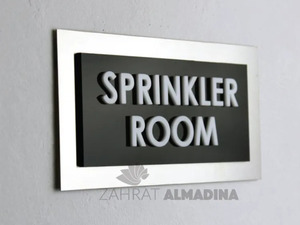
An acrylic name board is a popular choice when a clean and modern appearance is needed. Acrylic has a smooth surface and can be produced in different colours, thicknesses, and finishes.
Clear acrylic can create a simple glass-like appearance, while coloured acrylic can be used when the sign needs to match an existing interior design. Text, logos, and other graphics can also be added to the surface.
Acrylic works particularly well in offices because it can look neat without making the space feel crowded.
For example, a company could install acrylic plates outside each department:
- Human Resources
- Finance Department
- Sales
- Administration
- Marketing
Another option is to use acrylic for individual employee offices. The same design can be repeated throughout the building to create a consistent appearance.
The size of an acrylic board should depend on the amount of information it contains. A short name may only need a small plate, while a name, job title, department, and logo may require more space.
3. Custom Office Door Signage for Workplaces
Custom office door signage helps employees and visitors identify rooms quickly. In a large office, clear door signs can reduce confusion and make navigation easier.
An office door sign may include:
- Employee name
- Position or designation
- Department
- Room number
- Company logo
- Working information
- Room function
For example:
Sara Ahmed
Operations Manager
This is usually more useful than placing too much information on the door.
Custom office door signage can also be used for rooms that are not assigned to individuals. Meeting rooms, storage rooms, server rooms, reception areas, and staff rooms can all have dedicated signs.
In shared workplaces, simple signs can make a big difference. Someone attending a meeting can find the correct room without repeatedly asking employees for directions.
The design should also consider the surroundings. A plate placed on a dark wooden door may need a different text and background combination from one installed on a white or glass door.
4. Wall Name Plates for Different Areas
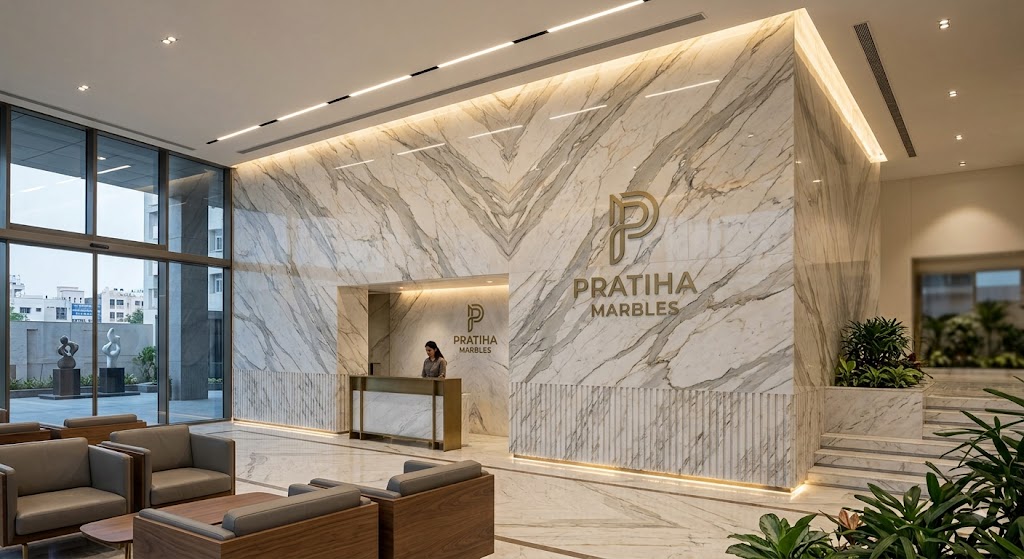
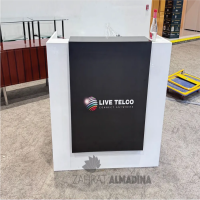
Wall name plates are useful when information needs to be displayed on a wall rather than a door. They can identify departments, reception counters, rooms, floors, or specific areas within a building.
For example, a company may install a large department name plate behind the reception desk. Another business may use smaller wall plates near corridors to help visitors find different departments.
Wall-mounted plates can also be useful in educational and healthcare environments.
A school could use signs such as:
- Principal's Office
- Staff Room
- Science Lab
- Computer Room
- Library
A clinic might use:
- Reception
- Consultation Room
- Pharmacy
- Waiting Area
- Laboratory
The placement is important. A wall plate should be installed at a height and position where people can see it without difficulty. If the sign is placed behind furniture or in a poorly lit corner, even a well-designed plate may not work effectively.
5. Choosing the Right Material
The material of a name plate affects its appearance, durability, weight, and maintenance requirements. There is no single material that works for every situation.
Acrylic is often selected for modern indoor environments. It has a smooth finish and supports many design options.
Metal can be suitable when a more solid or formal appearance is required. It may work well in corporate buildings, professional offices, and outdoor locations, depending on the material and finish.
Wood can provide a warmer and more traditional appearance. It may suit homes, restaurants, hotels, or offices with natural interior designs.
Other materials can also be considered depending on the location and purpose.
When choosing a material, think about:
- Where the plate will be installed.
- Whether it is indoors or outdoors.
- How often it will be touched.
- How much information it must display.
- What appearance suits the surrounding area.
- How frequently it may need cleaning or replacement.
For example, an indoor employee name plate does not face the same conditions as a sign installed outside a building.
6. Design, Font, and Colour Matter
The information on a name plate is only useful when people can read it easily. Therefore, typography and colour should be considered carefully.
A decorative font may look attractive, but it can become difficult to read when the letters are small. Simple fonts are usually easier to understand, especially for office and directional signage.
Colour contrast is also important. Dark text on a light background is generally easy to read, while light text can work well on a darker background.
A name plate should not contain too many fonts or colours. A simple layout often looks more organised.
For example, an office plate could have the employee's name in a larger font, followed by the job title in a smaller size. A company logo could be placed to one side without taking attention away from the main information.
Before production, it is useful to check the spelling of every name, designation, department, and room number. A small spelling mistake can make an otherwise well-designed plate unsuitable for use.
7. Personalised Name Plates for Homes and Offices
Name plates are not limited to commercial buildings. They can also be used in homes to identify entrances, rooms, or family spaces.
A residential name plate might include:
- Family name
- House number
- Villa number
- Apartment number
- Street information
Some homeowners prefer a simple design with only a name and number. Others may want decorative elements that match the style of their entrance.
Inside a home, smaller plates can identify rooms such as a study, children's room, guest room, or home office.
Businesses can take a similar approach. Instead of using one standard plate throughout a building, each plate can be customised for the person or area it identifies.
For example, an office with ten employees may use the same layout and material for all ten plates while changing the names and designations. This creates consistency while keeping each plate specific to its user.
8. Benefits of Using Custom Name Plates
There are several practical benefits to using properly designed name plates.
Easier Identification
The most obvious benefit is clear identification. Visitors can quickly understand which person, department, or room they are looking for.
Better Organisation
Clearly labelled spaces make an office or building feel more organised. Employees can also find rooms and departments more easily.
Professional Appearance
A clean and consistent naming system can contribute to the appearance of an office. It gives each area a defined identity.
Flexible Information
Custom plates can contain exactly the information required. A business can choose a name, title, department, room number, or other details.
Consistent Branding
Where appropriate, colours, fonts, and logos can be used consistently across different plates. This can help maintain a uniform visual style throughout a workplace.
Easy Updates
When employees change positions or offices, individual plates can often be replaced without changing the entire signage system.
For example, a company with several departments can maintain one basic design while updating individual plates whenever staff or room assignments change.
9. Examples of Name Plate Uses
The best design depends on the location and purpose. Here are some common examples.
Corporate Office
A corporate office may use individual door plates with an employee's name and position.
Example:
"Maria Joseph – Finance Manager"
Meeting Room
A meeting room usually needs a short and clear label.
Example:
"Meeting Room 2"
Reception Area
A reception name plate can identify the area and provide a clear point of reference for visitors.
School
Schools can use plates for classrooms and administrative areas.
Example:
"Classroom 5 – Grade 8"
Clinic
Healthcare facilities can use plates to identify doctors' rooms, laboratories, consultation areas, and reception.
Residential Property
A house or apartment can use a plate containing the family name and property number.
Retail Store
Retail businesses can use wall plates to identify customer service areas, offices, storage spaces, or fitting rooms.
These examples show why customisation is useful. Each location has different information requirements, so one standard design may not work equally well everywhere.
10. How to Plan the Right Name Plate
Before ordering or producing a name plate, it helps to make a simple plan. Start by deciding exactly what information needs to appear on it.
Next, choose the location. A plate for a glass door may require a different mounting method from one intended for a painted wall.
Then consider the size. The plate should be large enough for comfortable reading but should not overpower the door or wall.
The next step is choosing the material and finish. Acrylic, metal, wood, and other options can create very different visual effects.
Finally, review the artwork before production.
A simple checklist can help:
- Confirm all names and spellings.
- Check job titles and departments.
- Select the correct dimensions.
- Choose a suitable material.
- Check font size.
- Make sure text has enough contrast.
- Confirm the logo, if required.
- Decide where the plate will be mounted.
- Check the final layout before production.
For businesses that need multiple plates, it is useful to create one consistent design first. Once the layout is approved, the names and room details can be changed for each individual plate.
Zahrat Al Madina Printing Services provides different printing and signage options, including name plates that can be used for offices, walls, doors, and other identification purposes.
FAQs About Custom Name Plates
1. What are custom name plates used for?
They are mainly used to identify people, rooms, offices, departments, homes, desks, and other spaces. They can be customised with names, titles, numbers, logos, or other information.
2. Is an acrylic name board suitable for offices?
Yes. Acrylic is commonly used for indoor office signs because it has a smooth appearance and can be produced in different colours, sizes, and finishes.
3. Where can custom office door signage be installed?
It can be installed on office doors, meeting rooms, department doors, consultation rooms, reception areas, and other workplace entrances.
4. What are wall name plates used for?
Wall name plates can identify departments, rooms, reception areas, corridors, offices, and other spaces where door-mounted signs are not suitable.
5. How large should a name plate be?
The ideal size depends on the amount of information and viewing distance. A short name requires less space than a name combined with a job title, department, and logo.
6. Can a company use the same design for several employees?
Yes. A consistent design can be used for multiple employees while changing the name, designation, or department on each plate.
7. Can name plates include company logos?
Yes. Logos can be incorporated into many name plate designs. However, the logo should not be so large that it makes the main information difficult to read.
8. Are custom name plates suitable for homes?
Yes. They can be used for house entrances, apartment doors, room identification, home offices, and other residential areas.
9. What should I check before printing?
Check the spelling, dimensions, material, colours, font size, logo placement, and mounting location before the final plate is produced.
10. Can name plates be replaced later?
In many cases, yes. Individual plates can be replaced when a person changes offices, a room changes purpose, or information needs to be updated.
Final Thoughts
Custom name plates are a small but useful part of workplace and residential identification. Their main purpose is to make information clear, but their design can also influence how organised a space feels.
Choosing the right material, size, font, colour, and mounting position makes the plate easier to read and more suitable for its surroundings. An acrylic name board can work well in a modern office, while wall name plates can help identify departments and rooms. Similarly, custom office door signage can make workplace navigation easier for employees and visitors.
The most effective name plate is not necessarily the most complicated one. A clear layout, readable text, suitable material, and correct information are often enough. By focusing on these basic details, businesses and homeowners can create name plates that serve their purpose while fitting naturally into the space.