How to Choose the Right Wooden Dining Table for Your Home
-

- Published Updated
- 2,234 views
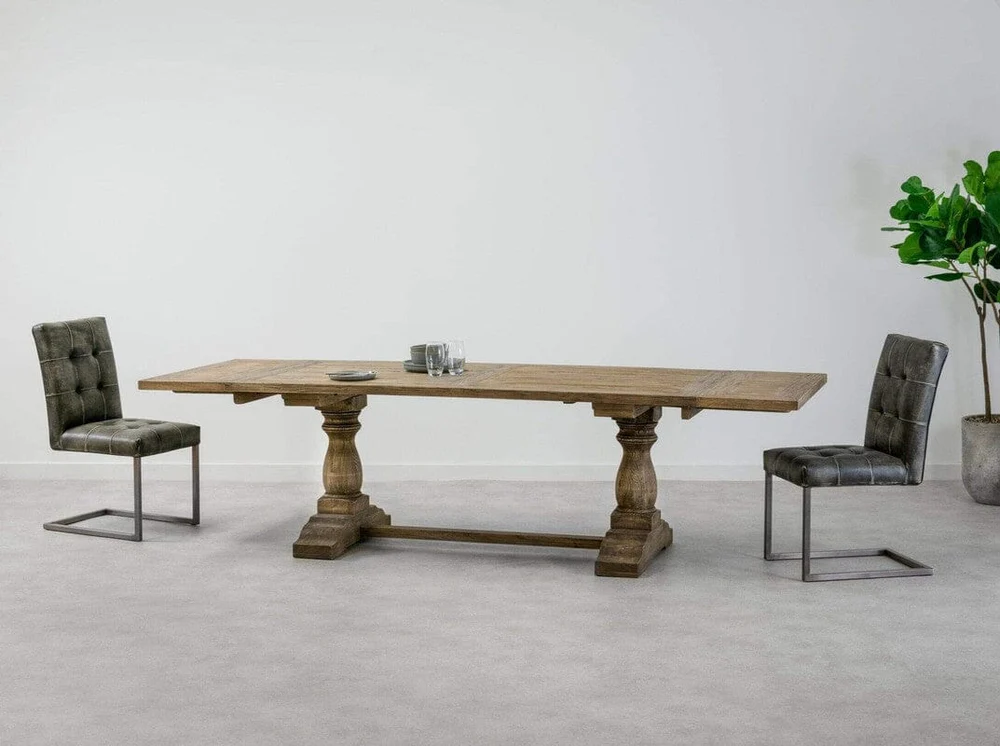
A dining table can become the centrepiece of a dining room. It is used for everyday meals, family conversations, celebrations and sometimes activities such as homework or working from home.
Because of its importance, choosing the right dining table requires careful consideration. Size, shape, material, construction and style all influence how well the table will work in your home.
Wooden dining tables remain a popular option because they can introduce natural warmth and character while working with a wide range of interior styles.
Start With Your Available Space
Before choosing a table, measure your dining room.
Record the maximum width and length available and consider the amount of space required around the table.
Dining chairs need enough room to be pulled away from the table comfortably. People should also be able to walk around the dining area without constantly moving furniture.
If you are considering an extendable table, measure both the compact and extended dimensions.
This ensures the table remains practical when additional seating is required.
Consider How Many People You Need to Seat
Think about your everyday household requirements.
A couple may only need a small table, while a larger family may require six or more seats.
If you occasionally host guests, an extendable design can provide additional capacity without requiring a permanently large table.
Avoid choosing a table simply because it has the highest seating capacity.
The available room should always be considered alongside the number of people you want to accommodate.
Choose the Right Shape
Rectangular dining tables are versatile and can work particularly well in longer rooms.
Round tables can create a more intimate atmosphere and allow everyone to face one another easily.
Oval tables combine some characteristics of both designs and can soften the appearance of a dining room.
The best shape depends on the proportions of your space and your preferred style.
Consider Wood Type and Finish
Wooden tables are available in different finishes and colours.
A natural finish can highlight the grain and character of the timber.
Darker finishes can create a traditional or substantial appearance, while lighter finishes can help a room feel brighter.
Think about your existing flooring and furniture before choosing a particular finish.
A table does not need to match every other piece exactly, but complementary materials can help create a cohesive interior.
Think About Durability
A dining table receives regular use.
It can be exposed to food, drinks, heat and everyday wear.
For this reason, construction quality is important.
Inspect the tabletop, joints and legs carefully. The table should feel stable when people lean against it or move around.
A well-made wooden table can provide long-term value and develop additional character over time with appropriate care.
Consider Maintenance
Wooden furniture usually requires sensible maintenance to preserve its appearance.
Always follow the manufacturer's care instructions.
Use suitable cleaning products and avoid exposing the surface to conditions that could damage the finish.
Consider your lifestyle when choosing the finish.
A busy family dining area may benefit from a practical surface that is relatively straightforward to maintain.
Match the Chairs
The chairs should work comfortably with the table.
Check the table height and make sure there is sufficient legroom.
Chair width is also important. If the chairs are particularly wide, fewer may fit comfortably around the table.
If you are buying chairs separately, take the table dimensions with you when shopping.
A coordinated dining set can make choosing compatible furniture easier, but mixing complementary styles can also create an attractive result.
Think About Your Interior Style
Wooden furniture can work across a wide range of interiors.
In a traditional home, a substantial wooden table can complement classic furniture.
In a contemporary room, a simpler design with clean lines can create a more modern appearance.
If your home has an open-plan kitchen and dining area, consider how the table looks alongside kitchen cabinets, flooring and living room furniture.
Explore Different Wooden Table Designs
When looking for a wooden dining table, compare different dimensions, finishes and designs rather than choosing based solely on appearance.
Consider how the table will be used every day and whether you need the ability to accommodate additional guests.
Consider the Overall Dining Room
A table should work with the other furniture in the room.
Think about sideboards, display cabinets and storage furniture.
A large table can become the dominant feature, so make sure the rest of the furniture is appropriately scaled.
Lighting is also important. A pendant light positioned above the table can create a strong focal point, but make sure it works with the table's dimensions.
Consider Table Storage
If your dining room contains serving equipment, tableware or other dining accessories, storage can be useful.
A sideboard can provide convenient storage while also giving you somewhere to display decorative objects.
However, avoid adding too much furniture to a small dining room.
Keep enough space for comfortable movement.
Look at Alternative Table Sizes
Not every dining room requires a large table.
A smaller table may be more appropriate for compact spaces.
If you occasionally entertain, an extending design can provide additional flexibility.
This allows you to keep the table compact during everyday use and expand it when guests arrive.
Consider Long-Term Use
Think about how your needs may change.
Your household size may increase, or you may begin hosting guests more frequently.
A flexible table can adapt to changing requirements.
Wooden furniture can also work with changing interior styles, particularly when the finish is relatively versatile.
Final Thoughts
Choosing a wooden dining table is about finding the right combination of size, material, style and practicality.
Start by measuring your room and identifying how many people you normally need to seat.
Then consider the shape, wood finish, construction quality and maintenance requirements.
If you also need larger dining room tables, compare designs based on both everyday and extended use.
With careful planning, a wooden dining table can provide a durable and attractive centrepiece for your dining room while remaining practical enough for everyday family life and larger gatherings.