How Custom Packaging Helps USA Brands Build a Stronger Product Identity
-
- Published Updated
- 3,314 views
Packaging is often the first physical interaction customers have with a product. Before they try what is inside, they see the box, read the branding, and form an initial impression. For businesses competing in the USA market, thoughtful packaging can be an important part of building a recognizable and professional product identity.
Custom packaging boxes give businesses the flexibility to create packaging around their products instead of relying entirely on standard-size boxes. From small startups to established brands, customized packaging can support product protection, branding, retail presentation, and the overall customer experience.
Why Packaging Matters for Modern Businesses
Customers see countless products every day, both online and in physical stores. A product with clear branding and attractive packaging can be easier to recognize and remember.
Packaging serves several purposes at the same time. It can protect the product during storage and transportation, communicate important information, and create a visual connection between the product and the brand.
For USA businesses, this can be especially important when selling through eCommerce websites, marketplaces, retail stores, and subscription services. The package may travel through several stages before reaching the customer, so businesses need to consider both appearance and functionality.
Custom Packaging Creates Better Brand Recognition
One of the biggest advantages of customized packaging is consistency. A business can use the same logo, typography, colors, and design elements across different packaging products.
For example, a skincare company might use a consistent visual style across its cream boxes, serum packaging, and gift sets. Similarly, a food business can create a recognizable packaging system for different product sizes and flavors.
Over time, consistent packaging can help customers associate specific visual elements with a particular brand.
Packaging for Different Product Categories
Different products require different packaging solutions. A small cosmetic item may need a compact box, while a larger gift set may require a stronger structure with internal compartments.
Custom packaging can be developed for many industries, including:
Cosmetics and skincare
Food and bakery products
Hemp and wellness products
Candles
Vape and accessory products
Retail products
Subscription boxes
Gift sets
E-commerce products
The packaging should always be selected according to the product's dimensions, weight, handling requirements, and sales channel.
The Importance of Choosing the Right Box Size
Box dimensions can have a major impact on packaging efficiency. A package that is too large may create unnecessary empty space, while one that is too small may not provide enough room for the product or protective materials.
Custom sizing allows businesses to create boxes around their actual products. This can help improve presentation and make storage and fulfillment more organized.
For online businesses, efficient packaging dimensions can also be useful when products are shipped directly to customers. The package needs to provide an appropriate balance between product protection and practical shipping requirements.
Printed Packaging and Brand Presentation
Printing gives businesses an opportunity to communicate their identity directly through the package.
A printed box may include:
Company logo
Product name
Brand colors
Product information
Website details
Simple graphics
Care instructions
Other relevant information
The design does not always need to be complicated. A clean logo and carefully selected typography can create a professional appearance. On the other hand, brands targeting customers who prefer bold visual experiences may choose more detailed artwork.
The most effective approach depends on the audience, product category, and overall brand identity.
Packaging and the eCommerce Experience
Online shopping has changed the role of packaging. Customers often discover a product through a website or social media before physically seeing it.
When the order arrives, the packaging becomes the connection between the digital brand experience and the physical product.
A well-designed package can contribute to a more memorable unboxing experience. Businesses can consider elements such as box structure, printed branding, internal presentation, and product protection.
For eCommerce brands, packaging should not focus only on appearance. It should also be practical enough to handle normal fulfillment and transportation conditions.
Sustainable Packaging Considerations
Many modern consumers pay attention to the materials and overall waste associated with products they purchase. Businesses can respond by considering packaging materials and designs that fit their sustainability goals.
Using appropriately sized packaging can help avoid unnecessary material. Brands can also evaluate recyclable or paper-based options when they are suitable for the product and its handling requirements.
Sustainable packaging should still provide the level of protection the product needs. A package that fails to protect an item during transportation may create additional waste through damaged products and replacements.
Custom Packaging for Small Businesses
Custom packaging is not only for large corporations. Small businesses can also use branded boxes to create a more professional product presentation.
A new business may start with a simple package featuring its logo and essential product information. As the business grows, it can expand its packaging system while keeping the same visual identity.
This approach can help create consistency without making the packaging unnecessarily complicated.
For small USA-based brands, packaging can also become part of their marketing strategy. Customers may share attractive packages through social media, creating additional exposure for the brand.
How to Choose a Packaging Style
Before selecting a packaging design, businesses should consider several questions:
What type of product will the box hold?
What are the product's exact dimensions?
Will the package be shipped or sold in a retail store?
Does the product require an internal insert?
What type of branding should appear on the box?
What materials are appropriate for the product?
What packaging quantity fits the business's expected demand?
Answering these questions can make the packaging process more organized and help businesses avoid choosing a design based only on appearance.
Creating a Professional Unboxing Experience
The customer experience does not necessarily end when someone receives the product. Opening the package can become part of the overall brand interaction.
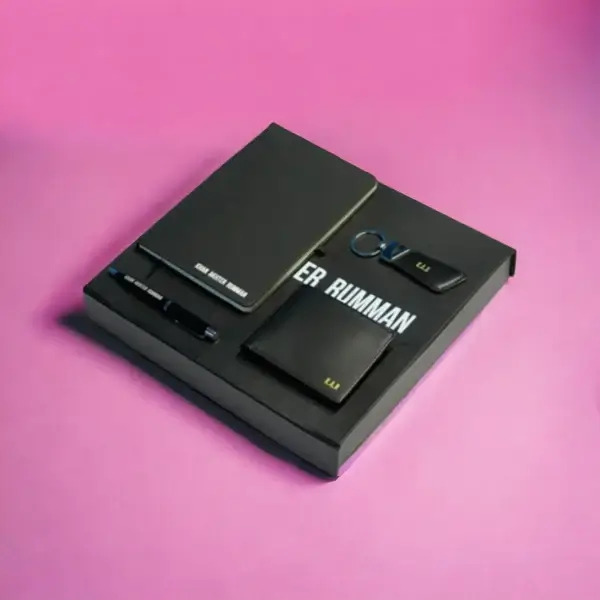
A well-planned unboxing experience can include a properly sized box, organized product placement, clear branding, and a clean interior presentation.
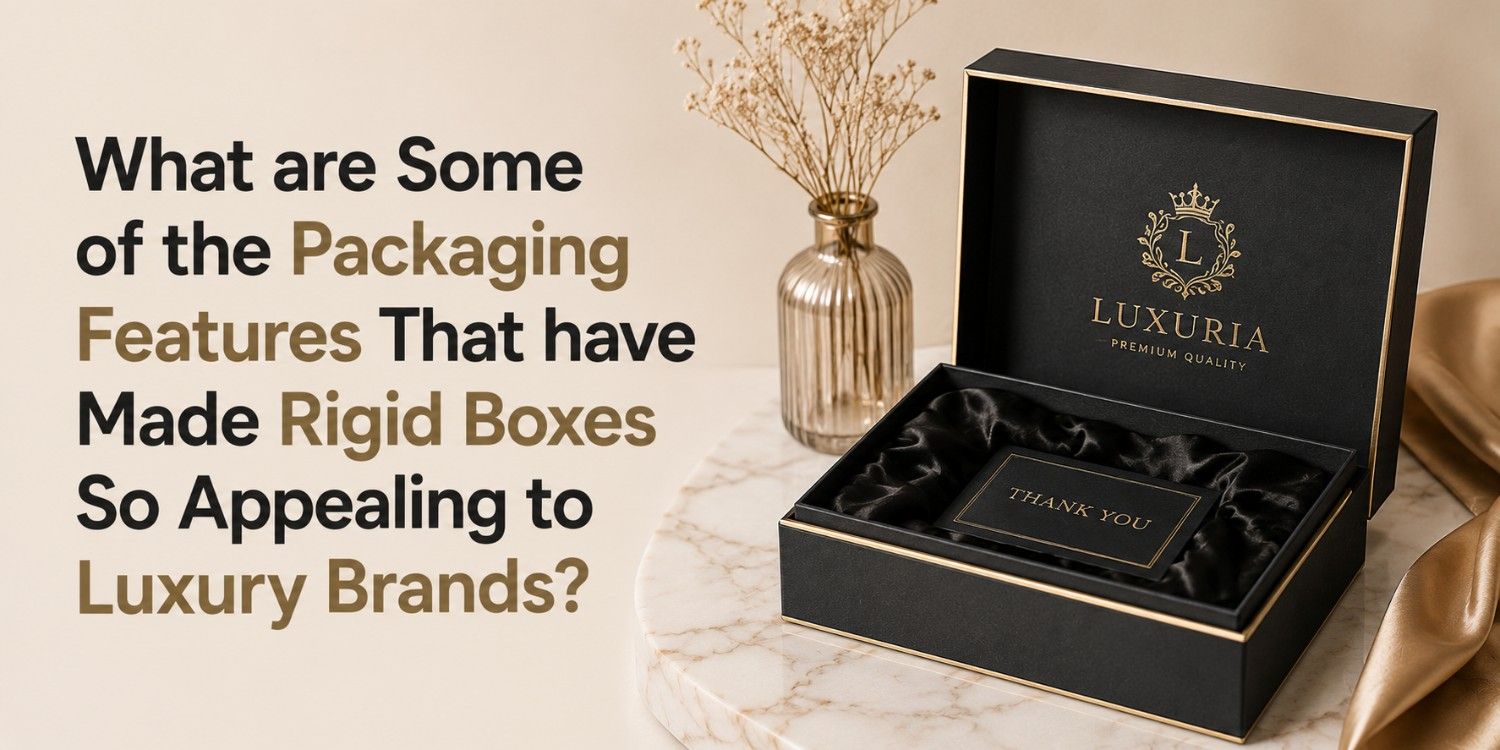
Luxury brands may choose premium finishes and rigid structures, while minimalist brands may prefer simple printed packaging. There is no single design that works for every business.
The key is making sure the packaging feels consistent with the product and the expectations of the target customer.
Final Thoughts
Custom packaging gives businesses greater control over how their products are protected, presented, and remembered. From small USA startups to established retail brands, customized boxes can support a stronger and more consistent visual identity.
The best packaging strategy combines several factors rather than focusing on design alone. Size, material, printing, structure, protection, customer experience, and budget should all be considered before production.
When these elements work together, packaging becomes more than a simple container. It can become an important part of the brand experience and help businesses create a professional presence in the competitive USA market.