How Vehicle Branding Turns Everyday Business Vehicles Into Moving Advertising
-
- Published Updated
- 105 views
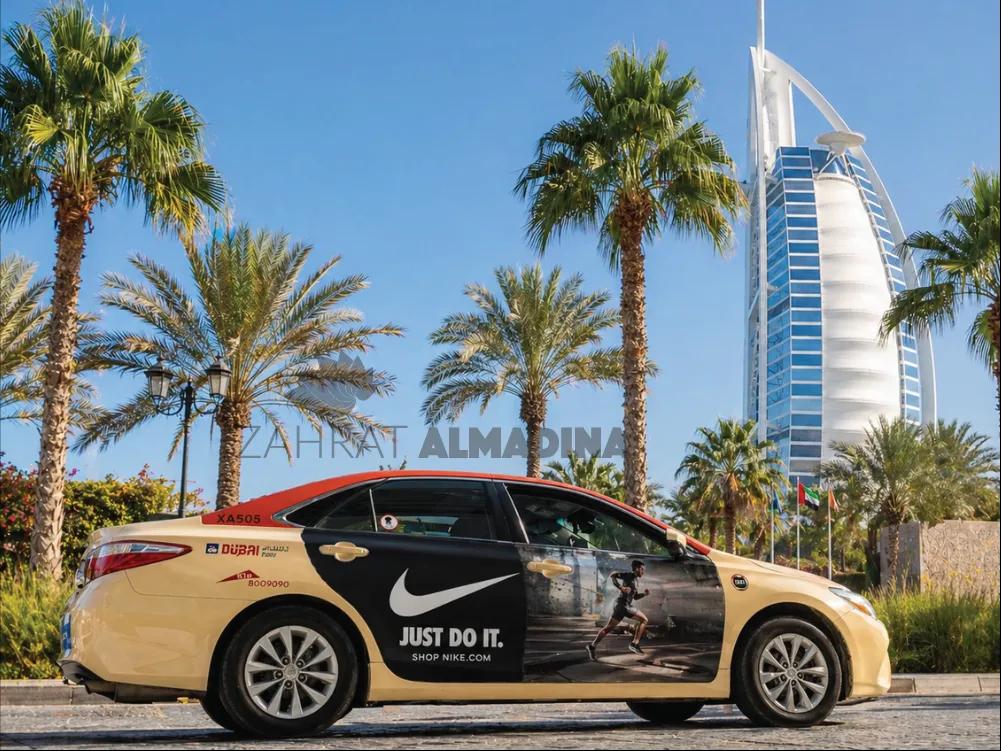
A business vehicle is often more than a way to transport employees, equipment, or products. Every time a branded van, car, truck, or delivery vehicle travels through busy streets, it can put a company's identity in front of potential customers. This makes vehicle branding a practical form of outdoor marketing that works while a business vehicle is being used for its normal daily activities.
For businesses considering vehicle branding services in Dubai for cars and commercial fleets, the main advantage is turning an existing vehicle into a recognizable mobile display without changing its basic purpose. The effectiveness of the result, however, depends on the design, material, coverage, and quality of installation.
Explore car sticker branding dubai: https://zamadina.com/stickers-printing-dubai/vehicle-branding/
What Is Vehicle Branding?
Vehicle branding involves applying printed graphics, lettering, logos, colors, or other visual elements to a vehicle to represent a business, product, service, or organization.
The branding can range from a few decals on the doors to graphics covering most of the vehicle.
Common approaches include:
- Door and side-panel graphics
- Company logos and contact details
- Vehicle decals
- Partial wraps
- Full vehicle wraps
- Fleet branding
- Promotional graphics
- Reflective or specialty graphics where appropriate
The right approach depends on the vehicle type, budget, branding goals, and how frequently the vehicle is used.
Why Vehicles Can Be Effective Advertising Spaces
Traditional advertising usually requires a dedicated location, such as a billboard, signboard, poster, or digital screen. A branded vehicle is different because its location changes throughout the day.
A delivery van may visit different neighborhoods, while a service vehicle might travel between residential and commercial areas. A fleet can therefore create repeated exposure as vehicles follow their normal routes.
The objective should not be to communicate every detail about a business. A moving vehicle is viewed for a limited amount of time, so the message needs to be understood quickly.
What Information Should Go on a Branded Vehicle?
Effective vehicle graphics usually focus on a small number of important elements.
Business Name and Logo
The company name and logo provide immediate identification. They should be positioned where they remain visible from common viewing angles.
Main Service
A short description of the main service can tell people what the business does. For example, a company might use phrases such as “AC Repair,” “Catering Services,” or “Property Management.”
Contact Information
A phone number, website, or short digital contact point can be included when appropriate. However, too much information can make the design difficult to read.
Brand Colors
Using consistent colors can help connect the vehicle with other business materials, including websites, uniforms, signage, and printed stationery.
Choosing Between Decals, Partial Wraps and Full Wraps
Vehicle branding does not always mean covering the entire vehicle.
Decals and Spot Graphics
Decals can be suitable when the goal is simple identification. A logo, phone number, or service description can be placed on doors, windows, or selected panels.
This approach may also work well for businesses with several vehicles that need consistent identification without extensive coverage.
Partial Wraps
Partial wraps cover selected areas of the vehicle. They can provide more visual impact while keeping some of the original vehicle visible.
This can be useful when the design needs larger graphics but a full wrap is unnecessary.
Full Wraps
A full wrap covers a much larger portion of the vehicle and allows more freedom with colors, imagery, and visual design.
Full wraps can create a strong visual transformation, but they also require careful measurement, artwork preparation, material selection, and installation.
Design for People Who Are Moving
A vehicle is not a brochure. People may see it for only a few seconds while walking, driving, or waiting at a junction.
That means the design should prioritize immediate recognition.
Useful design principles include:
- Keep the main message short
- Use readable fonts
- Make the logo clearly visible
- Use strong contrast
- Avoid overcrowding
- Prioritize important information
- Consider viewing angles
- Leave appropriate space around text
For vehicles operating in Dubai's busy roads and commercial areas, readability can be especially important because viewers may encounter the branding from different distances and directions.
Fleet Branding Creates Consistency
Businesses operating multiple cars, vans, trucks, or service vehicles can use a consistent branding system across the fleet.
This does not necessarily mean every vehicle has to look identical. Different vehicle sizes may require different layouts while maintaining the same logo, colors, typography, and core messaging.
For example, a small service car may use a compact door graphic, while a larger van can accommodate a larger side-panel design.
Consistency helps create a recognizable fleet while allowing each vehicle to be designed according to its physical shape.
Materials and Installation Matter
The visual quality of vehicle branding depends on more than artwork.
Vehicle graphics need to be produced on materials suitable for automotive surfaces and the expected conditions. The installation surface should also be properly cleaned and prepared before application.
Poor installation can result in:
- Wrinkles
- Air bubbles
- Uneven edges
- Misaligned graphics
- Lifting corners
- Visible dirt beneath the material
Businesses should also consider how the vehicle will be cleaned and maintained after installation.
Zahrat Al Madina Printing is one Dubai-based printing business that provides vehicle branding as part of its sticker-related services, giving businesses another local reference when researching available options.
Vehicle Branding Is More Than a Logo
A well-planned vehicle can communicate a business identity even when the vehicle is parked.
For example, a branded delivery van outside a retail location can reinforce the company's visual identity. A service vehicle parked at a customer's property can also provide a clear indication of which business is carrying out the work.
Businesses interested in understanding the wider role of vehicle graphics can review vehicle branding benefits, ideas and examples before deciding on a design.
How to Plan a Vehicle Branding Project
Before sending artwork for production, businesses should collect accurate vehicle information.
Important details include:
- Vehicle make and model
- Model year where relevant
- Number of vehicles
- Areas to be branded
- Preferred branding style
- Required contact information
- Intended installation date
- Any relevant regulatory requirements
A vehicle template or accurate measurements can help prevent design problems. Door handles, windows, lights, sensors, curves, and body panels all need to be considered when preparing the artwork.
Conclusion
Vehicle branding can turn ordinary business transportation into a mobile communication platform. Whether a company uses simple decals, partial graphics, or a full wrap, the most important factors are clear messaging, suitable materials, accurate artwork, and careful installation.
The best design for a vehicle is not necessarily the most complicated one. A recognizable logo, concise service message, appropriate contact information, and consistent brand identity can make a vehicle easier to recognize wherever its normal business activities take it.
Frequently Asked Questions
1. What is vehicle branding used for?
Vehicle branding is used to identify a business, promote services, display contact information, and create consistent visual branding on cars, vans, trucks, and other business vehicles.
2. Is a full vehicle wrap necessary?
No. Businesses can choose decals, door graphics, partial wraps, or full wraps depending on their objectives, vehicle type, design requirements, and budget.
3. What makes vehicle branding easy to read?
Short messages, clear typography, strong contrast, visible logos, and limited information generally make vehicle graphics easier to understand while the vehicle is moving.
4. Can multiple business vehicles have different designs?
Yes. A fleet can use different layouts based on vehicle size while maintaining consistent branding elements such as colors, logos, fonts, and core messaging.
5. How long does vehicle branding take to install?
Installation time depends on the vehicle size, coverage, design complexity, material, and preparation required. A simple decal installation may take considerably less time than a full vehicle wrap.