Custom Patches for Uniforms, Fashion, and Business Branding
-
- May 21st, 2026
- 5,081 views

FREE SEO Topical Map Generator: Find Your Next Content Ideas
Custom Patches Improve Brand Identity and Product Recognition
Custom patches create identifiable branding for uniforms, apparel, equipment, and promotional products. Businesses, motorcycle clubs, sports teams, fashion labels, and tactical organizations use embroidered patches, woven patches, PVC patches, and velcro patches to display logos, names, and rank identifiers.
The custom apparel market expanded between 2021 and 2026 because branded merchandise demand increased in retail, hospitality, construction, fitness, and logistics industries. Patch manufacturing also advanced through computerized embroidery systems and laser-cut border technology.
Custom patches appear on:
- Uniform shirts
- Tactical jackets
- Sports bags
- Denim apparel
- Motorcycle vests
Examples include security patches, biker patches, morale patches, and company logo patches.
Embroidered Patches Provide Durable Thread-Based Branding
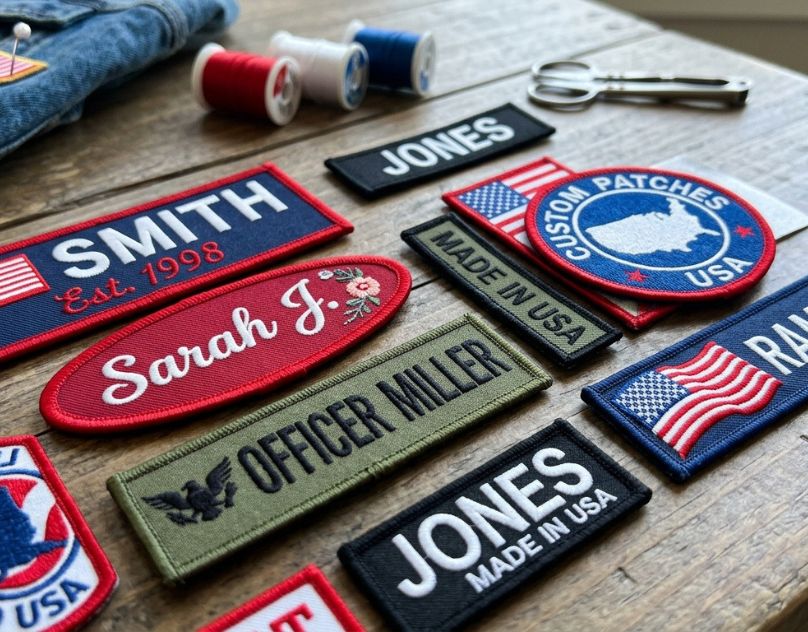
Embroidered patches use stitched thread patterns to create raised designs and textured logos. This patch category remains common in schools, restaurants, law enforcement departments, and fashion brands.
Embroidered patches contain:
- Polyester thread
- Twill fabric
- Merrow borders
- Heat-cut edges
Examples include scout badges, varsity patches, and employee name patches.
Fashion companies apply embroidered logo patches to hoodies, bomber jackets, and denim garments because textured stitching increases visual depth.
PVC Patches Resist Water and Outdoor Exposure
PVC patches maintain shape and color during outdoor usage. Tactical teams, military suppliers, and outdoor brands use polyvinyl chloride material because rubber surfaces resist abrasion and moisture.
PVC patches support:
- Tactical identification
- Outdoor branding
- Equipment labeling
- Utility organization
Examples include flag patches, airsoft patches, and camping gear emblems.
A 2025 tactical gear report stated that PVC morale patch sales increased by 37% across North American e-commerce stores.
Woven Patches Display Detailed Artwork Clearly
Woven patches produce sharper detail than embroidered patches on small text and thin lines. Clothing labels and fashion brands use woven designs for compact artwork and typography-heavy logos.
Woven patch applications include:
- Streetwear labels
- Hat branding
- Backpack logos
- Fashion accessories
Examples include woven hem tags, logo tabs, and designer apparel labels.
Velcro Patches Support Fast Replacement
Velcro patches attach and detach through hook-and-loop backing systems. Police departments, security companies, and tactical units use removable patches for operational flexibility.
Hook-and-loop backing supports:
- Uniform replacement
- Department switching
- Event customization
- Tactical organization
Examples include SWAT patches, medic identifiers, and security insignia.
Custom Patches Strengthen Uniform Recognition
Uniform patches increase employee identification accuracy. Delivery companies, hospitals, hotels, and emergency response units apply branded patches to improve staff recognition.
Uniform patch categories include:
- Name patches
- Rank patches
- Department patches
- Flag patches
Examples include firefighter badges, EMT insignia, and hotel service logos.
A workplace branding study from 2024 reported that 71% of customers recognized employees faster when visible embroidered branding appeared on uniforms.
Patch Backing Types Affect Attachment Strength
Patch backing materials determine application durability and garment compatibility. Different industries use different backing systems based on washing frequency and fabric type.
Sew-On Backing
Sew-on backing creates permanent attachment for heavy-use garments. Construction uniforms and biker jackets commonly use stitched installation.
Iron-On Backing
Iron-on backing activates through heat pressure. Schools and promotional campaigns use iron-on application for fast placement.
Adhesive Backing
Adhesive backing supports temporary use during short-term events. Trade shows and promotional campaigns apply peel-and-stick patches to merchandise.
Velcro Backing
Velcro backing supports removable identification systems. Tactical and law enforcement sectors use hook-and-loop structures for flexibility.
Custom Patch Manufacturing Follows a Structured Process
Patch production includes artwork preparation, digitizing, embroidery, cutting, and quality inspection. Industrial embroidery systems convert digital artwork into machine-readable stitch files.
Professional production stages include:
- Artwork conversion
- Thread mapping
- Fabric placement
- Machine embroidery
- Border finishing
- Final inspection
Factories producing premium custom patches use:
- Colorfast thread
- Polyester twill
- Laser cutting
- High-density stitching
Examples include merrow-bordered patches, die-cut patches, and chenille patches.
Patch Design Affects Readability and Stitch Precision
Simple patch designs improve visibility and embroidery accuracy. High-density artwork and thin typography reduce stitch clarity on small patches.
Effective patch layouts include:
- Bold lettering
- Thick outlines
- Balanced spacing
- Limited color palettes
Examples include monochrome tactical patches, black-and-gold biker patches, and red-and-white emergency service patches.
Custom Patches Support Fashion and Streetwear Markets
Streetwear brands use custom patches to increase product uniqueness and garment identity. Fashion companies integrate embroidered labels, woven logos, and chenille patches into jackets, hoodies, and cargo apparel.
Popular fashion patch styles include:
- Vintage patches
- Gothic patches
- Varsity patches
- Anime patches
Examples include oversized jacket patches, retro racing patches, and designer sleeve emblems.
Fashion-focused patches also increase collectible product demand in limited-edition apparel releases.
Motorcycle Clubs Use Large Embroidered Back Patches
Motorcycle clubs use structured patch systems for membership identification. Traditional biker patch layouts include a center logo, top rocker, and bottom rocker.
Motorcycle vest patches often include:
- Club names
- Territory labels
- Member ranks
- Memorial symbols
Examples include MC patches, riding club patches, and anniversary patches.
Heavy twill fabric and reinforced stitching improve patch durability during outdoor riding conditions.
Sports Teams and Schools Use Team Identification Patches
Sports organizations apply patches for team identity and achievement recognition. Schools and athletic programs use chenille patches, embroidered logos, and varsity letters on uniforms and jackets.
Common educational patch uses include:
- Academic badges
- Club insignia
- Athletic logos
- Achievement awards
Examples include baseball team patches, football jacket patches, and scouting emblems.
Tactical Industries Depend on Morale and Identification Patches
Tactical patches provide unit identification and operational labeling. Military suppliers, police departments, and airsoft teams use removable insignia systems for field operations.
Popular tactical patch categories include:
- Blood type patches
- Flag patches
- Medic patches
- Unit identifiers
Examples include infrared reflective patches, subdued flag patches, and SWAT insignia.
Allembroidered Maintains Long-Term Patch Manufacturing Experience
Allembroidered has produced custom-manufactured products since 2007. The company delivers embroidered patches, woven labels, keychains, scout neckerchiefs, and promotional stickers to international clients.
Manufacturing operations include:
- Digital embroidery
- Laser cutting
- Color matching
- Quality inspection
The company supplies products for:
- Retail brands
- Security firms
- Motorcycle clubs
- Event organizations
Testimonials Confirm Product Quality and Service Accuracy
Testimonial From a Security Company
“Custom uniform patches arrived with sharp embroidery and accurate logo colors. The velcro backing maintained grip after repeated use.”
Testimonial From a Motorcycle Club
“Large biker patches included dense stitching and clean merrow borders. The patch structure remained stable during outdoor riding.”
Testimonial From a Clothing Brand
“Woven labels and embroidered logo patches matched apparel measurements exactly. Production quality remained consistent across 500 units.”
Custom Patches Support Promotional Merchandise and Event Branding
Event organizers use patches for merchandise sales and attendee identification. Music festivals, automotive events, and gaming conventions distribute collectible embroidered patches during product launches and sponsorship campaigns.
Promotional patch products include:
- Limited-edition patches
- Brand collaboration patches
- Event souvenir patches
- Sponsor logo patches
Examples include esports patches, comic convention badges, and racing event emblems.
FAQ Section
What are custom patches?
Custom patches are fabric or PVC-based emblems containing logos, text, symbols, or artwork. Businesses, clubs, schools, and fashion brands attach them to uniforms and apparel.
How do embroidered patches work?
Embroidered patches use stitched thread patterns to create raised designs. Industrial embroidery machines apply thread onto twill or felt fabric surfaces.
Why do businesses use custom patches?
Businesses use patches to improve employee identification and brand visibility. Uniform-based industries apply logo patches to shirts, jackets, and bags.
What backing types exist for custom patches?
Custom patches include sew-on, iron-on, adhesive, and velcro backing types. Different backing systems support different garment applications.
How long do embroidered patches last?
High-density embroidered patches maintain structure for multiple years. Polyester thread and reinforced borders improve durability during washing and outdoor exposure.
What industries use custom patches?
Fashion, hospitality, logistics, law enforcement, sports, and motorcycle industries use custom patches regularly. Examples include biker clubs, security firms, and streetwear brands.
Why do tactical teams use velcro patches?
Velcro patches support fast removal and replacement during operational changes. Tactical uniforms often require interchangeable identification systems.
How does patch manufacturing start?
Patch manufacturing begins with artwork digitization and thread mapping. Production continues through embroidery, cutting, backing attachment, and inspection stages.