How to Start a Dairy Farm: A Practical Guide to Profitable Small-Scale Dairy
-

- May 10th, 2026
- 456 views

Get a free topical map and start building content authority today.
Starting a small dairy operation requires clear planning, realistic financials, and sound animal-management practices. This guide explains how to start a dairy farm with practical steps, a DAIRY START checklist, and real-world budgeting pointers for beginners aiming for profitability.
- Detected intent: Informational
- Primary focus: how to start a dairy farm — practical setup, economics, and first-year checklist
- Includes: DAIRY START checklist, example 25-cow scenario, 4 actionable tips, and common mistakes
How to start a dairy farm: an overview of the essential steps
Begin by sizing the operation to local demand, regulations, and available capital. Key early decisions include herd size, breed choice, housing system (pasture-based vs. freestall/TMR), and milk marketing (direct to processor, cooperative, or direct-to-consumer). Early planning reduces risk and shortens the path to small dairy farm profitability.
DAIRY START checklist — a practical framework for beginners
Use the DAIRY START checklist as a compact framework to organize planning and execution.
- Decide scale: target herd size, daily milk volume, and staffing needs.
- Acquire land & permits: zoning, water rights, manure rules, and building approvals.
- Identify breed & genetics: match breed to climate, feed availability, and milk goals.
- Resources & infrastructure: housing, milking system, bulk tank, feed storage, and manure handling.
- Yield targets: set realistic milk yield and feed conversion targets per cow.
- System choice: choose pasture-based, mixed, or confinement and plan feed strategy (TMR vs pasture).
- Training & staffing: operator training, milking routine, and on-call vet contacts.
- Animal health plan: vaccinations, mastitis control, and reproductive program (AI).
- Recordkeeping: set up farm accounting and production records (milk yield, SCC, feed costs).
- Traceability & compliance: meet food safety, milk testing, and transport requirements.
Finances and profitability: realistic budgeting for new dairy farms
Project capital and operating costs before buying stock or building facilities. Typical cost categories include land, buildings, milking equipment, calves/stock, feed, labor, veterinary care, utilities, and marketing. Cash flow matters: milk payments can vary with butterfat, protein, and somatic cell count, and processing/cooperative terms affect net revenue. A clear break-even milk price and payback timeline are essential to evaluate small dairy farm profitability.
Example scenario: 25-cow starter farm
Example: a 25-cow farm with average yield of 18 liters (approx. 4.8 gallons) per cow per day can produce ~450 liters/day. If milk price is set by a local processor at X per liter and feed costs are budgeted at Y per lactation, break-even analysis should include replacement heifer costs and seasonal feed purchases. In many regions, small herds become cash-flow positive within 2–4 years when managed for efficiency, tight herd health control, and reliable milk contracts.
Practical setup: buildings, equipment, and herd selection
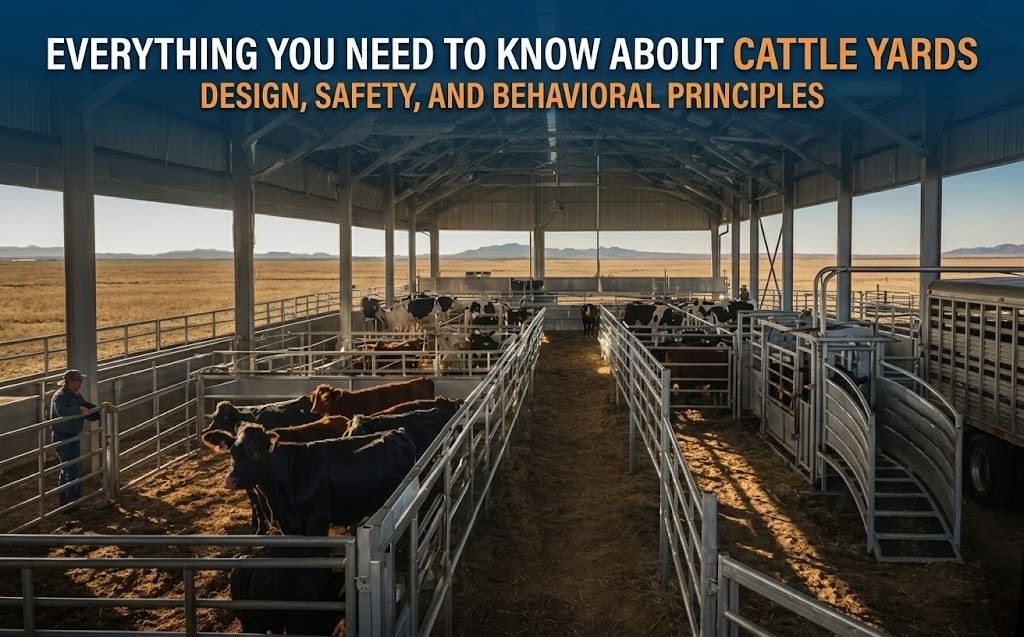
Infrastructure must match the chosen system. Pasture-based setups require fencing and water points; confinement systems need freestalls, concrete lanes, and a milking parlor or rotary/tie-stall system. Prioritize animal comfort, ventilation, and ease of cleaning to minimize mastitis and lameness.
Breed and genetics
Breed choice affects milk volume, component levels (fat and protein), and feed efficiency. Holstein, Jersey, and crossbreeds are common; select genetics aligned with local feed resources and milk-payment structures.
Milk handling and food-safety compliance
Install a properly sized bulk tank and chilling system. Follow local pasteurization and transport rules for on-farm sales. Maintain records required by food-safety authorities and testing bodies.
Management systems and day-to-day operations
Consistent routines deliver reliable yields. Daily tasks include milking, feed delivery, cow comfort checks, and cleanings. Implement herd health protocols (vaccinations, parasite control) and a reproductive program using reliable heat-detection and breeding methods.
Recordkeeping and metrics to track
- Milk production per cow and per herd
- Somatic Cell Count (SCC) and mastitis incidence
- Feed cost per liter/kg of milk
- Replacement rate and calving intervals
- Labor hours per liter of milk
Practical tips for beginners
- Start small: scale up after one lactation cycle and once cash flow and milk contracts are in place.
- Focus on herd health: a low-cost vet and strict mastitis control save more than many equipment upgrades.
- Negotiate milk contracts ahead of production to avoid price volatility and ensure processing capacity.
- Build contingency cash reserves for feed price spikes and seasonal shortages.
Common mistakes and trade-offs
Common mistakes include over-expansion before stable cash flow, underestimating feed costs, and neglecting recordkeeping. Trade-offs must be accepted: high-tech milking systems reduce labor but increase capital and maintenance demands; pasture systems lower feed bills but may reduce per-cow yields and require seasonal management of forage.
Trade-offs to consider
- Capital vs operating cost: automated parlors cut labor but raise debt service.
- Yield vs resilience: high-yield breeds may need more intensive feed and management.
- Direct sales vs wholesale: direct-to-consumer increases margin but adds time and regulatory complexity.
Where to get reliable guidance
Consult national agricultural extension services, accredited veterinarians, and dairy cooperatives for region-specific rules and best practice guidance. For global best-practice overviews, see the Food and Agriculture Organization guidance on dairy production and systems: FAO — Dairy production.
Core cluster questions
- What are the initial capital costs to start a small dairy farm?
- How to size a dairy herd for a family farm?
- What feed strategies improve feed conversion and reduce costs?
- Which herd-health metrics predict profitability in dairy herds?
- How to market milk locally and negotiate with processors?
Frequently asked questions
How to start a dairy farm with limited capital?
Start with a smaller herd (10–30 cows), use existing buildings where possible, and choose a low-capital milking system such as low-cost pipeline parlors or cooperative milking facilities. Reduce initial risk by securing a milk-buying agreement and using leased land or phased investment in infrastructure. Prioritize herd health, which protects income without large capital outlays.
How many cows does a beginner dairy farmer need?
Herd size should reflect demand, labor capacity, and cash flow. A 20–50 cow herd is a common entry-level size that balances manageability and economic scale in many regions. Smaller herds are viable for direct-to-consumer sales; larger herds require more complex management.
What are common health problems and how can they be prevented?
Common issues include mastitis, lameness, and reproductive failure. Prevention focuses on clean housing, consistent milking procedures, regular hoof care, vaccination programs, and rapid treatment protocols. Routine monitoring of somatic cell counts and veterinary oversight reduces long-term losses.
What is a realistic timeline to profitability for a new dairy farm?
Profitability timelines vary. Small operations often reach positive cash flow in 1–3 years if milk contracts, feed supply, and herd health are well managed. Capital recovery may take longer depending on debt and reinvestment choices.
How should production records be organized?
Track individual cow IDs, calving dates, milk yields, SCC, treatments, breeding dates, and feed costs. Use simple digital spreadsheets or farm-management software to generate monthly production and cost reports that inform decisions.